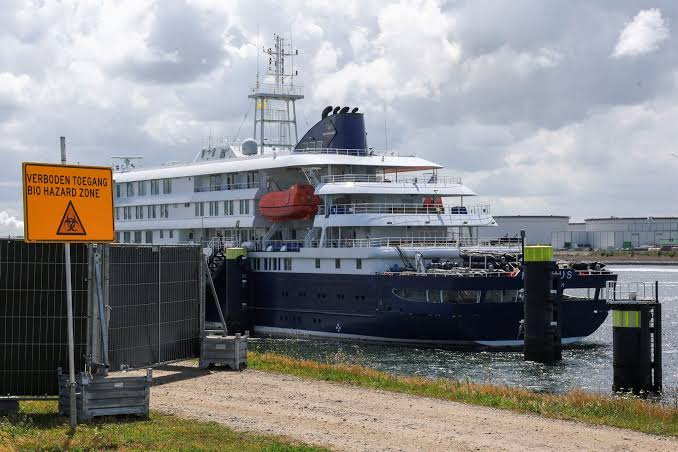
The World Health Organization has officially declared an end to the hantavirus outbreak linked to international cruise liners, bringing relief to passengers, crew members and the wider summer travel industry that spent months under a cloud of concern. The announcement closes a frightening chapter in which a rare virus, once associated more often with rodent exposure on land, became part of the global conversation about cruise safety, sanitation and public confidence.
Why the declaration matters
An outbreak ending is more than a bureaucratic milestone. For travelers, it is a signal that the immediate danger has passed and that health authorities believe the chain of transmission has been contained. For the cruise industry, it is a chance to begin repairing trust after a high profile health scare that threatened bookings during one of the busiest travel periods of the year. The WHO decision carries weight because it reflects not just the passage of time, but an assessment that surveillance, testing and preventive measures have done their job.
The relief is especially meaningful because cruise vacations depend so heavily on confidence. Families board these ships expecting an enclosed environment designed for comfort, leisure and predictability. When a public health threat emerges on such a vessel, the impact reaches far beyond those who fell ill. It touches future travelers, port authorities, tour operators and the many workers whose livelihoods depend on a steady flow of passengers during peak season.
How the outbreak became a travel concern
The outbreak drew international attention because cruise liners move people across borders quickly and continuously. A health event on one ship can raise questions for several ports, multiple countries and every company connected to the voyage. That is why even a rare illness like hantavirus can ripple through the travel market so fast once it is linked to a fleet of vessels operating across popular summer routes.
Hantavirus is not commonly associated with cruise travel, which made the outbreak all the more unsettling. The virus is typically linked to exposure to infected rodents or contaminated environments, so a maritime cluster prompted intense scrutiny of sanitation systems, waste handling procedures and possible points of exposure before departure or during port calls. The uncertainty itself became part of the problem, because travelers were being asked to assess risks that did not feel familiar or easy to judge.
What the WHO decision signals
The World Health Organization’s declaration means the outbreak is considered over based on the available epidemiological evidence. In public health terms, that usually reflects a sustained period without new cases and a belief that active transmission has stopped. For cruise operators and national health agencies, it is the point at which emergency response gives way to longer term review.
That review will matter. Health officials will still want to know how the outbreak started, where controls failed and whether any shipboard or port based procedures need to change. The end of an outbreak is not the end of learning. It is often the beginning of a more detailed effort to understand whether the response was adequate and what could be improved before the next peak travel season begins.
Travel industry relief and caution
For the travel sector, the timing could not be better. Peak summer months are crucial for cruise bookings, and a lingering virus scare can quickly depress sales even when the actual risk is under control. The WHO announcement should help restore some confidence among passengers who may have hesitated to book or who delayed decisions while waiting for clearer guidance.
Still, the industry is unlikely to treat this as a simple return to normal. Cruise lines are expected to continue reinforcing sanitation protocols, onboard cleaning schedules and health screening practices, at least until public memory of the outbreak begins to fade. That caution is understandable. In travel, perception can be nearly as important as the facts, and one widely reported illness cluster can alter behavior for months.
What passengers should remember
Most travelers will want practical reassurance more than technical detail. The key takeaway is that the outbreak has ended, but general hygiene remains essential on any cruise or shared travel environment. Passengers should continue to wash hands frequently, follow onboard health advisories and report symptoms early if they feel unwell during or after travel. That is standard advice for crowded spaces, not a sign that danger remains unusually high.
People planning future cruises should also pay attention to how companies communicate during health events. Transparent reporting, prompt sanitation measures and clear instructions for guests are the hallmarks of a responsible operator. After this outbreak, those practices will likely be scrutinized more closely by consumers who now know how quickly a shipboard illness can become an international story.
Public health lessons
This episode offers a broader lesson about the fragility of health confidence in interconnected travel networks. Modern tourism depends on the ability of operators, ports and public health agencies to respond quickly when unusual infections appear. The faster the response, the greater the chance of limiting spread and preserving trust. When that system works, outbreaks can be contained before they upend an entire season.
It also shows why international health coordination matters so much. Ships do not remain in one country for long, and neither do the people aboard them. A problem that begins on one deck can reach several jurisdictions within days. The WHO declaration underscores the value of cross border cooperation in tracking cases, sharing data and deciding when the danger has truly passed.
What comes next
The focus now shifts to investigation and recovery. Cruise companies will want to reassure passengers, employees and investors that lessons have been learned and that any gaps in shipboard safety have been addressed. Health officials may publish recommendations or review findings that influence how vessels prepare for future outbreaks, especially during busy travel periods when hundreds or thousands of passengers are moving through close quarters.
For travelers, the broader message is encouraging. The outbreak is over, and the systems designed to detect and contain it appear to have worked. That will not erase the disruption or concern it caused, but it should help the cruise industry move forward with greater caution and stronger public health awareness as summer travel continues.