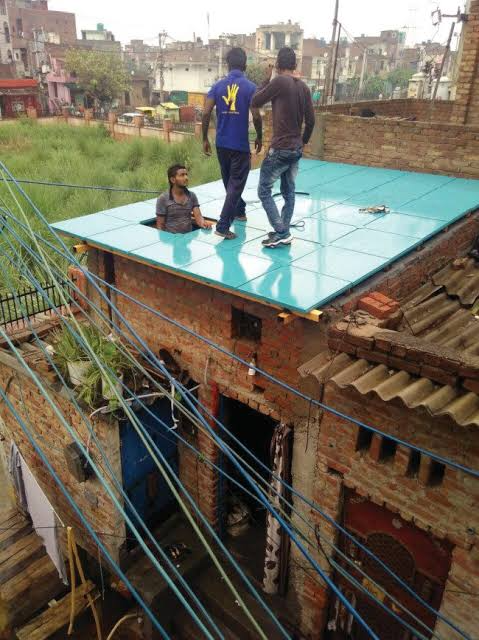
As record summer heat drives emergency declarations across Europe and North America, the quiet world of roofs, attics, and wall cavities has suddenly become a frontline in climate adaptation. On July 2, 2026, urban planning groups and home improvement networks began accelerating new standards for extreme heat ready roofing and insulation, a shift that could change how millions of homes hold back blistering afternoon temperatures and punishing overnight heat.
[who](https://www.who.int/europe/news/item/02-06-2026-strengthening-heat-health-action-plans-to-protect-public-health–with-who-guidance)
Why the housing sector is reacting now
The urgency comes from conditions that are no longer being treated as exceptional. WHO Europe has warned that heat health action plans are essential tools for preparing for and responding to extreme heat, and its updated guidance includes heat warning systems, risk communication, and reducing heat exposure as core elements of public protection. In parallel, recent heat waves across Europe and the United States have intensified pressure on cities to address the built environment as part of public safety, not just energy policy.
[who](https://www.who.int/europe/publications/i/item/9789289062930)
For homeowners, the shift is practical before it is ideological. A hot roof can act like a skillet, radiating heat into bedrooms, hallways, and top floor apartments long after sunset. Better insulation, reflective roofing, and tighter building envelopes can slow that heat gain and reduce dependence on air conditioning, which matters when electricity demand surges and cooling bills climb.
[energy](https://www.energy.gov/energysaver/cool-roofs)
What eco smart retrofitting means
Eco smart retrofitting refers to targeted upgrades that make older homes more resistant to overheating without requiring a full rebuild. The most common measures include cool roof coatings, high solar reflectance roofing materials, attic insulation, wall insulation, better ventilation, and shading solutions. The Department of Energy describes cool roofs as surfaces designed to reflect more sunlight and absorb less heat, which can reduce cooling loads and improve overall efficiency.
[energy](https://www.energy.gov/energysaver/cool-roofs)
That logic is now being applied more aggressively to older housing stock, especially in dense urban neighborhoods where concrete, asphalt, and dark roofing materials magnify the urban heat island effect. Public agencies have long recognized that lighter roof surfaces and better insulation can cut indoor temperatures and cooling costs, but the latest emergency conditions are speeding up adoption and tightening performance expectations.
[id.energy](https://id.energy.gov/Home/DownloadNewsFile/364)
New standards under pressure
The emerging standards are being shaped by two realities. First, cities need retrofit measures that can be installed quickly across a broad range of housing types. Second, public agencies want technical rules that deliver measurable gains rather than symbolic action. That is why recent policy work has focused on roof surface reflectance, insulation thickness, installation quality, and maintenance requirements, not just broad climate goals.
[cms.tn.gov](https://cms.tn.gov.in/cms_migrated/document/press_release/pr050626_e_183.pdf)
Some governments have already started to formalize those ideas. A recent Tamil Nadu cool roof implementation framework, for example, set out a standardized approach for roof assessment, coating application, quality control, and maintenance in homes, schools, and public buildings. It also reported that cooler roof surfaces can reduce roof temperatures by 6 to 8 degrees Celsius and indoor temperatures by 4 to 5 degrees Celsius under extreme heat conditions.
[cms.tn.gov](https://cms.tn.gov.in/cms_migrated/document/press_release/pr050626_e_183.pdf)
The practical upgrade list
For most households, the first wave of retrofits will likely include a short list of high impact actions: reflective roof coatings, attic insulation, sealing air leaks, replacing aging roof layers, and adding ventilation where needed. These changes are relatively familiar to contractors, but the new standards are placing greater emphasis on climate performance in hot weather rather than only winter energy savings.
[energy](https://www.energy.gov/energysaver/insulation-new-home-construction)
That matters because many homes were originally designed to retain heat, not reject it. In regions now facing longer heat seasons, the same construction choices that once made sense are becoming liabilities. Stronger insulation can still help in summer because it slows the movement of outdoor heat into occupied rooms, especially when paired with shading and a roof surface that reflects sunlight.
[energy](https://www.energy.gov/energysaver/insulation-new-home-construction)
What homeowners should know
Homeowners are likely to hear more about roof color, insulation ratings, and attic sealing in the months ahead. Yet the smartest retrofit is rarely a single product. A cool roof works best when the attic is properly insulated, vents are unobstructed, and hot air has a way to escape. Otherwise, heat can still build in enclosed spaces and reduce the benefit of the upgrade.
[id.energy](https://id.energy.gov/Home/DownloadNewsFile/364)
Cost will remain a central issue. Not every family can immediately afford a full deep retrofit, and that is why many public programs are now prioritizing low cost measures with fast payback periods. In practical terms, that means layered upgrades staged over time, starting with the roof and attic before moving to windows, doors, and more extensive wall work.
[phni.co](https://phni.co.uk/heating-ventilation/new-retrofit-grant-national-residential-retrofit-plan-2026/)
Why cities are involved
Urban planners are treating this as a neighborhood scale problem, not only a private household one. When many buildings in the same district absorb heat all day, streets stay warmer at night, sidewalks radiate heat back into apartments, and vulnerable residents face higher risk. WHO guidance on heat health action plans makes clear that local governments need coordinated systems for warning, response, and protection of high risk groups.
[who](https://www.who.int/europe/news/item/02-06-2026-strengthening-heat-health-action-plans-to-protect-public-health–with-who-guidance)
That is why city agencies are increasingly interested in roof standards alongside shaded corridors, cooling centers, tree planting, and emergency communication plans. Retrofitting homes is one way to lower indoor danger, but it also helps reduce grid strain and peak demand during the hottest hours. In that sense, building adaptation is becoming part of public infrastructure, much like transit or drainage.
[who](https://www.who.int/europe/news/item/02-06-2026-strengthening-heat-health-action-plans-to-protect-public-health–with-who-guidance)
The market response
The construction and home improvement sectors are moving quickly because they can see the demand curve. Roofers, insulation installers, and product manufacturers are preparing for more specifications tied to heat resilience, including reflective membranes and high performance insulation products. Market research on high temperature insulation already points to strong retrofit demand, particularly in North America, where heat related building upgrades are gaining urgency.
[polarismarketresearch](https://www.polarismarketresearch.com/industry-analysis/global-high-temperature-insulation-market)
At the same time, product standards are likely to become more technical and more regional. What works in a humid coastal city may not be suitable for a dry inland climate, and what suits a single family home may not translate directly to mid rise apartments. Contractors will need better training, and homeowners will need clearer guidance to avoid low quality installations that underperform when temperatures spike.
[roofvista](https://roofvista.com/resources/guides/california-title-24-2025-cool-roof-update-2026)
The health case is hard to ignore
The public health dimension is impossible to separate from the housing debate. WHO Europe has stressed that heat can be deadly and that local warning systems, communication, and preparedness measures are part of a serious response. When temperatures remain high overnight, homes that trap heat can become dangerous even after sunset, especially for older adults, children, and people with chronic illness.
[who](https://www.who.int/europe/publications/i/item/9789289062930)
I have spoken with residents in overheated apartments who describe sleepless nights, fans pushing warm air in circles, and walls that seem to hold the day’s heat like a battery. That lived experience is now being translated into policy. The new retrofit standards are not just about saving energy or reducing emissions. They are about keeping people physically safe inside their own homes.
[getweathercompare](https://getweathercompare.com/articles/europe-us-heatwave-2026-travelers-guide)
Where the policy goes next
The next phase will likely bring more grants, clearer building codes, and tougher expectations for new construction and renovation. Governments are already refining cool roof rules and insulation targets, and emergency heat conditions will probably accelerate those efforts. In many places, the question will no longer be whether to retrofit for heat, but how quickly the housing stock can be brought up to a safer standard.
[gov](https://www.gov.uk/government/publications/warm-homes-plan/warm-homes-plan-html)
For families, that means a new checklist for summer readiness. Inspect the roof, evaluate attic insulation, seal leaks, ask contractors about reflective materials, and look for local rebates or retrofit programs. The goal is not perfection in one project. It is to reduce indoor heat risk step by step before the next emergency arrives.
[gov](https://www.gov.uk/government/publications/warm-homes-plan/warm-homes-plan-html)
For readers seeking authoritative guidance, the WHO’s Heat Health Action Plans guidance and the U.S. Department of Energy’s cool roof resource offer practical starting points on heat protection and home cooling strategy.
[energy](https://www.energy.gov/energysaver/cool-roofs)