The World Health Organization has issued an urgent warning that major cholera outbreaks in isolated conflict zones are doing more than sickening already vulnerable communities. They are now disrupting farming, slowing trade routes, and making it harder for food to move from fields to markets at a time when millions of people are already living under strain. The report places public health and food security in the same frame, showing how quickly a disease emergency can become a broader humanitarian and economic crisis.
How the outbreak is spreading its impact
Cholera thrives where clean water, sanitation, and stable health systems break down, which is why war zones are especially dangerous environments for the disease. In isolated conflict areas, roads are damaged, health clinics are understaffed, and families often struggle to reach safe water. Once an outbreak takes hold, the consequences go beyond the hospital ward. Farmers may be unable to bring crops to market, truck routes may be delayed or abandoned, and local traders may stop moving goods altogether because of insecurity or fear of infection.
That chain reaction is what makes the WHO warning so alarming. A cholera epidemic in one district can quickly choke off the movement of vegetables, grain, livestock feed, and fuel. When supply chains are interrupted, prices rise and diets narrow. The people hit hardest are often the same families already facing displacement, loss of income, and rising hunger.
Food systems under pressure
Food supply chains in conflict settings are fragile even before disease appears. Farmers may plant less because they cannot access seed, irrigation, or labor. Markets may operate only intermittently. Transporters may avoid dangerous roads. When cholera enters that environment, every weak point becomes more severe. Contamination fears can shut down food handling sites, and local authorities may impose restrictions that slow commerce even further.
The result is a layered emergency. Illness reduces the number of healthy workers available for planting, harvesting, packing, and transport. At the same time, buyers may avoid crowded markets and traders may lose confidence in the safety of products moving through affected areas. What looks like a health crisis at first glance becomes a problem for entire regional food economies.
Why isolated conflict zones are so vulnerable
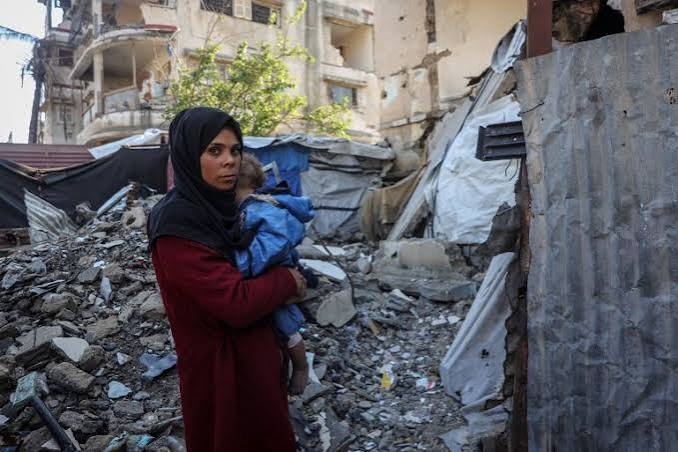
Conflict zones are especially exposed because public services often collapse in stages. Water systems may stop functioning after fighting damages pumping stations or electricity lines. Sanitation infrastructure may be neglected or destroyed. Health workers may flee, and surveillance systems can disappear just when they are needed most. In those conditions, cholera can spread quickly and quietly before any response gains traction.
Isolation makes the problem worse. Where access routes are blocked, humanitarian teams struggle to deliver oral rehydration supplies, water treatment products, and diagnostic support. Food relief can also be delayed. Even when aid is available, it may not reach communities at the speed required to prevent deeper malnutrition. That is why the WHO report is not just a public health bulletin. It is also a warning about the collapse of basic logistics in places already under extreme stress.
What cholera does to daily life
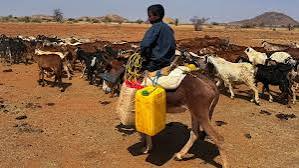
For families living through this, the crisis is intensely personal. A parent may spend hours walking to find safe water, then return to a home where food prices have jumped again. A farmer may watch crops mature in the field but have no safe route to market. A trader may lose an entire day of income because transport has stopped or roads have become too risky to use. These are not abstract economic losses. They are the small, grinding disruptions that determine whether children eat enough and whether households can keep going.
The emotional toll is equally heavy. Communities living under bombardment or siege already carry fear, grief, and uncertainty. Cholera adds another layer of anxiety because it is fast, debilitating, and often associated with unsafe water and failed services. Families may begin avoiding markets, gatherings, and even shared wells, which can further fracture social and economic life.
What the WHO warning means for aid planning
The report is likely to push aid agencies and governments to coordinate more closely across health, food, water, and logistics sectors. In practice, that means cholera response cannot be separated from support for agriculture and trade. Water treatment, sanitation repairs, health surveillance, and rapid treatment access are essential, but so are market reopening plans, farm access corridors, and transport support for food movement.
That integrated approach matters because disease control alone will not restore food security. Communities need reliable roads, functioning marketplaces, and safe handling systems if they are going to recover economically. Humanitarian planners will need to think in terms of entire systems rather than single interventions. A cholera outbreak can no longer be treated as a contained medical event when it is visibly distorting food availability and trade flows.
Why this matters beyond the war zones
Even people far from the affected regions have a stake in what happens next. When agricultural supply chains are disrupted in one place, price pressures can travel outward, especially for commodities that move through regional trade networks. If conflict and cholera damage production for long enough, import dependent countries may feel the strain through higher prices, lower availability, or more volatile markets. That means this is not only a humanitarian issue. It is also a warning about the fragility of global food systems.
The report also highlights a broader lesson about preparedness. Public health emergencies are often discussed separately from food security, but in reality they are deeply connected. Safe water protects health. Stable transport supports markets. Reliable markets protect nutrition. Once one of those links breaks in a conflict setting, the rest can quickly come under pressure.
What to watch next
In the coming weeks, the key signals will be whether agencies can restore water access, deliver treatment supplies, and keep food corridors open despite insecurity. Watch for emergency water and sanitation operations, public health surveillance updates, and any attempts to reopen market routes or protect agricultural transport. Those steps will tell us whether the response is beginning to slow the spread of disease and reduce the economic damage.
For readers seeking reliable background on cholera and emergency response, the World Health Organization cholera fact sheet and the World Food Programme emergency response resources provide authoritative guidance on the disease and the food security consequences of crises like this.