Uganda confirmed cases of the deadly Marburg virus on July 3 2026 even as the country continues to manage an ongoing Ebola epidemic a dual crisis that has prompted legal and public health authorities to issue urgent international border protocols and heighten screening at ports of entry. The announcement marks a critical moment for East Africa as officials work to contain two filovirus outbreaks at once and reassure travelers that the risk of spread beyond affected regions remains low when standard precautions are followed.
What the confirmation means for Uganda and the region
Marburg virus disease is a rare but severe hemorrhagic fever with symptoms that overlap with Ebola including sudden fever intense fatigue muscle pain and in advanced cases bleeding and organ failure. The confirmation does not mean widespread community transmission is underway but it does signal that health workers have identified laboratory verified cases and activated response teams to trace contacts isolate patients and monitor high risk exposures. The timing is significant because it comes while Uganda is already managing Ebola cases which stretches resources and requires careful coordination to avoid confusion in messaging.
For residents the priority is to follow official guidance on symptoms testing and when to seek care. For neighbors and trading partners the focus is on border health measures that can detect sick travelers early without disrupting essential movement of goods and services. The World Health Organization has been in close contact with Ugandan authorities to support surveillance laboratory capacity and risk communication so that communities receive accurate information and feel empowered to report symptoms without fear or stigma.
How Marburg spreads and how it differs from Ebola
Both Marburg and Ebola belong to the filovirus family and share similar routes of transmission. Infection occurs through direct contact with the blood or body fluids of a symptomatic person or with contaminated surfaces and materials such as bedding or medical equipment. The viruses do not spread through casual contact or through the air like influenza which means that routine interactions in public spaces carry very low risk when basic hygiene is practiced.
A key difference lies in the natural reservoir and historical patterns. Marburg is associated with fruit bats and has caused sporadic outbreaks in several countries over the years while Ebola has produced larger clusters in parts of Central and West Africa. Clinically the illnesses are hard to distinguish without laboratory tests which is why Uganda s ability to run rapid PCR assays and share results with regional partners is crucial for targeting the right response measures and avoiding unnecessary panic.
Border protocols and travel advisories in plain language
The new border protocols focus on health declaration forms temperature checks and targeted screening of travelers who report symptoms or known exposure. At major airports and land crossings health workers are stationed to ask brief questions about recent travel within affected districts and to provide guidance on what to do if someone feels ill after arrival. The goal is to catch potential cases early so that they can be isolated and tested while minimizing disruption for the majority of passengers who are healthy.
Travelers should expect to see enhanced signage and staff in protective gear at screening points and may be asked to provide contact information for follow up if they visited high risk areas. These measures are standard during filovirus outbreaks and are designed to be proportionate to the risk. Most passengers will pass through with minimal delay but those who indicate symptoms such as fever vomiting or unexplained bleeding will be directed to a separate area for assessment and possible referral to a designated treatment facility.
What residents and travelers should do right now
The most effective actions are simple and within reach for almost everyone. Wash hands frequently with soap and water or use an alcohol based sanitizer especially after visiting crowded places or caring for someone who is sick. Avoid contact with blood or body fluids of anyone who is ill and do not handle items that may be contaminated such as used needles or soiled linens. If you develop sudden fever severe headache or muscle pain after visiting an affected area seek medical attention promptly and inform the provider about your travel history so they can take appropriate precautions.
For travelers planning trips to Uganda or neighboring countries the advice is to monitor official updates and follow any entry requirements such as health declarations or proof of vaccination where applicable. Commercial flights and major transport routes remain operational but schedules can change if local conditions evolve. Consider purchasing travel insurance that covers medical evacuation and keep a copy of your itinerary and emergency contacts in case you need assistance while abroad.
Practical checklist for families and businesses
- Keep a supply of soap hand sanitizer and basic disinfectant at home and in workplaces
- Teach children and staff to cover coughs and sneezes and to avoid touching the face with unwashed hands
- Set up a plan for who to call if someone becomes ill including a designated clinic or hospital
- Verify that your passport and travel documents are current and that you have access to emergency contacts
Businesses that rely on cross border trade should communicate with logistics partners about any new health checks and build in extra time for shipments to clear border posts. Small adjustments such as staggered shifts and remote options for administrative staff can reduce crowding in offices and lower the risk of secondary transmission if a case is identified in the workplace.
How Uganda is coordinating the dual outbreak response
Managing two filovirus outbreaks at once requires clear command structures and dedicated teams for each disease so that contact tracing and isolation protocols do not get mixed. Uganda has activated emergency operations centers that bring together epidemiologists laboratory specialists clinicians and community leaders to share data and make rapid decisions. The strategy includes ring vaccination where approved vaccines exist targeted testing of contacts and public messaging that explains what is known and what is still being investigated.
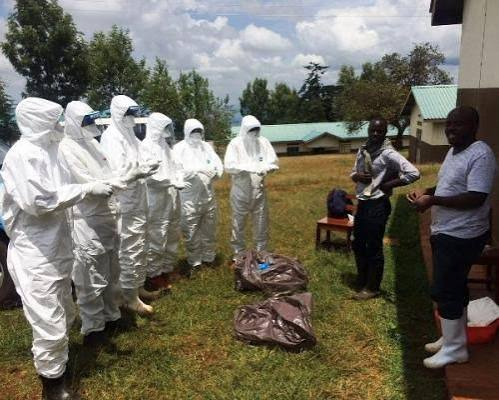
Health workers are receiving refresher training on infection prevention and proper use of personal protective equipment to reduce the risk of nosocomial transmission in clinics and hospitals. Community engagement is a central pillar because early reporting of symptoms and cooperation with contact tracers can stop chains of transmission before they grow. Local radio and social media channels are being used to share updates in multiple languages so that information reaches rural areas where access to digital platforms may be limited.
Risk assessment and what the data suggests so far
Early data from the confirmed Marburg cases indicate that the number of patients is small and that contacts are being monitored closely. The fatality rate for Marburg can be high without supportive care but outcomes improve when patients receive timely treatment for dehydration pain and complications. The concurrent Ebola response adds complexity but also means that systems for isolation and contact tracing are already active which can be adapted to the Marburg situation.
International health regulators emphasize that the risk to the general public outside the affected districts remains low. Air travel does not amplify filovirus transmission in the same way it does for respiratory viruses because spread requires direct contact with fluids from a symptomatic person. This does not mean vigilance can be relaxed but it does mean that targeted measures at borders and within health facilities are the right tools to manage the situation without widespread restrictions.
Where to find reliable updates and guidance
For the most current information refer to official sources that provide regular situation reports and travel advice. The World Health Organization maintains a dedicated page for filovirus outbreaks and posts technical guidance for health workers and the public. The WHO emergencies portal offers alerts and country specific updates that can help travelers and residents make informed decisions without relying on rumors or unverified social media posts.
National ministries of health and immigration authorities also publish entry requirements and health advisories that apply to specific ports of entry. Checking these sites before travel ensures that you have the latest forms and instructions and can avoid last minute surprises at the airport or border. If you are already in the region keep the contact details of your embassy and a local clinic handy so you can reach help quickly if needed.
The confirmation of Marburg in Uganda is a serious development but it is not a signal for panic. With clear protocols timely testing and community cooperation the country can contain this outbreak while continuing to manage Ebola. For travelers and residents the path forward is to stay informed practice basic hygiene and follow official guidance so that the risk to individuals and families remains as low as possible.