The International Monetary Fund released its updated economic outlook on July 5 2026 projecting global growth to hold steady at 3.3 percent for the year even as countries navigate fresh adjustments in international trade policies. The report points to technology investments and private sector adaptability as key sources of momentum while warning that geopolitical tensions and changing trade rules could pull growth lower if they intensify.
What the 3.3 percent forecast means for economies and households
A global growth rate of 3.3 percent suggests a world that is expanding but not accelerating. For most households this translates into modest income gains and a labor market that is stable rather than booming. Businesses can plan with a reasonable degree of confidence but they must also prepare for pockets of volatility where trade frictions or regional conflicts disrupt supply chains and raise costs.
The IMF notes that advanced economies are growing at a slower pace than emerging markets which continue to benefit from younger populations and catch up in productivity. The balance between these two groups determines the overall figure and explains why some regions feel more buoyant than others. Consumers in fast growing economies may see stronger wage growth and more job opportunities while those in slower economies may feel the pinch of higher prices and tighter credit.
Technology and private sector resilience as growth engines
Investment in technology remains a bright spot with companies directing capital toward automation artificial intelligence and clean energy infrastructure. These areas are creating new demand for skilled labor and supporting productivity gains that can offset weaker growth in traditional sectors. The report highlights that firms able to integrate digital tools into their operations are better positioned to manage costs and to respond quickly to changes in demand.
Private sector adaptability is another theme that runs through the outlook. Businesses have learned to diversify suppliers to hold larger inventories of critical inputs and to use data to anticipate disruptions. This flexibility has helped keep production lines moving and has limited the economic damage from localized shocks. The IMF argues that this resilience is a major reason why the global economy has avoided a sharper slowdown despite a challenging policy environment.
Where trade policy adjustments are reshaping commerce
Trade policy adjustments are altering the flow of goods and services in ways that matter for both large corporations and small exporters. Tariff changes rules of origin and new licensing requirements can add time and cost to cross border transactions. Some companies are shifting production to countries with more favorable trade terms while others are investing in regional supply chains to reduce exposure to long distance shipping and border delays.
The impact is uneven across sectors. Technology and advanced manufacturing face tighter controls on certain components and materials which can slow innovation and raise prices. Agriculture and consumer goods see changing market access that can benefit some producers while hurting others. The overall effect is a more fragmented trading system where firms must navigate multiple rule sets and where small businesses may struggle to keep up with compliance demands.
Downside risks that could derail the baseline outlook
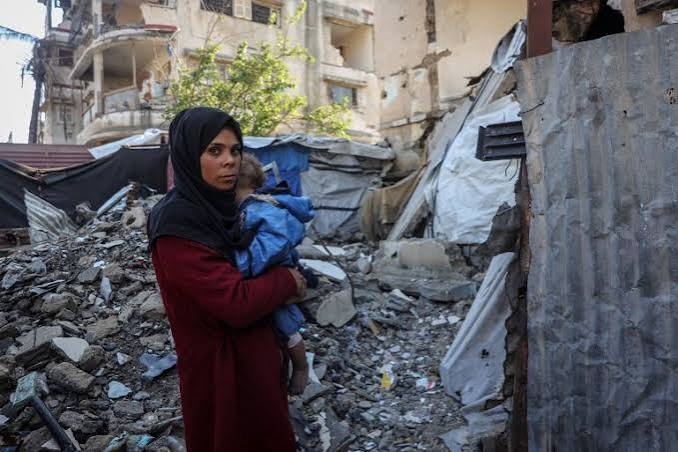
The IMF flags geopolitical tensions as a primary risk that could push growth below the 3.3 percent baseline. Escalating conflicts can disrupt energy and food markets and can trigger capital flight from affected regions. Even when hostilities remain localized the uncertainty can cause businesses to delay investment and consumers to cut back on spending which ripples through the global economy.
Shifts in international trade policies are another source of risk. Sudden changes in tariffs or export controls can create bottlenecks and force firms to reconfigure supply chains at short notice. The report warns that a series of uncoordinated policy moves could lead to a broader retreat from trade which would reduce efficiency and raise costs for consumers. The key is to manage competition through dialogue and clear rules rather than through unilateral measures that invite retaliation.
What policymakers can do to protect the outlook
- Maintain open channels of communication to prevent trade disputes from escalating into wider conflicts
- Focus fiscal support on investments that raise productivity such as infrastructure education and research
- Ensure that monetary policy remains flexible enough to respond to inflation spikes or growth shocks
- Strengthen social safety nets to help households cope with price swings and labor market transitions
These steps will not eliminate risk but they can reduce the chance that a single shock turns into a prolonged downturn. The report emphasizes that coordination among major economies is essential to maintain confidence and to keep capital flowing to where it is most needed.
Implications for businesses and investors
Businesses should plan for a growth environment that is steady but uneven. Opportunities will arise in sectors linked to technology and the energy transition but they will come with higher regulatory and compliance costs. Companies that can manage complexity and that maintain strong balance sheets will be better equipped to weather policy shifts and to invest through cycles.
Investors are advised to diversify across regions and asset classes to reduce exposure to any single source of risk. The IMF outlook supports a barbell approach where portfolios include both growth oriented positions in innovative sectors and defensive holdings that can perform well if tensions rise. The goal is to capture upside from technology and productivity gains while protecting capital against unexpected policy moves or geopolitical events.
How households can prepare for the year ahead
Households can take practical steps to build resilience in a steady growth environment. Paying down high interest debt and maintaining an emergency fund can provide a buffer if income is disrupted. Investing in skills that are in demand such as digital literacy and technical training can improve job security and open up new opportunities. Families should also review their budgets to account for potential price swings in energy and food which remain sensitive to global events.
For those considering major purchases or investments the message is to proceed with caution and to stress test decisions against higher interest rates or lower income. The outlook is not dire but it is not a signal to ignore risk. Prudent planning and a focus on long term goals can help households navigate the uncertainties that come with shifting trade policies and geopolitical tensions.
Where to find the full outlook and related analysis
The IMF publishes detailed reports and data sets that allow readers to explore the assumptions behind the 3.3 percent forecast and to examine country specific projections. The IMF official website hosts the full World Economic Outlook and accompanying materials that explain the risks and policy recommendations in greater depth. Policymakers businesses and researchers use these resources to inform decisions and to track how the global economy is evolving over time.
Central banks and finance ministries also release their own assessments that complement the IMF analysis. Reading multiple sources can provide a more complete picture of the forces at play and of the policy options available. The goal is to make informed choices that reflect both the opportunities and the risks in the current environment.
The July 5 2026 outlook paints a picture of an economy that is holding its ground but that requires careful stewardship to stay on course. Technology and private sector ingenuity are providing a solid foundation but the path forward depends on how well governments manage trade and geopolitical risks. The next quarter will show whether the balancetips toward continued stability or toward a more turbulent phase that tests the resilience built over the past year.