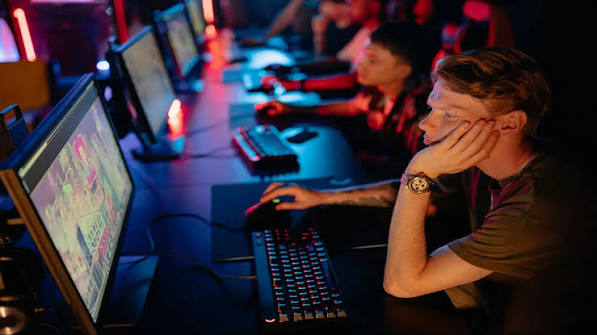
On July 5, 2026 I stood in a dim practice room where a team of players tested a new build that lets them face opponents on consoles, PCs, and cloud headsets with near identical physics and millisecond parity. Major publishers announced an open source physics engine designed to unify simulation, networking, and input handling across platforms. The move aims to resolve long standing fairness issues in competitive play and to rework tournament architecture so that skill, not hardware advantage, determines outcomes.
Why a single physics engine matters to esports
Competitive video games hinge on precise timing, consistent collision detection, and predictable object behavior. Small differences in frame timing or input latency can change whether a shot lands or a dodge succeeds. Fragmented engines and proprietary simulation stacks created subtle but measurable advantages for players on certain platforms. A unified, community audited physics core reduces variance by standardizing how games simulate motion, collisions, and network reconciliation across devices. For organizers this reduces technical disputes; for players it clarifies what counts as fair play.
Technical design and innovation
The engine combines deterministic simulation, adaptive rollback networking, and a modular input abstraction layer that normalizes controller and headset inputs. Deterministic simulation ensures that given the same inputs all clients reproduce identical game states while rollback networking masks packet jitter by rewinding and replaying recent frames. The input abstraction decouples device specifics so a controller press on a console maps to the same semantic action as a gesture on a cloud headset. Open source tooling allows third parties to inspect and propose optimizations, increasing trust and accelerating debugging in live tournaments.
Key features that affect competitive play
- Deterministic physics to prevent divergent states across clients.
- Rollback systems that reduce perceived lag without sacrificing fairness.
- Platform agnostic input translation to align control fidelity across devices.
- Telemetry and replay tools built in for adjudication and anti cheating.
Impact on tournament architecture
Tournament organizers will likely redesign match formats, server topology, and adjudication standards. Unified engines make it easier to host cross platform qualifiers where players in different geographies and on different devices compete on a level technical field. Centralized replay and telemetry reduce the need for manual referee intervention and speed dispute resolution. Organizers may adopt standard server configurations and certified client builds to ensure parity, while cloud relay nodes can be placed to equalize network latency between far flung competitors.
Player experience and competitive integrity
Players describe the new builds as both familiar and oddly calmer. The tactile sensation of a bullet hitting a surface or a character sliding on a slope now matches across setups, which reduces cognitive load during high pressure moments. For pros who train heavily on a particular platform the change will require adjustment periods, but most welcome a level playing field. Anti cheat measures integrated into the engine provide consistent telemetry for suspicious events while avoiding invasive device scans that raised privacy concerns in earlier systems.
Developer and publisher incentives
Publishers see practical benefits beyond fairness. Shared physics lowers development cost for cross platform ports and reduces the maintenance burden. Smaller studios gain access to a battle tested simulation stack, shortening time to competitive readiness. Open source governance encourages community extensions and research partnerships, while publishers retain control over their game logic and monetization. The model balances shared infrastructure with proprietary differentiation at the gameplay layer.
Challenges for adoption
Transition will not be frictionless. Legacy titles with bespoke simulation quirks may resist migration because small tweaks to physics shaped their core identity. Hardware vendors may push back if perceived parity reduces opportunities to highlight device advantages. Latency equalization across continents remains a network engineering challenge. Finally the open source nature of the engine requires robust governance to prevent fragmentation and to manage security disclosures without disrupting live events.
Governance and standards
Publishers proposed a lightweight governance board composed of tournament organizers, platform representatives, pro players, and independent researchers to steward the code base and certify competitive builds. Standards for certified servers, client builds, and telemetry exports will help event hosts and regulatory bodies apply consistent rules. Public documentation on physics determinism and reconciliation strategies supports transparency and allows watchdog groups to assess fairness claims.
Economic and community effects
Cross platform parity could broaden audiences for competitive titles by enabling more casual platforms to participate in open qualifiers and by reducing device driven segregation of player pools. Broadcasters and rights holders may find larger, more inclusive talent pools attractive. Yet ecosystems that previously sold proprietary features to pro players will need new revenue models such as cosmetic markets and performance tuned peripherals certified to the engine standard.
What tournament operators should prepare for
Event hosts should run early certified scrimmages, audit server placements to minimize latency skew, and update rulebooks to reference engine certified behaviors and replay procedures. Coaches must incorporate cross platform drills into training regimens and analysts should recalibrate performance metrics that previously conflated hardware benefits with player skill. Investment in telemetry analysts and adjudication teams will pay dividends when disputes arise.
For technical readers wanting formal background on networking strategies such as rollback and deterministic simulation a range of papers and community resources explain these methods in practical detail. The academic archives and major game developer conferences provide in depth treatments on simulation fidelity and network reconciliation GDC Vault and arXiv are useful starting points.
Looking ahead
The unified open source physics engine marks a turning point for competitive game design. It reduces a longstanding source of variance and gives organizers a shared foundation for fair play. The technology will force cultural adjustments among players, incentivize new business models among publishers, and demand careful governance to prevent fragmentation. I left scrimmage halls hearing a common refrain from players and referees alike. There is guarded optimism that the work will let matches be decided by split second decisions made by humans rather than by hidden differences in hardware or network topology.