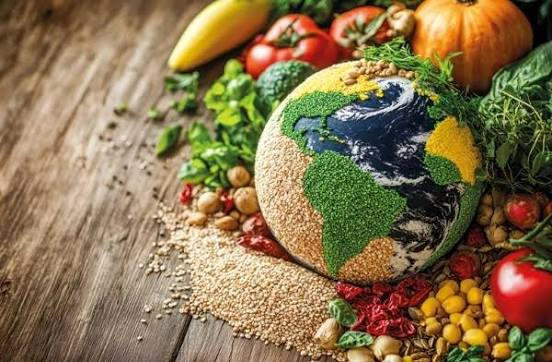
On July 6 2026 international agricultural bodies unveiled a major transnational distribution grid designed to deliver bio engineered drought resistant staple crops to regions battered by volatile weather patterns. The initiative marks a coordinated effort to stabilize food supplies where erratic rainfall prolonged dry spells and extreme heat have threatened harvests and driven up prices for basic grains. For farming communities facing uncertainty the program promises not only seeds that can withstand harsher conditions but also a logistics network built to move food quickly from surplus zones to areas of acute need.
What the initiative delivers
The core of the program is a dual track approach that pairs climate resilient crop varieties with a responsive distribution system. The seeds include bio engineered strains of wheat maize and rice developed to maintain yields under water stress and higher temperatures. These varieties are not theoretical pilots but products of multi year breeding programs that have undergone field trials in target regions. Alongside the seeds the initiative establishes a transnational grid of storage hubs regional depots and last mile transport corridors that can activate within days when weather forecasts signal crop failure or market disruptions.
Regions in focus
Initial deployments target areas where climate volatility has repeatedly undermined food security including parts of sub Saharan Africa South Asia Central America and the Middle East. Within these zones local agricultural ministries and community cooperatives will receive priority access to resilient seeds and emergency grain stocks. The selection reflects both historical vulnerability to drought and the presence of partner organizations capable of managing distribution and training farmers on new agronomic practices.
Why climate resilient crops matter now
Weather patterns have grown more unpredictable with longer dry spells interspersed with intense rainfall that can wash out young plants. Traditional seed varieties often fail under these conditions leading to harvest losses that ripple through local markets and household budgets. Drought resistant strains offer a buffer by maintaining productivity when water is scarce and by recovering more effectively after heat stress. For smallholder farmers who lack irrigation infrastructure these traits can mean the difference between a viable harvest and a season of debt.
How the distribution grid works
The grid functions as a coordinated network rather than a single central warehouse. Regional hubs store grain and seed stocks close to production zones and consumption centers. When early warning systems flag impending shortfalls pre positioned transport assets move supplies along designated corridors to local depots. Community organizations then distribute to farmers and retailers using established rural routes. This design reduces the time between decision and delivery and limits the risk that a single disruption will stall the entire system.
Voices from the field
Farmers in pilot areas describe the anxiety of watching skies that withhold rain for weeks then unleash downpours that flatten crops. One grower in a drought prone district explained that resilient seeds gave his family confidence to plant on schedule rather than delay and lose valuable growing days. A cooperative manager noted that access to stored grain during lean periods prevented distress sales of livestock and allowed households to maintain nutrition while waiting for the next harvest. These accounts underscore that the program aims to stabilize livelihoods as much as to move commodities.
Safeguards and oversight
International agricultural bodies have built oversight mechanisms to address concerns about seed quality pricing and equitable access. Independent agronomists will monitor field performance and report on yield stability pest resistance and soil health impacts. Pricing frameworks aim to keep seeds affordable for smallholders through subsidies and bulk procurement while preventing market distortions that could disadvantage local seed producers. Governance committees including representatives from farmer organizations civil society and national governments will review distribution data and resolve disputes over allocation.
Nutrition and market stability
Beyond immediate harvest protection the initiative seeks to dampen price spikes that occur when supply chains falter. By moving grain from surplus to deficit areas quickly the program reduces the incentive for hoarding and speculative trading that can inflate costs for basic staples. Nutrition outcomes are also a priority with emphasis on maintaining dietary diversity when primary crops are at risk. Local health authorities will work with distributors to ensure that vulnerable populations receive adequate food during transition periods.
Challenges and risks ahead
Success depends on several factors that remain uncertain. Seed adoption requires training and trust because farmers must adjust planting schedules and management practices to realize the benefits of resilient varieties. Logistics corridors must stay open despite political instability conflict or infrastructure damage that can block transport. Climate projections carry inherent uncertainty which means the system must be flexible enough to respond to unexpected weather events. Finally the program must avoid creating dependency by supporting local seed systems and regional trade that can sustain food security over the long term.
What comes next
Implementation will proceed in phases with initial deployments followed by evaluations that inform scale up. Early metrics will track seed germination rates yield performance under stress distribution timeliness and price stability in target markets. Based on results organizers plan to expand the crop portfolio to include pulses and oilseeds that diversify diets and income sources. Parallel investments in soil conservation water harvesting and farmer training aim to strengthen the foundation on which resilient seeds can deliver their full potential.
Resources for further context
Readers seeking background on climate resilient agriculture and global food security can consult the Food and Agriculture Organization which maintains extensive reporting on crop adaptation strategies and emergency response frameworks FAO programs on climate resilient agriculture. For data on drought risk and agricultural vulnerability the World Bank offers country level assessments and project documentation that contextualize the challenges facing farming communities World Bank agriculture and climate risk data.
As the first shipments move through the new grid the focus will shift from planning to performance. The measure of success will be whether families can plant with confidence markets remain stable and communities withstand the next season of volatile weather without falling into crisis.