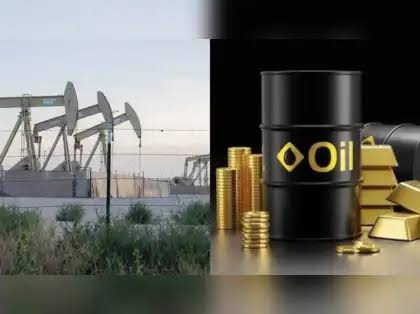
On July 8 2026 a breakdown in the US Iran ceasefire following regional military strikes sent global markets into high alert triggering a sudden spike in crude oil prices and forcing businesses to rewrite international projections. Trading floors from New York to London to Singapore saw rapid moves in energy equities currencies and bonds as investors priced in the risk of wider conflict and potential disruptions to shipping lanes and supply routes. For executives households and policymakers the episode is a stark reminder that political decisions can rewrite economic forecasts overnight.
What happened and why it matters
The ceasefire that had tempered tensions for months unraveled after a series of strikes in the region that drew in multiple actors and raised the specter of escalation. Crude benchmarks jumped as traders assessed the possibility of supply constraints and higher insurance costs for vessels transiting sensitive waterways. The move was swift and broad based with energy stocks leading gains while transportation and consumer discretionary names came under pressure on fears that higher fuel costs would squeeze margins and household budgets. Bond yields moved in tandem with risk sentiment as investors sought safety in government debt and gold.
Immediate market reaction
Equity indices opened lower before volatile swings took hold as headlines shifted through the day. Energy and defense sectors outperformed while airlines shipping and retail lagged on cost concerns. Currency markets saw flows into traditional havens and out of risk sensitive emerging market assets. The intraday pattern reflected uncertainty about the duration and scope of the disruption rather than a single clear outcome. Liquidity thinned at times which amplified price moves and left traders watching for official statements that could calm or inflame sentiment.
Oil price spike and the path ahead
The surge in crude prices reflects both physical and psychological factors. Physically the market is assessing whether any actual supply has been removed or whether infrastructure is at risk. Psychologically the premium reflects fear that further escalation could affect major export routes and production facilities. The size and persistence of the spike will depend on whether diplomatic channels reopen quickly and whether there are signs that shipping can proceed without interference. Even a short lived disruption can leave a lasting imprint on forward curves if traders believe the risk of recurrence has increased.
How businesses are responding
Companies are moving fast to update forecasts and hedge exposures. Airlines are reviewing fuel surcharges and capacity plans while logistics firms are reassessing routes and insurance coverage. Manufacturers with just in time supply chains are checking inventory buffers and alternative transport options. Retailers are modeling the pass through of higher costs to consumers and the potential impact on demand for non essential goods. The common thread is scenario planning that accounts for a range of outcomes from a quick de escalation to a prolonged period of elevated risk.
What this means for households and inflation
Higher oil prices feed through to gasoline and diesel costs which affect commuting shipping and heating bills. Households that were already managing tight budgets may feel the pinch first at the pump and then in grocery prices as transport costs rise. For policymakers the timing is delicate because higher energy costs can push inflation back up just as growth shows signs of moderating. Central banks will watch whether the shock is transitory or whether it becomes embedded in wages and prices which would complicate interest rate decisions in the coming months.
Investor playbook in volatile times
Investors are focusing on quality and flexibility. Energy producers with strong balance sheets and diversified assets stand to benefit from higher prices while companies with high fuel exposure face margin pressure. Portfolios that can tolerate swings and maintain liquidity are better positioned to navigate headline driven volatility. Some investors are increasing allocations to defensive sectors and inflation sensitive assets while reducing exposure to highly leveraged names that could struggle if financing costs remain elevated. The goal is not to predict the next headline but to build a portfolio that can absorb a range of outcomes.
Voices from the trading floor and the boardroom
Traders describe a day of whipsaw action where positions that looked profitable in the morning reversed by the close. One portfolio manager said the priority was to avoid overreacting to every headline while still respecting the magnitude of the move. A chief financial officer at a manufacturing firm explained that the team ran new scenarios within hours and identified levers to protect cash flow including delaying non critical spending and renegotiating freight contracts. The shared sentiment was caution rather than panic with an emphasis on flexibility and clear communication with stakeholders.
Risk factors and what could calm markets
The biggest risk is escalation that draws in more actors and threatens critical infrastructure or shipping corridors. A prolonged disruption would lift energy costs further and increase the chance of a broader economic slowdown. Conversely markets can stabilize quickly if diplomatic efforts gain traction and if there are visible signs that trade flows remain intact. Official statements that outline a path to de escalation and concrete steps to protect civilian shipping would help anchor expectations and reduce the risk premium built into prices.
What to watch next
Key indicators include inventory reports refinery utilization and shipping insurance rates that signal physical tightness or ease. Government announcements on strategic reserves and coordination with allies can influence sentiment and actual supply. Corporate guidance during earnings season will reveal how managers are adjusting to higher input costs and whether they expect the impact to be temporary or lasting. Investors will also monitor central bank commentary for signs that policy will respond to any inflationary impulse from the energy spike.
Resources for deeper context
Readers seeking authoritative data on energy markets and geopolitical risk can consult the International Energy Agency which publishes regular reports on oil supply demand and market stability IEA oil market reports and analysis. For macroeconomic context and policy responses the Bank for International Settlements offers research on how commodity shocks transmit through the global financial system and affect inflation dynamics BIS research on commodity shocks and inflation.
As the day closed the focus shifted from the initial shock to the road ahead. The measure of resilience will be whether diplomatic channels can restore calm whether businesses can adapt without cutting jobs or investment and whether households can absorb higher costs without pulling back on essentials. Markets will continue to react to headlines but the lasting impact will depend on choices made in the coming days by leaders who can either widen the rift or narrow it.