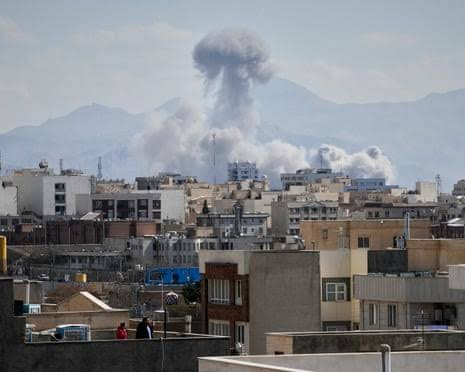
On July 12 2026 major global broadcasting hubs and streaming news platforms executed a rapid programming overhaul to deliver live, round the clock coverage of deteriorating United States and Iran relations. Control rooms from New York to London and Dubai shifted anchors, reporters, and producers into continuous briefing mode as editors cleared regular schedules and filled airtime with maps, timelines, and expert analysis. For viewers the change was immediate and unmistakable. A steady stream of alerts, special reports, and live crosses replaced the usual mix of daytime shows and planned documentaries.
Inside the control room: a sprint to reorganize
News directors described the past 24 hours as a coordinated sprint that began with a single phone call and cascaded into a full network reset. Anchor desks were reconfigured to accommodate defense analysts and regional specialists. Graphics teams pulled up naval traffic maps, port closure notices, and satellite imagery of key waterways. The smell of fresh coffee and the low hum of servers filled studios as crews worked to keep pace with developments that shifted by the minute.
Anchor teams rotated in shifts to maintain sharp delivery and to avoid fatigue. Producers managed multiple feeds from correspondents stationed near contested corridors, from diplomatic capitals, and from ports where shipping schedules were being rewritten. The goal was clarity under pressure. Every segment had to answer the same questions that viewers asked at home. What happened, what it means, and what might happen next.
What audiences are seeing across platforms
On linear television channels the schedule now features extended news blocks with rolling updates and scheduled briefings from officials and analysts. On streaming platforms the same coverage is broken into live windows and on demand clips that allow viewers to catch specific moments or replay analysis. Social media feeds are carrying short videos and threaded summaries that distill complex developments into digestible pieces. The result is a multiplatform experience that meets audiences where they are, whether on a living room screen or a smartphone during a commute.
Visuals play a central role in the coverage. Maps show restricted zones and shipping lanes, while timelines track the sequence of statements and movements. Experts appear via secure links to explain military posture, trade impacts, and diplomatic channels. The mix is designed to provide context without overwhelming the viewer. Editors are balancing live reports with pre produced segments that explain the history and stakes so that new viewers can follow along.
Voices from the newsroom and the field
Reporters in the field described the logistical challenge of staying live while conditions shift. A correspondent near a major port spoke of the constant assessment of risk, the need to keep equipment charged, and the pressure to verify details before a soundbite goes out. Back in the studio a senior producer explained the discipline required to avoid repeating unconfirmed claims and to keep the narrative grounded in what is known. The human element is present in every decision, from the tone of a question to the choice of footage that shows impact without sensationalism.
Viewers are part of the story. Call ins and messages from families of service members and aid workers shape the coverage by highlighting the personal stakes. Editors are allocating time to answer frequently asked questions and to provide practical information such as travel advisories and contact numbers for assistance. The aim is to be useful, not just informative.
Editorial choices and the challenge of speed
Speed creates tension with accuracy. Newsrooms are relying on layered verification that includes cross checking with official sources, monitoring multiple feeds, and holding segments until key facts are confirmed. The discipline is to avoid the trap of filling airtime with speculation. When uncertainty exists, presenters are trained to state what is known, what is not known, and what will be checked next. That transparency builds trust and reduces the risk of spreading misinformation.
Context is the counterweight to speed. Analysts are brought in to explain the strategic logic behind movements and statements. Historians provide background on past negotiations and breakdowns. Economists outline how trade flows and energy markets may react. The goal is to give viewers a framework that helps them understand not just the event but the system in which it occurs.
Market and policy implications that shape coverage
Financial desks are tracking the impact on energy prices, shipping insurance, and defense stocks. Traders watch for signals that could move markets and analysts parse official language for hints of policy shifts. The coverage reflects this reality by pairing geopolitical updates with market snapshots and by explaining how a diplomatic statement can ripple through supply chains and household budgets.
Policy watchers are focused on statements from capitals and international bodies. Editors are monitoring press conferences, reading joint communiqués, and tracking social channels for official announcements. The emphasis is on the words that matter and the actions that follow. When a government issues a warning or a ceasefire plea, the newsroom maps the response and the next steps so that viewers can see the path forward.
Practical guidance for viewers navigating the coverage
Viewers can manage the flow of information by setting specific times to check updates rather than scrolling continuously. Choose one or two trusted outlets for live coverage and use their on demand clips to review key moments. Follow official channels for travel advisories and safety notices. For families with loved ones in affected areas, keep a list of contact numbers and emergency plans that can be accessed quickly.
Critical thinking is essential. Ask whether a claim is supported by multiple sources, whether the language is precise or speculative, and whether the visuals match the narrative. If a story seems too dramatic or too certain, pause and look for corroboration. The best coverage is steady and transparent about uncertainty.
Resources and further context
For official updates and safety information see resources from the United States Department of State and international crisis monitoring organizations that track regional developments. These institutions provide verified notices and practical guidance that complement news coverage.
What to watch next
Monitor scheduled briefings from diplomatic capitals and international organizations for signs of mediation or deconfliction efforts. Track shipping advisories and port notices that indicate changes in logistics capacity. Watch for statements from defense officials that clarify posture and rules of engagement. The pace of coverage will remain high, but the focus will shift as new information emerges and as channels for dialogue open or close.
Would you like a concise list of trusted outlets for live Middle East coverage or a short primer on how to verify breaking news claims during fast moving geopolitical events