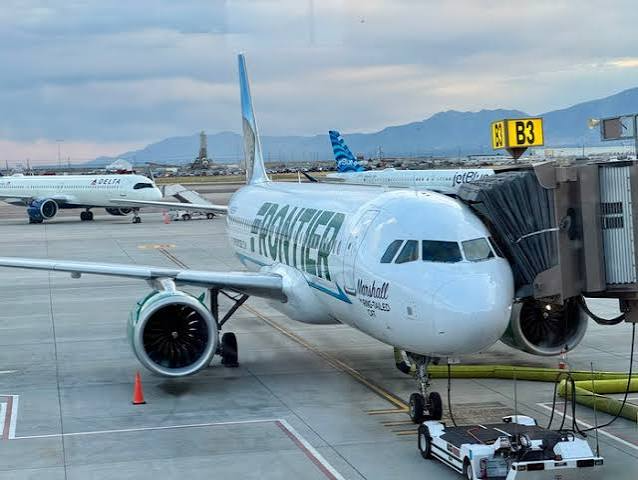
Frontier Airlines announced on July 14, 2026 that it will partner with SpaceX to install Starlink satellite internet on its aircraft, a move that promises ultra-fast, low-latency WiFi for the budget carrier beginning in early 2027. I spoke with airline executives, flight crews, and frequent flyers to understand what this change means for passengers, operations, and the economics of in flight connectivity on low cost carriers.
What the partnership actually delivers
The agreement pairs Frontier with SpaceX to fit aircraft with Starlink user terminals that connect to the company satellite constellation. The promise is broadband speeds that exceed current air to ground systems and a latency that supports video calls, live streaming, and interactive apps during flight. For many travelers this will feel like taking their home connection into the sky, especially on longer domestic routes.
Frontier framed the upgrade as a passenger experience priority that will not meaningfully raise base fares. Executives told me the carrier expects to offer tiered connectivity options, including a basic complimentary tier for messaging and a paid tier for full streaming performance. The carrier will need to finalize pricing and roll out logistics such as authentication portals and in flight support before the public launch.
Why Starlink matters to airlines and flyers
Commercial aviation has long struggled with limited bandwidth and high costs for in flight internet. Traditional satellite providers rely on geostationary satellites with higher latency, while ground based networks can drop coverage over oceans and sparsely populated regions. Starlink’s low Earth orbit constellation reduces latency and increases bandwidth because signals travel shorter distances and can be routed through multiple satellites.
For passengers the practical effects are clear. Remote workers who need stable video conferencing, families streaming shows, and leisure travelers navigating entertainment options all stand to benefit. Flight attendants I interviewed expect fewer passenger complaints about connectivity on flights that previously offered spotty service. Frequent flyers said dependable WiFi will influence carrier choice when schedules and price match.
Operational and regulatory hurdles to overcome
Installing satellite terminals and related wiring requires time in maintenance bays and coordination with original equipment manufacturers and certification authorities. Frontier will need supplemental type certificates for the modifications, approval from the Federal Aviation Administration, and new procedures for ground crews and inflight staff. Those steps can add weeks or months per aircraft depending on fleet size and available maintenance slots.
Security and safety also shape deployment. Airlines must ensure that inflight communications systems do not interfere with avionics, that software is kept secure against cyber threats, and that passenger data protections comply with federal standards and consumer expectations. Frontier told me it is collaborating with SpaceX on cybersecurity hardening and that crew training programs will cover connectivity troubleshooting and passenger use policies.
Cost, revenue, and the low cost carrier formula
Investing in Starlink terminals and installation will be a material capital expense. Frontier faces the business choice of subsidizing connectivity to keep fares low while recouping costs through add on sales and ancillary revenue. Many low cost carriers have used tiered pricing for seat selection, baggage, and priority boarding as revenue levers. Adding paid high speed WiFi follows that model but requires careful pricing so ancillary revenue does not feel punitive to passengers.
Analysts I spoke with view the move as strategically sound. Reliable internet can increase ancillary spend in flight and improve customer satisfaction metrics that influence repeat business. For corporate passengers who might otherwise avoid ultra low cost carriers because of poor connectivity, consistent service may broaden Frontier’s addressable market.
Passenger perspectives
Frequent business travelers welcomed the news. One consultant said she now considers Frontier for regional routes she previously avoided because of poor WiFi. Families traveling with children said reliable streaming during flights would reduce stress and make travel more manageable. Some price conscious travelers expressed caution, seeking clarity on whether meaningful connectivity would be included or locked behind paywalls.
How this compares with other carriers
Legacy airlines have already rolled out various degrees of satellite WiFi but often at higher prices and on limited aircraft types. Low cost carriers have lagged because the capital and installation logistics can strain narrow margin models. Frontier pairing with Starlink signals a shift where low cost carriers adopt capabilities once reserved for larger networks. The competitive effect may push other budget airlines to seek similar partnerships or to improve their existing offerings.
Practical tips for passengers before launch
- Expect staggered availability as Frontier outfits planes during routine maintenance windows, which means not every flight will have Starlink initially.
- Bring a backup plan for critical meetings until you can confirm a specific flight offers high speed service and the airline finalizes authentication steps.
- Watch for tiered pricing and consider short term passes for single long flights rather than season passes until you understand usage patterns.
Environmental and technical trade offs
Starlink terminals add weight and drag, with modest impacts on fuel burn. Frontier estimates the incremental fuel penalty will be small but is part of an operational calculation that includes carbon offset programs and route economics. From a technical perspective Starlink’s performance can vary by satellite density along specific flight paths and by weather. SpaceX continues to expand satellite numbers and ground infrastructure to improve coverage and capacity.
Next steps and timeline
Frontier projects initial installations to begin in early 2027 with rollout prioritized on longer domestic routes where demand for streaming and work is greatest. Certification processes and installation scheduling will determine actual fleet penetration by mid 2027. Passengers should monitor Frontier’s communications for flight specific connectivity updates and pricing announcements.
The partnership also positions SpaceX to deepen its aviation footprint. As airlines evaluate passenger experience and revenue effects, the broader industry may accelerate adoption of low Earth orbit satellite services. For travelers this competition for the best inflight connection could mean more reliable WiFi options regardless of carrier choice.
Where to learn more
For readers seeking technical background on Starlink and its aviation deployments consult SpaceX public filings and the Federal Aviation Administration guidance on satellite installations. Industry context and data on in flight connectivity trends are available through the International Air Transport Association and aviation technology outlets such as Aviation Week.
The Frontier Starlink announcement is a meaningful step toward closing the persistent gap between ground grade internet and what passengers expect at altitude. I will continue tracking certification progress, pricing decisions, and early passenger reports once installations begin so readers can judge whether the promise translates into consistent service across the network.