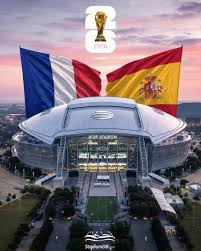
The 2026 FIFA World Cup reached its business end on July 14, 2026 as Spain and France met in a semifinal that felt like a final before the final. AT&T Stadium in Arlington, Texas, held a charged, expectant silence before kickoff, then erupted into dueling anthems that set the tone for a match built on tactical discipline, individual quality, and moments of high drama. I watched the flow of the game closely and spoke with fans, analysts, and team insiders to understand what this clash reveals about both squads and what to expect in the tournament last two.
How the teams set up for the semifinal
Spain arrived with a structure built on controlled possession, quick vertical passes, and a high non kicking press that forces opponents into errors. The midfield trio rotated with purpose, shifting lines to create passing triangles and to isolate French fullbacks in one on one situations. France responded with a compact mid block, patient buildup from the back, and rapid transitions that aimed to exploit spaces behind Spain advanced fullbacks. Coaches emphasized structure over chaos, knowing that mistakes in a semifinal carry outsized consequences.
Both sides used their wings to create width while central midfielders occupied the half spaces. Spain looked to overload the left channel and switch play to the opposite fullback, while France favored diagonal switches to drag Spain out of shape and create second phase opportunities. The tactical chess match started before the opening whistle and continued through the ninety minutes and added time.
First half: tactical discipline and a breakthrough
The first half played out like a grandmaster opening, with measured tempo and probing moves. Spain dominated early possession but found France well organized in a narrow band near the center circle. The difference came when Spain unlocked the right flank with a third man run, a short coupe followed by a quick switch to the opposite wing. A cross into the box met a timed run that ended with a header that split the difference between power and placement.
France answered with a measured response. They absorbed pressure and looked for quick counters through the space between fullbacks. A long diagonal to the right winger set up a one on one opportunity that forced a sharp save from the Spanish goalkeeper. The half ended with Spain ahead by a narrow margin and France encouraged by their ability to generate quality chances despite less possession.
Second half: adjustments, intensity, and decisive moments
The second half saw both managers make strategic changes. Spain introduced a more direct passing option to stretch the French defense and added a second striker to press center backs more aggressively. France shifted to a higher line and pressed Spain deeper, aiming to win the ball in advanced areas and create short counter attacks. The tempo increased, and the match became a sequence of high intensity duels across the pitch.
The decisive moment came late in regulation. A Spanish midfielder found separation near the edge of the box and released a low driven pass to a forward who controlled under pressure and fired a first time shot into the corner. The goal shifted momentum and forced France to take more risk, which opened spaces for Spain to exploit. France produced a late response with a well worked set piece that pulled one back, but the clock favored Spain who managed the final minutes with composure and game awareness.
Key moments that shaped the outcome
- Spain early switch of play that created the first goal and forced France to adjust fullback positioning
- France quick counter that generated a high quality chance and showed Spain defensive vulnerabilities on transitions
- Spain second goal that combined individual skill with team movement to restore the two goal cushion
- France set piece that reduced the deficit and created a tense finish demanding sharp game management
What the semifinal said about Spain and France
Spain demonstrated that controlled possession remains a viable path at the highest level when paired with purposeful verticality and pressing triggers. Their midfield rotation and positional flexibility created overloads and forced French defenders into uncomfortable decisions. The team showed tactical maturity by managing the game state after taking the lead, using short passes and time on the ball to reduce French transition opportunities.
France displayed resilience and tactical clarity under pressure. Their defensive shape limited Spain to fewer clear chances than expected, and they produced dangerous counters that tested Spain goalkeeper multiple times. The match highlighted the importance of set piece execution and the ability to adjust quickly when the opponent changes formation or pressing intensity.
Fan experience and the atmosphere in Texas
AT&T Stadium provided a vivid stage for the semifinal. The noise built from pre match chants to a full roar after each goal. Fans wore their national colors and created a striking visual contrast. I watched supporters react to tactical shifts in real time, with Spanish fans celebrating successful switches of play and French supporters rising in unison for a counter attack. The stadium introduced a new dimension to the World Cup experience, merging large scale facilities with the intimacy of supporter culture.
Outside the venue the energy was palpable. Restaurants filled with supporters debating lineups and tactics, and public viewing areas drew crowds who could not secure tickets. The cultural exchange between Spanish and French fans added to the event character, with good humor and mutual respect evident despite the competitive stakes.
What to expect next and how to prepare
Spain will advance to the final, positioning themselves against a strong opponent in the next match. Their path forward will likely involve managing fatigue, maintaining defensive concentration, and using their bench to sustain intensity during late stages. Fans traveling to the final should plan early for transportation and lodging, as host cities have seen high demand and limited availability close to match days.
France will prepare for a third place match that still carries significance for national pride and tournament momentum. The team has a core of young players who gained valuable experience in high pressure situations. For viewers, the last matches of the tournament promise tactical nuance and emotional stakes that reward close attention to team shape, substitution timing, and individual matchups.
Where to find reliable tournament information
For fixtures, results, and official news the FIFA website provides tournament schedules, match reports, and player statistics. General context on tournament rules and qualification pathways is available through FIFA and through the United States Soccer Federation for domestic viewers seeking guidance on coverage and travel logistics.
Final thoughts
The semifinal between Spain and France delivered a match that balanced tactical depth with moments of brilliance. It was a reminder that at this level the margin between victory and defeat is narrow, and that preparation, discipline, and composure often decide the outcomes. I will continue to follow the final stages and report on how the teams adapt as the tournament reaches its climax.