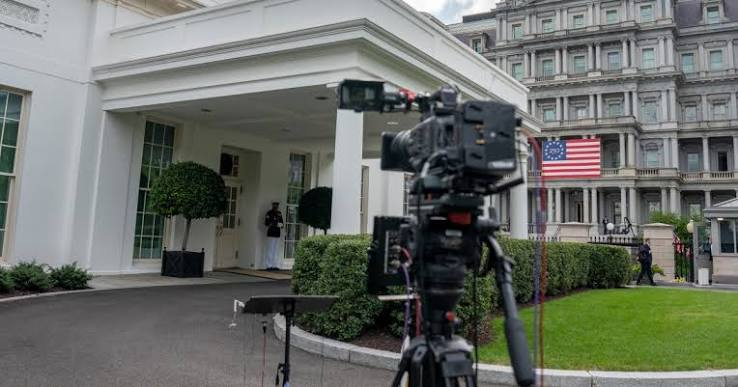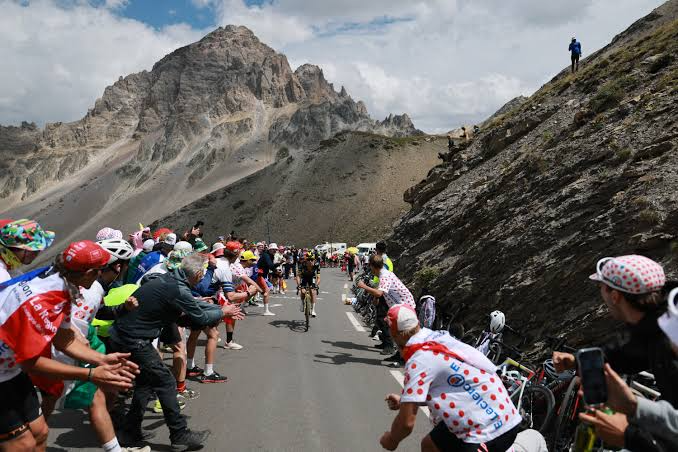
On July 26, 2026, the final stage of the Tour de France was shortened and rerouted inside Paris as organizers shifted security and emergency resources to support wildfire operations across southern and central France. The decision, confirmed by race officials and French authorities, came after police units assigned to crowd control and road closures were urgently redeployed to help evacuate residents and tourists from fire zones in the southwest and near Madrid.
[latimes](https://www.latimes.com/world-nation/story/2026-07-25/franc-spain-battle-wildfires-as-more-than-250-000-are-forced-to-flee)
Why the Route Changed at the Last Minute
The Tour de France has long relied on thousands of police and gendarmes to manage the caravan, secure the route, and keep spectators safe. This year, that same workforce was pulled toward a far more urgent mission. Wildfires in the Gironde and Landes regions forced mass evacuations, with more than 86,000 people told to leave their homes and holiday stays. At the same time, fires west of Madrid triggered a national emergency and the evacuation of tens of thousands more.
[latimes](https://www.latimes.com/world-nation/story/2026-07-25/franc-spain-battle-wildfires-as-more-than-250-000-are-forced-to-flee)
With emergency services stretched thin, race organizers and French authorities agreed to trim the final stage and keep much of the action within Paris limits. The move reduced the number of road closures, cut the number of police required along the route, and freed up personnel to assist with evacuation orders and firefighting logistics.
[latimes](https://www.latimes.com/world-nation/story/2026-07-25/franc-spain-battle-wildfires-as-more-than-250-000-are-forced-to-flee)
What Changed on Race Day
Riders still completed a ceremonial approach into Paris, but the total distance was reduced and several suburban loops were cut. The traditional long build up from the outskirts, with its multiple passes through the western suburbs and along the Seine, was replaced by a tighter circuit that focused on central Paris and the Champs Elysees finish.
[latimes](https://www.latimes.com/world-nation/story/2026-07-25/franc-spain-battle-wildfires-as-more-than-250-000-are-forced-to-flee)
For fans, the experience was different but far from diminished. Crowds still packed the barriers along the Seine and around the Arc de Triomphe, cheering as the sprinters launched their final attacks. The atmosphere remained electric, even as smoke from distant fires drifted into parts of the capital and emergency alerts pinged on phones across the region.
[phys](https://phys.org/news/2026-07-thousands-wildfires-southern-europe.html)
Fire Operations Take Priority Over Spectacle
The rerouting decision was not made lightly. The Tour de France is the biggest annual sporting event in France, attracting millions of spectators and generating substantial revenue for host cities. But with lives at risk and entire towns under evacuation, there was no realistic alternative.
[latimes](https://www.latimes.com/world-nation/story/2026-07-25/franc-spain-battle-wildfires-as-more-than-250-000-are-forced-to-flee)
French officials made clear that firefighting and public safety took precedence. Soldiers were deployed alongside firefighters in the Gironde, and a converted military A400M cargo plane was used to drop flame retardant over burning forests. In that context, diverting police from the race to support evacuations was a straightforward choice for the interior ministry and local prefects.
[latimes](https://www.latimes.com/world-nation/story/2026-07-25/franc-spain-battle-wildfires-as-more-than-250-000-are-forced-to-flee)
How the Change Affected Spectators and Travelers
If you were planning to watch the final stage from the western suburbs or along the traditional route, you likely found yourself redirected to central Paris or advised to follow the race on screens in public viewing zones. Transport authorities adjusted bus and tram schedules, and some metro stations near the old route saw reduced service as resources were shifted to support emergency operations.
[latimes](https://www.latimes.com/world-nation/story/2026-07-25/franc-spain-battle-wildfires-as-more-than-250-000-are-forced-to-flee)
For international visitors, the advice was consistent. Follow official instructions, check local prefecture announcements, and be prepared for sudden changes to transport and road access. In a week when evacuation orders were issued with little warning, flexibility was not just convenient, it was essential.
[latimes](https://www.latimes.com/world-nation/story/2026-07-25/franc-spain-battle-wildfires-as-more-than-250-000-are-forced-to-flee)
Travelers with flights into or out of Paris were advised to arrive early and expect additional security checks. While airports remained open, the presence of military assets and emergency vehicles increased around key infrastructure as the government prioritized readiness.
[latimes](https://www.latimes.com/world-nation/story/2026-07-25/franc-spain-battle-wildfires-as-more-than-250-000-are-forced-to-flee)
What This Means for Future Tours
The 2026 final stage will be remembered as the day the Tour de France stepped back to let emergency services do their work. It sets a precedent for how major events may need to adapt in a warming climate, where extreme heat and wildfire risk are no longer outliers but recurring features of the summer calendar.
[latimes](https://www.latimes.com/world-nation/story/2026-07-25/franc-spain-battle-wildfires-as-more-than-250-000-are-forced-to-flee)
Organizers have already signaled that future routes may need to be designed with greater flexibility, allowing for last minute adjustments without compromising safety or the integrity of the race. That could mean shorter stages, more urban circuits, and contingency plans that can be activated quickly when regional emergencies arise.
[latimes](https://www.latimes.com/world-nation/story/2026-07-25/franc-spain-battle-wildfires-as-more-than-250-000-are-forced-to-flee)
For fans, the message is clear. The Tour de France will always be a spectacle, but it will no longer be oblivious to the realities of the climate crisis. When wildfires threaten communities and overwhelm emergency services, the race will yield.
[latimes](https://www.latimes.com/world-nation/story/2026-07-25/franc-spain-battle-wildfires-as-more-than-250-000-are-forced-to-flee)
Practical Advice for Fans and Travelers
If you are following the Tour de France or planning to attend future stages, keep these points in mind when wildfires are active in the region:
- Monitor official sources for evacuation orders and road closures before you travel to a stage location.
- Be ready to change your viewing spot at short notice if police redirect crowds or close access roads.
- Carry a face mask if air quality alerts are issued, especially if you have respiratory conditions.
- Keep your phone charged and enable emergency alerts so you receive real time updates.
- If you are staying in a wildfire risk zone, know your evacuation route and have your documents and medications ready to go.
Reliable information can be found through ECDC for health and smoke guidance during air quality alerts, and through national civil protection portals that post live evacuation maps and road closures.
[latimes](https://www.latimes.com/world-nation/story/2026-07-25/franc-spain-battle-wildfires-as-more-than-250-000-are-forced-to-flee)
A Race That Respects the Moment
The final stage of the 2026 Tour de France still delivered drama, with sprinters battling for glory on the Champs Elysees and the yellow jersey holder celebrating a hard fought victory. But the bigger story was the quiet, collective decision to put public safety first.
[latimes](https://www.latimes.com/world-nation/story/2026-07-25/franc-spain-battle-wildfires-as-more-than-250-000-are-forced-to-flee)
In a summer when more than 300,000 people were forced to flee their homes and holiday stays across France and Spain, the race showed that it could adapt without losing its soul. For fans, that is a lesson worth carrying forward. The joy of sport is real, but it is never more meaningful than when it respects the gravity of the moment.
[cnn](https://www.cnn.com/2026/07/25/world/live-news/france-spain-wildfires-evacuations)