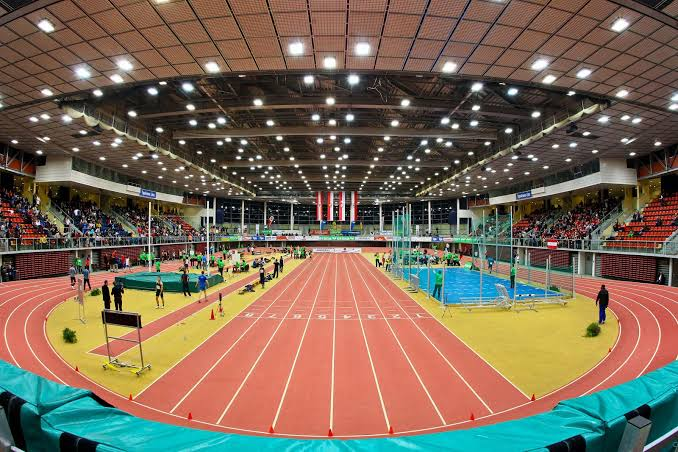
International athletes and global sports organizations are adjusting training plans, roster strategies, travel arrangements, and health procedures as the world’s biggest tournaments demand greater coordination across borders. The 2026 FIFA World Cup has placed renewed attention on athlete safety, travel health, climate conditions, medical readiness, and the practical challenges of staging major competitions across multiple locations. For players and teams, preparation now extends far beyond physical performance.
A major international tournament can bring together thousands of athletes, coaches, officials, medical professionals, support staff, journalists, and spectators from countries with very different health systems and travel conditions. That creates a complicated environment in which sporting excellence depends partly on careful preparation away from the field. Updated guidance from global health organizations has added another layer to that preparation, encouraging sports bodies to consider prevention, medical planning, environmental conditions, and rapid response capabilities as part of tournament readiness.
Why International Tournament Preparation Is Changing
Elite sport has always required disciplined preparation, but international competition creates challenges that domestic leagues rarely encounter at the same scale. Athletes cross borders, change time zones, adapt to unfamiliar climates, follow different travel schedules, and compete in stadiums that may have very different environmental conditions.
For national teams and international franchises, those factors can affect everything from training intensity to recovery time. A player arriving from a cooler climate may need time to adapt to heat and humidity. Another athlete may be dealing with a long flight shortly before an important match. Medical teams must also be prepared for illnesses, injuries, dehydration, and other conditions that can emerge during concentrated periods of competition.
The result is a broader definition of readiness. Coaches still focus on tactics, conditioning, and technical ability, but medical and performance teams increasingly have to work together when planning the athlete journey.
Health Guidance Has Become Part of Competitive Planning
Global health organizations have continued to stress practical measures that can reduce health risks during mass gatherings and international sporting events. These measures can include disease surveillance, vaccination considerations where relevant, access to medical care, hygiene procedures, emergency response planning, and communication systems that allow concerns to be identified quickly.
The World Health Organization plays a central role in international public health coordination and provides guidance covering mass gatherings, infectious disease risks, travel health, and emergency preparedness.
For sports organizations, the value of such guidance is not limited to preventing illness. A well prepared medical operation can help teams respond quickly when an athlete becomes unwell or when unusual health conditions emerge among participants or spectators.
That matters because a major tournament operates on a compressed schedule. A minor health issue that might be manageable during a normal club season can become more complicated when an athlete is expected to compete again within a few days.
The 2026 FIFA World Cup Highlights the Scale of Modern Competition
The 2026 FIFA World Cup represented an especially large international sporting operation, with matches staged across the United States, Canada, and Mexico. The scale of the event placed significant demands on teams traveling between different locations while also requiring tournament organizers to coordinate transportation, stadium operations, medical services, security, accommodation, and public health considerations.
For athletes, geographical scale can influence recovery. Travel time, sleep schedules, unfamiliar surroundings, and changes in local conditions can affect how a player feels before training or competition. Teams therefore have strong reasons to manage movement carefully rather than treating travel as an afterthought.
Modern tournament preparation increasingly considers the entire athlete environment. Where a team trains, how long it travels, when players sleep, how recovery sessions are scheduled, and how medical staff monitor health can all become part of the competitive plan.
Roster Management Is Becoming More Strategic
International teams must balance the desire to field their strongest possible lineup with the physical demands placed on individual athletes. This becomes particularly important during tournaments that involve several matches over a short period.
Coaches may need to consider whether a player can safely handle consecutive appearances, whether another athlete should receive additional recovery time, and whether squad depth is sufficient to respond to injuries or illness.
That means roster planning is increasingly connected to medical information and workload management. A talented squad still needs enough resilience to remain competitive when unexpected problems occur.
Key areas teams are watching closely
- Travel time and recovery between matches
- Heat and humidity exposure
- Sleep quality and time zone changes
- Training load and injury prevention
- Access to medical facilities
- Food, hydration, and nutrition management
- Rapid response procedures for illness or injury
These considerations do not replace sporting strategy. They support it by helping athletes remain available when competition becomes most demanding.
Climate Conditions Are Now a Major Athlete Concern
Weather can be one of the most important variables in international sport. Athletes accustomed to one climate may suddenly compete in intense heat, high humidity, or unfamiliar conditions. Even highly conditioned players can experience physical strain when environmental conditions change significantly.
Heat management requires careful planning because the human body must regulate temperature while also producing the physical effort required for elite competition. Hydration, rest periods, training schedules, medical observation, and appropriate clothing can all become important components of preparation.
For tournament organizers, environmental conditions can also affect spectators, stadium workers, referees, volunteers, and other personnel. A comprehensive event health plan therefore has to consider the entire population gathered around the competition rather than focusing exclusively on athletes.
Travel Health Matters Before the First Match
International competition begins before athletes enter the stadium. Teams crossing several borders may need to review travel health requirements, medical documentation, local healthcare arrangements, food and water considerations, and emergency procedures.
The FIFA platform provides official information about international football competitions and tournament operations, while health authorities provide separate guidance concerning travel and public health risks.
Medical staff can also play an important role in educating athletes about the conditions they may encounter. Small precautions can become valuable when thousands of people are moving through airports, hotels, training facilities, and stadiums during the same period.
For an athlete, preparation may feel very personal. It can mean checking a travel schedule, packing familiar nutrition products, adjusting sleep routines, or speaking with medical staff about a concern that might otherwise be ignored. These details may appear ordinary, but at elite level they can affect performance.
The Human Side of Athlete Safety
Behind every tournament schedule is an individual athlete who has spent years preparing for the opportunity to compete. A World Cup appearance, Olympic event, continental championship, or global tournament can represent the culmination of an entire career.
That is why health guidance should not be viewed simply as another administrative requirement. When an athlete misses a match because of illness or injury, the consequences can be emotional as well as professional. Families, teammates, coaches, and supporters all feel the impact.
Good medical planning gives athletes greater confidence that their wellbeing is being taken seriously. It also gives teams a structured way to respond when something unexpected happens.
We often remember the final score, the decisive goal, or the athlete who produced an extraordinary performance. We rarely see the medical staff checking hydration, the physiotherapists monitoring recovery, or the support personnel adjusting schedules behind the scenes. Yet those people form an essential part of modern elite sport.
Technology Is Supporting Athlete Monitoring
Sports organizations are also using technology to monitor workloads, recovery patterns, movement, and performance. Wearable devices and digital performance systems can provide coaches and medical teams with information that may help identify signs of excessive physical stress.
These tools must be used carefully. Data can support professional judgment, but it should not replace qualified medical assessment. Athletes are individuals, and a numerical measurement cannot always explain how someone actually feels.
Responsible use of performance information also requires attention to privacy. Players and teams need clear expectations about who can access health related data, how information is stored, and how it may be used.
What Future Global Tournaments Can Learn
The experience of major international competitions provides lessons that can influence future tournaments. Sports organizations can use those lessons to refine travel planning, medical facilities, environmental preparation, communication procedures, and athlete recovery systems.
Several priorities are likely to remain central:
- Early coordination between sports and health authorities
- Clear medical response procedures at training and competition venues
- Better preparation for heat and other environmental stresses
- Reliable communication between teams and tournament organizers
- Accessible healthcare for athletes and event personnel
- Responsible handling of athlete health information
The goal is not to remove every risk from international sport. That would be unrealistic. The goal is to identify foreseeable risks early and create practical systems that allow teams to respond when conditions change.
A Broader Definition of Sporting Excellence
The preparation surrounding major international tournaments shows how much elite sport has evolved. Winning still depends on talent, discipline, tactics, teamwork, and mental strength, but those qualities operate within a much larger system.
An athlete may arrive in outstanding physical condition and still face challenges from travel, climate, illness, or an unusually demanding schedule. A well prepared organization recognizes those realities and plans accordingly.
As international tournaments continue to bring together people from every part of the world, collaboration between sporting organizations and global health authorities will remain important. The strongest preparation is not simply about producing better performances. It is about creating conditions in which athletes can compete safely, recover properly, and receive appropriate support when circumstances become difficult.
The 2026 FIFA World Cup has reinforced the scale and complexity of modern international sport. The lessons surrounding health, travel, climate, roster management, and medical preparedness can extend well beyond football. They can inform the organization of future global tournaments across many sports.
For athletes, supporters, and the communities hosting major competitions, that is a meaningful development. The spectacle on the field may last only a few hours, but the preparation behind it can take months or years. When that preparation includes strong health planning and genuine attention to athlete wellbeing, the world’s biggest sporting events become safer and more sustainable for everyone involved.