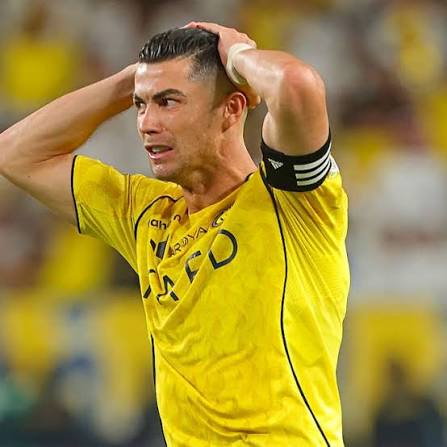
European club football has reached one of its most revealing stages of the year, when the glamour of the new season is still weeks away but the stakes already feel real. On August 4, the 2026 27 qualification rounds for the UEFA Champions League and Europa League moved deeper into their decisive summer rhythm, while high profile international friendlies featuring AS Roma, Lyon and Bayern Munich offered an early glimpse of how clubs are shaping form, fitness and identity before the autumn campaign arrives.
The summer stage before the main event
For supporters, this is the period that asks for patience and rewards close attention. The shirts are new, the squads are still in motion, and the matches may lack the polished certainty of Champions League nights in spring. Yet these August fixtures matter. They decide who gets a seat at Europe’s most prestigious table, and they test the habits, intensity and resilience of teams trying to avoid a hurried start to the season.
UEFA’s qualification calendar has been running since July, but the opening days of August marked a decisive turn. The Champions League third qualifying round entered its first legs on August 4 and 5, with the second legs set for August 11 and 12, while the Europa League third qualifying round begins on August 6 and continues with return fixtures on August 13. UEFA’s official schedules show the qualification phase stretching through late August, when the last play off ties will determine the final entrants to the league phase.
[uefa](https://www.uefa.com/uefachampionsleague/news/02a6-20e5a8be4e63-ae971c582f8c-1000–champions-league-qualifying-fixtures-results-dates-how-it-/)
Why these matches matter
These are not ceremonial warm ups. They are the gatekeepers to financial stability, international exposure and competitive credibility. For clubs from smaller leagues, a single successful tie can change a budget, a recruitment plan and even a season’s ambition. For clubs from stronger leagues that enter later, the playoff rounds still carry pressure because one misstep can send a campaign off balance before it has truly begun.
[uefa](https://www.uefa.com/uefachampionsleague/news/02a6-20e5a8be4e63-ae971c582f8c-1000–champions-league-qualifying-fixtures-results-dates-how-it-/)
The Champions League qualification path is especially compressed now. UEFA’s own calendar shows the process beginning in early July and ending with the playoff round in late August, with the league phase draw scheduled for August 27. The Europa League follows a similar late summer arc, with its league phase draw set for August 28. That leaves clubs little room to breathe, and even less room to hide weak points in squad depth or conditioning.
[uefa](https://www.uefa.com/uefachampionsleague/news/02a6-20e5a8be4e63-ae971c582f8c-1000–champions-league-qualifying-fixtures-results-dates-how-it-/)
Preseason friendlies set the tone
While qualifying fixtures carry consequence, preseason friendlies serve a different but no less important purpose. They are rehearsal spaces, places where managers can experiment, integrate new signings and restore rhythm after the summer break. On August 4, that broader preparation was visible in the involvement of Roma, Lyon and Bayern Munich, three clubs whose summer schedules have drawn attention well beyond their domestic leagues.
[asroma](https://www.asroma.com/en/news/75586/pre-season-here-is-the-summer-friendlies-schedule)
AS Roma’s preseason itinerary has already included a match at Newport, part of a wider schedule built to sharpen the squad ahead of the new Serie A season. Bayern Munich, meanwhile, are balancing their own preparations with a demanding domestic and European calendar, and their summer fixtures have attracted strong interest because of the club’s status and the expectations that follow them everywhere. Lyon’s presence in the international preseason conversation is similarly significant, given the club’s role in French football and the value of these matches for rebuilding momentum.
[asroma](https://www.asroma.com/en/news/75586/pre-season-here-is-the-summer-friendlies-schedule)
What managers are really looking for
- Fitness levels that can survive the first competitive weeks.
- Clear tactical patterns that players can repeat under pressure.
- Fast integration for new arrivals and returning internationals.
- Signs that defensive spacing, pressing triggers and set pieces are already taking shape.
The emotional weight of August football
There is something uniquely honest about football in early August. The grass still looks sharp, the weather can feel heavy, and the stands often carry a mix of optimism and caution. Coaches speak in measured tones because they know the season is not won now, but it can be damaged now. Players, for their part, are often straddling two rhythms at once, trying to rediscover match sharpness while avoiding the kind of strain that can linger into September.
For fans, that tension is part of the appeal. A qualifying tie in a compact stadium can feel more intimate than a glamour clash in spring, and a preseason friendly can reveal more about a manager’s thinking than a polished 3 0 win ever could. We watch for body language, for substitutions, for the chemistry of a back line or the first touch of a new striker. These details matter because they are the first real clues to what the season might become.
Europe’s calendar is already crowded
UEFA’s current schedule leaves no doubt that the 2026 27 campaign is arriving quickly. The Champions League third qualifying round precedes the playoff round in late August, and the Europa League’s final qualification ties will also be settled before the month is over. After that, the league phase draws will frame the autumn, and clubs will shift from summer preparation to the relentless cadence of midweek European football.
[uefa](https://www.uefa.com/uefachampionsleague/news/02a6-20e5a8be4e63-ae971c582f8c-1000–champions-league-qualifying-fixtures-results-dates-how-it-/)
That crowded calendar also helps explain why these August matches feel so compressed and so important. There is little transition time anymore. Teams are expected to go from training ground work to decisive continental fixtures almost immediately, which magnifies every mistake and every positive sign. It is the kind of environment where discipline can be as valuable as talent.
What to watch next
As the qualification rounds continue, I would keep a close eye on three things: whether underdog clubs can protect narrow advantages, whether larger clubs can show authority without overextending key players, and whether preseason squads appear balanced enough to survive a long autumn. The margin for error is thin, and August has a way of revealing truths that can stay hidden during training camps.
For readers tracking the official competition timelines, UEFA’s own competition pages provide the clearest route through the remaining qualification dates and draws. The Champions League qualification schedule is outlined on the UEFA Champions League qualifying page, while the Europa League calendar is detailed on the UEFA Europa League competition page.
[uefa](https://www.uefa.com/uefachampionsleague/news/02a6-20e5a8be4e63-ae971c582f8c-1000–champions-league-qualifying-fixtures-results-dates-how-it-/)
What begins as a summer administrative process can quickly turn into one of football’s defining pressure tests. By the end of August, several clubs will have earned their place in Europe. Others will already be facing the disappointment that comes from falling just short. That is the harsh beauty of this stage: it is early, but it is never trivial.