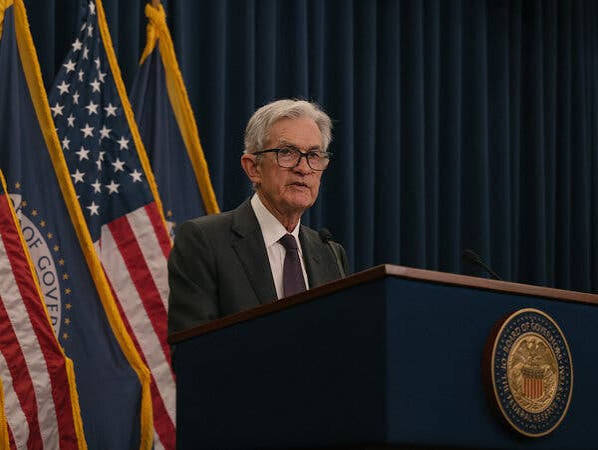
Stock markets surged on August 7, 2026, after a stunning employment report revealed that U.S. employers unexpectedly cut 23,000 jobs in July, while revisions to prior months erased an additional 103,000 positions from the payroll tally. The data, released by the Bureau of Labor Statistics, sent shockwaves through financial markets, prompting traders to sharply increase bets that the Federal Reserve will pivot toward a more accommodative stance in the coming months.
[nbcnews](https://www.nbcnews.com/business/economy/july-2026-jobs-report-rcna591138)
For investors who have endured months of uncertainty over the direction of interest rates, the report offered a clear, if sobering, signal: the labor market is cooling faster than anticipated, and the central bank may soon have little choice but to respond. Wall Street responded with enthusiasm, sending the S&P 500 and Nasdaq Composite to session highs as bond yields tumbled and rate sensitive sectors led the advance.
[reuters](https://www.reuters.com/business/us-rate-futures-cut-chances-september-rate-hike-after-jobs-data-2026-08-07/)
The Employment Report That Changed the Narrative
The July nonfarm payrolls figure stood in stark contrast to economist expectations, which had called for a modest gain of 80,000 to 83,000 jobs. Instead, the economy shed 23,000 positions, a reversal that caught analysts off guard and raised immediate questions about the underlying health of the labor market.
[nbcnews](https://www.nbcnews.com/business/economy/july-2026-jobs-report-rcna591138)
The disappointment extended beyond the headline number. Revisions to May and June payrolls revealed that job growth in those months had been substantially weaker than previously reported, with a combined downward adjustment of 103,000 positions. This means that the labor market has not merely slowed but has actually contracted over the past several months, a development that carries significant implications for economic growth, consumer spending, and inflation dynamics.
[kpmg](https://kpmg.com/us/en/articles/2026/july-2026-jobs-report.html)
Private sector employment added just 30,000 jobs, while public sector payrolls fell by 53,000, driven largely by temporary census related hiring that has now unwound. Within the private sector, the picture was uneven. Health care continued to add workers, but leisure and hospitality lost 40,000 jobs, compounding a 43,000 position drop in June. Federal payrolls declined by 3,000, reflecting ongoing staffing challenges and constrained hiring despite approved funding for new positions.
[kpmg](https://kpmg.com/us/en/articles/2026/july-2026-jobs-report.html)
Markets React with Relief and Repricing
The immediate market reaction was swift and decisive. Interest rate futures swung sharply, with the probability of a Federal Reserve rate hike in September falling from 57 percent before the report to just 43.9 percent afterward. Conversely, the odds that the Fed would hold rates steady at its next meeting rose to 60.4 percent, up from 43.2 percent.
[reuters](https://www.reuters.com/business/us-rate-futures-cut-chances-september-rate-hike-after-jobs-data-2026-08-07/)
Bond markets told a similar story. The yield on the 10 year Treasury note dropped more than 10 basis points, reflecting increased demand for safe haven assets and growing expectations that the Fed will pause or even reverse its tightening cycle sooner than previously anticipated. The dollar weakened against major currencies, including the yen and euro, as traders adjusted their positions in light of the new data.
[reuters](https://www.reuters.com/world/asia-pacific/dollar-drifts-higher-traders-eye-iran-talks-ahead-us-jobs-data-2026-08-07/)
Equity markets rallied across the board. The Dow Jones Industrial Average climbed more than 400 points, while the S&P 500 and Nasdaq Composite posted gains of 1.2 percent and 1.8 percent respectively. Rate sensitive sectors like technology, real estate, and utilities outperformed, as investors anticipated that lower borrowing costs would provide a tailwind for growth stocks and capital intensive industries.
[reuters](https://www.reuters.com/business/us-rate-futures-cut-chances-september-rate-hike-after-jobs-data-2026-08-07/)
What This Means for Fed Policy
The employment report has fundamentally altered the calculus for Federal Reserve policymakers. Just days before the release, the consensus view among economists was that the Fed would maintain its current policy stance, with some even speculating about the possibility of another rate hike to combat persistent inflation. Now, the conversation has shifted dramatically toward the likelihood of a pause, or even a cut, in the coming months.
[investing](https://www.investing.com/analysis/rates-outlook-more-guidance-from-jobs-data-than-the-fed-200685394)
Fed officials have repeatedly emphasized their dual mandate of promoting maximum employment and maintaining price stability. With the labor market showing clear signs of weakness, the employment side of that equation now demands attention. Inflation has been trending downward, and while it remains above the Fed’s 2 percent target, the pace of decline has been steady. A cooling labor market could accelerate that trend by reducing wage pressures, which have been a key driver of services inflation.
[cnbc](https://www.cnbc.com/2026/07/03/fed-rate-hikes-unlikely-weaker-us-jobs-data-oil-prices.html)
Market participants are now pricing in a roughly 80 percent probability of a rate cut in September, up from just 40 percent before the jobs data. This repricing reflects a growing belief that the Fed will prioritize supporting employment over further tightening, especially if subsequent data confirm that the labor market is indeed deteriorating.
[morningstar](https://www.morningstar.com/economy/fed-expectations-shift-sharply-weak-july-jobs-report)
The Broader Economic Context
While the July employment report was undeniably weak, it is important to view it within the broader context of the economic cycle. The U.S. labor market has been remarkably resilient over the past two years, weathering multiple interest rate hikes, geopolitical shocks, and sector specific disruptions. Even with the latest setback, the unemployment rate remains near historic lows at 4.1 to 4.2 percent, and job openings continue to outnumber unemployed workers in many industries.
[nbcnews](https://www.nbcnews.com/business/economy/july-2026-jobs-report-rcna591138)
That said, the composition of job growth has shifted. The economy is no longer adding jobs at the blistering pace seen in 2024 and early 2025. Instead, we are in what some analysts describe as a low hire, low fire environment, where businesses are cautious about both expanding and contracting their workforces. This dynamic can persist for an extended period, but it also leaves the economy vulnerable to external shocks that could tip the balance toward more significant layoffs.
[kpmg](https://kpmg.com/us/en/articles/2026/july-2026-jobs-report.html)
Layoffs announced in July totaled 33,429, down 27 percent from June and 46 percent below the same month a year earlier, according to Challenger, Gray & Christmas. So far in 2026, layoffs are 41 percent lower than they were at this point in 2025, suggesting that while the labor market is cooling, it is not yet in crisis mode.
[wsj](https://www.wsj.com/livecoverage/july-jobs-report-stock-market-08-07-2026/card/ZHsnXjPtMtCks1jLnW3K)
Implications for Investors and Consumers
For investors, the shifting Fed outlook creates both opportunities and risks. Rate sensitive assets like growth stocks, real estate investment trusts, and long duration bonds are likely to benefit from lower yields, while financials and other sectors that thrive in a higher rate environment may face headwinds. Diversification remains key, as the path forward is far from certain and could change quickly depending on incoming data.
[reuters](https://www.reuters.com/business/us-rate-futures-cut-chances-september-rate-hike-after-jobs-data-2026-08-07/)
For consumers, the implications are more immediate. Mortgage rates, which have been elevated for much of 2026, could begin to ease if the Fed signals a more dovish stance. Auto loans, credit card rates, and other forms of consumer credit may also become more affordable, providing relief to households that have been stretched by higher borrowing costs.
[cnbc](https://www.cnbc.com/2026/07/03/fed-rate-hikes-unlikely-weaker-us-jobs-data-oil-prices.html)
However, a weakening labor market also carries risks for job security and wage growth. If employers continue to pull back on hiring or begin to cut positions more broadly, unemployment could rise more quickly than currently anticipated. This would have a direct impact on household incomes and consumer spending, which accounts for roughly 70 percent of U.S. economic activity.
[nbcnews](https://www.nbcnews.com/business/economy/july-2026-jobs-report-rcna591138)
What to Watch Next
Investors and policymakers alike will be closely monitoring upcoming economic releases for confirmation that the labor market slowdown is broadening or stabilizing. The Consumer Price Index, due later in August, will provide additional insight into inflation trends and could further influence Fed expectations. Wage growth data, embedded in the employment report, will also be scrutinized for signs of easing or persistence.
[tradingkey](https://www.tradingkey.com/analysis/commodities/metal/262087994-gold-price-forecast-july-nfp-report-approaching-gold-prices-continue-rise-after-reaching-4300-tradingkey)
Fed officials are scheduled to speak throughout the month, and their comments will be parsed for any hints about the central bank’s next move. While the Fed typically avoids reacting to a single data point, the magnitude of the July surprise may force a reassessment of the policy outlook sooner than previously expected.
[reuters](https://www.reuters.com/business/us-rate-futures-cut-chances-september-rate-hike-after-jobs-data-2026-08-07/)
For those tracking market developments, resources like the Reuters business section offer real time updates on economic data, Fed communications, and market reactions, while platforms like CNBC provide expert analysis and commentary on the implications for investors and the broader economy.
[reuters](https://www.reuters.com/business/us-rate-futures-cut-chances-september-rate-hike-after-jobs-data-2026-08-07/)
A Turning Point or a Temporary Blip
The question now is whether the July employment report marks a genuine turning point for the labor market or merely a temporary setback driven by seasonal factors and one off disruptions. The answer will have profound implications for economic growth, inflation, and the trajectory of interest rates in the months ahead.
For Wall Street, the rally on August 7 was a vote of confidence in the Fed’s ability to navigate a soft landing, balancing the need to control inflation with the imperative of supporting employment. For Main Street, the stakes are higher. A sustained slowdown in hiring could mean tighter budgets, delayed purchases, and increased anxiety about job security for millions of American workers.
[reuters](https://www.reuters.com/business/us-rate-futures-cut-chances-september-rate-hike-after-jobs-data-2026-08-07/)
We are entering a critical phase of the economic cycle, one in which data will matter more than ever. The Fed’s next move will depend not on rhetoric or projections but on the hard numbers that emerge in the coming weeks and months. For now, the market has chosen optimism, betting that the central bank will act decisively to support the economy if needed. Whether that bet pays off remains to be seen, but one thing is certain: the narrative has changed, and the path forward is far less certain than it appeared just 24 hours ago.
[reuters](https://www.reuters.com/business/us-rate-futures-cut-chances-september-rate-hike-after-jobs-data-2026-08-07/)