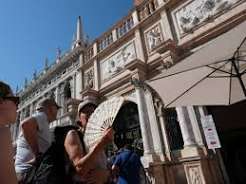
Italy placed all 27 major cities monitored by its national heat surveillance system on the highest heat alert on August 7, 2026, as record temperatures spread across Central Europe and emergency health warnings reached millions of people. Slovakia recorded a national temperature record while Austria also reported exceptional heat, forcing authorities to prepare hospitals, protect vulnerable residents and warn the public that heat stress can affect healthy people as well as older adults and those with existing medical conditions.
Italy reaches its highest warning level
The red alert extended from Trieste in the northeast to Palermo in Sicily, covering large cities including Rome, Milan, Florence, Naples, Venice and Turin. It was the first time this year that every city in Italy’s heat monitoring network reached the highest warning level at the same time.
An Italian red alert indicates a possible health emergency caused by prolonged extreme temperatures. Unlike lower warning categories, it applies to the entire population rather than only people considered especially vulnerable. Authorities urged residents to avoid direct sunlight during the hottest hours, remain indoors where possible and drink enough fluids throughout the day.
[reuters](https://www.reuters.com/business/environment/italy-puts-all-major-cities-highest-alert-heatwave-intensifies-2026-08-04/)
Forecast highs approached 40 degrees Celsius in several areas. Florence and Naples were expected to reach 39 degrees, while Rome and Milan faced highs near 38 degrees. Venice and Palermo were forecast to reach about 37 degrees. In cities built around stone streets, crowded plazas and limited shade, those temperatures can make ordinary activities such as walking to a train station or waiting for a bus physically demanding.
Heat can also remain dangerous after sunset. Buildings absorb the day’s warmth and release it slowly through the night, reducing the body’s opportunity to recover. Poor sleep, dehydration and repeated exposure can leave people more vulnerable the next day, even when afternoon temperatures appear slightly lower.
Central Europe records exceptional heat
The weather system moved beyond Italy and affected much of Central and Eastern Europe. Slovakia reached approximately 42 degrees Celsius, setting a national temperature record. Austria recorded about 41.2 degrees in Bad Deutsch Altenburg, while high temperatures also spread across parts of the Czech Republic, Poland, Hungary and the Balkans.
[theguardian](https://www.theguardian.com/world/2026/aug/07/extreme-heat-breaks-temperature-records-central-eastern-europe)
Such temperatures put pressure on public services that are not designed for prolonged extreme heat. Electricity demand rises as homes, hospitals and businesses use more cooling. Rail lines can face restrictions, roads may soften or deform and low water levels can interfere with river transport and power generation.
Several countries also faced elevated wildfire danger. Hot, dry conditions can turn grasslands, forests and agricultural areas into sources of rapidly spreading fire. Smoke can affect air quality far from the flames, creating added problems for people with asthma, chronic lung disease or cardiovascular conditions.
Emergency health actions expand
Health agencies urged local governments to activate heat response plans. Those measures can include checking on people who live alone, opening cooling centers, extending medical staffing and distributing water in crowded public areas. Hospitals may also prepare for more patients experiencing dehydration, heat exhaustion and heatstroke.
Care homes, schools, construction sites and outdoor workplaces face particular pressure. Staff members may need to change schedules, move activities indoors and monitor people more closely. Children can become dehydrated quickly because they may not recognize the early signs of heat stress, while older adults may not feel thirst as strongly as they normally do.
The World Health Organization identifies extreme heat as a serious public health threat and advises people to stay cool, drink fluids and seek help when symptoms become severe. The Italian Ministry of Health also provides national guidance through its official health information service.
Warning signs to recognize
- Heavy sweating, weakness, dizziness or a persistent headache.
- Nausea, muscle cramps, unusual tiredness or faintness.
- Confusion, loss of coordination or behavior that seems out of character.
- Hot skin, seizures or loss of consciousness, which may indicate heatstroke.
Anyone showing signs of heatstroke needs urgent medical attention. Move the person to a cooler location, call the local emergency service and stay with them while assistance is coming. Do not assume that a person will recover simply by sitting in the shade if confusion or unconsciousness is present.
Why healthy people are also at risk
People often associate heat emergencies with age or chronic illness, but the Italian alert applies to everyone because prolonged high temperatures can overwhelm the body’s cooling system. A young traveler who spends hours walking, drinks alcohol and sleeps poorly may be at serious risk even without a previous medical diagnosis.
Exercise increases the danger because muscles produce additional heat. Outdoor workers, athletes, delivery drivers and emergency personnel may have limited opportunities to rest. Protective clothing can make cooling more difficult, while direct sunlight adds another layer of stress.
Medication can also affect heat tolerance. Some treatments change sweating, blood pressure, kidney function or the body’s management of fluids. People who take prescription medicine should ask a doctor or pharmacist whether special precautions are necessary rather than stopping treatment on their own.
Practical steps for residents and visitors
Authorities advised people to avoid direct exposure between 11 in the morning and 6 in the evening, when conditions are often most severe. The safest plan is to complete strenuous activities early in the day, rest during the afternoon and use evening hours for errands or outdoor visits.
- Drink water regularly instead of waiting until thirst becomes intense.
- Wear loose clothing, a hat and light colored fabric when outside.
- Use air conditioning, fans or a cool public building when indoor heat rises.
- Avoid alcohol and limit drinks that can worsen dehydration.
- Check on neighbors, relatives and friends who may be isolated.
- Never leave a child, older adult or pet in a parked vehicle.
Travelers should keep water, medicine and a phone charger easily available. Tour operators may move walks to early morning or evening, shorten routes or replace exposed attractions with museums and other indoor locations. Visitors should check transport information before leaving their accommodation because heat can affect trains, roads and airport operations.
Heat affects cities and infrastructure
Urban areas can become several degrees hotter than nearby rural locations because asphalt, concrete and building walls retain heat. Cities with dense construction and limited tree cover may offer little relief even when a breeze develops. Public fountains, shaded parks and cooling centers therefore become important parts of a city’s emergency response.
High temperatures also increase demand for electricity as residents and businesses operate cooling equipment. If power systems become strained, authorities may ask consumers to reduce usage during peak periods. A power interruption during an extreme heat event can be dangerous for hospitals, care homes and people who depend on medical devices.
Transport networks face related challenges. Rail operators may impose speed restrictions to protect tracks, while airports can experience delays when aircraft performance is affected by hot air. Drivers should carry water and avoid leaving people or animals inside vehicles during stops.
A warning for the rest of summer
The current heatwave is not only a short weather story for people in Italy, Slovakia and Austria. It is a test of how cities prepare for repeated periods of extreme heat during the busy travel season. European authorities must coordinate weather alerts, health services, transport agencies and tourism providers so that warnings reach people before they are already in danger.
For the public, the most useful response is neither panic nor denial. Check official alerts, adjust plans, take heat symptoms seriously and give the body time to recover. A tourist can still enjoy a summer evening in Rome, Vienna or Bratislava, but a long afternoon under direct sunlight may no longer be a reasonable part of the itinerary.
As the heat spreads and records fall, the central message from health officials remains simple: stay cool, drink water, avoid the hottest hours and seek urgent help when confusion, fainting or severe weakness appears. Extreme heat can arrive quietly, but early action can prevent a dangerous day from becoming a medical emergency.