Fitch Ratings has warned that its 2026 Brent crude oil forecast of $87 a barrel faces growing downside risk as shipments through the Strait of Hormuz stabilize, global inventories remain comfortable and a renewed supply surplus is expected later this year. The agency has not yet reduced its annual forecast, but its updated outlook points to a market that may move sharply lower once disrupted Middle Eastern production and exports return to normal.
Fitch keeps its annual forecast for now
Fitch’s base case still calls for Brent crude to average $87 a barrel in 2026. The forecast already includes a substantial premium for geopolitical risk, including the possibility of renewed fighting or a brief period of direct conflict in the Middle East.
That assumption has protected the forecast from becoming overly optimistic about the return of supply. Fitch had expected Brent to average approximately $110 a barrel in June and $100 a barrel in July, but actual prices were closer to $84 a barrel in both months. The gap between those assumptions and market performance is one reason the agency now says risks are tilted lower.
[mettisglobal](https://mettisglobal.news/Fitch-sees-downside-risks-to-its-87barrel-Brent-forecast-for-2026-62507)
Fitch’s fourth quarter view is considerably weaker than its full year average. The agency expects Brent to fall toward $70 a barrel during the final quarter of 2026 if Middle Eastern production and exports recover quickly and the global market returns to surplus.
The distinction between an annual forecast and a quarter end forecast is important. A strong price spike earlier in the year can lift the average even when crude trades at much lower levels later. A decline to $70 would therefore be consistent with an annual average of $87 if prices remain elevated for part of the year.
Hormuz shipments reduce immediate pressure
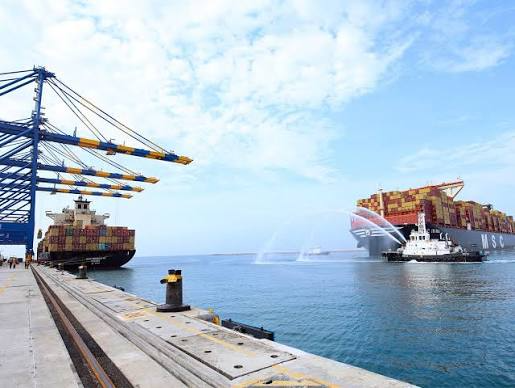
The Strait of Hormuz is a vital energy route linking producers in the Persian Gulf with customers across Asia, Europe and other regions. Any interruption can remove large volumes of oil from the market within days, forcing refiners and governments to rely on stored supplies while traders bid up available cargoes.
Fitch said additional shipments during a temporary reopening in June helped offset the effect of the earlier disruption. The agency also expects supply to recover rapidly once hostilities ease. That expectation has changed the market’s focus from immediate scarcity to the possibility of too much crude being available later in the year.
Oil traders often respond to physical supply risks before the full impact appears in official inventory data. Tankers may be delayed, insurance costs may rise and buyers may seek alternative cargoes even when production continues. Once shipping routes become more reliable, those emergency purchases can unwind quickly, leaving a market with more available barrels than expected.
The official Fitch Ratings research platform remains the primary place for updates to the agency’s published assumptions and risk analysis.
Inventories give buyers more room
Healthy global inventories are another reason Fitch sees pressure building on prices. Large stockpiles provide refiners and governments with a buffer when shipments are delayed. They also reduce the urgency to bid aggressively for each new cargo.
Inventories do not guarantee low prices. A sudden military escalation, severe weather event or major production failure can consume stockpiles quickly. Still, a market with comfortable storage is less vulnerable to a short disruption than a market that begins with little spare supply.
Stock levels also affect the psychology of the oil market. When traders see tanks, pipelines and floating storage holding more crude, they are less likely to pay a large premium for future delivery. That can weaken both spot prices and futures contracts, especially if demand is not growing quickly enough to absorb new production.
Oversupply may return from September
Fitch expects the global oil market to return to oversupply from September. Its forecast rests on several developments: a recovery in Middle Eastern output, a faster return of exports, an OPEC strategy focused more on production volume and continued growth from producers outside the group.
Even a modest increase in supply can have a large price effect when demand growth is slow. Oil is traded in a global market, and the difference between balanced conditions and surplus may be only a small share of total daily consumption. Once that surplus begins to accumulate, producers may compete more aggressively for buyers.
The International Energy Agency has also projected a sizable global supply surplus for 2026, although forecasts differ across institutions and depend heavily on OPEC policy, demand in China and the pace of economic growth.
[energynow](https://energynow.com/2026/02/global-oil-demand-to-rise-more-slowly-as-prices-rally-iea-says/)
OPEC and its partners can limit the effect of excess supply by reducing output or delaying planned increases. Yet production policy involves competing priorities. Members may want to defend prices, but they also need revenue and market share. A volume focused strategy would make Fitch’s forecast of lower prices more likely.
Consumers may feel relief, but producers face pressure
Lower crude prices can provide relief to households and businesses. Cheaper oil can reduce gasoline, diesel and jet fuel costs, although retail prices respond with delays and also reflect taxes, refining margins, transportation expenses and currency movements. Lower energy costs may help moderate inflation in countries that import large quantities of fuel.
Transport companies, manufacturers and farmers may benefit from reduced operating expenses. Airlines could see some improvement in fuel costs, while delivery firms and heavy industry may gain more room in their budgets. The benefit is not automatic because companies may use lower costs to repair balance sheets rather than reduce prices immediately.
Oil producers face the opposite pressure. A fall toward $70 a barrel could weaken profits, reduce cash available for new drilling and make high cost projects less attractive. Smaller producers may be more vulnerable if they have heavy debt or operate in fields that require expensive extraction methods.
Oil exporting governments may also need to adjust spending plans. Large public budgets built around higher crude prices can become difficult to maintain when energy revenue declines. The effect will vary by country because some producers have financial reserves, lower production costs or diversified economies.
Risks still run in both directions
Fitch’s warning does not mean the oil market has become permanently bearish. The agency’s forecast includes a clear geopolitical premium because the situation around the Strait of Hormuz remains capable of changing quickly.
- A renewed closure or serious threat to shipping could send Brent sharply higher.
- Damage to production facilities could remove supply for longer than expected.
- A wider regional conflict could increase insurance, freight and energy costs.
- A stronger global economy could lift demand beyond current projections.
- OPEC action to restrict output could slow or prevent a surplus.
These risks explain why Fitch has retained its $87 annual assumption rather than cutting it immediately. The agency sees more room for prices to fall, but it also recognizes that a single geopolitical event could reverse the market’s direction within hours.
What to watch next
Investors and energy companies will be watching tanker movements, official production data, inventory reports and statements from OPEC members. Evidence that Middle Eastern exports are returning steadily would support the lower price outlook. Signs of renewed disruption would strengthen the case for keeping a large geopolitical premium in crude.
Demand will be equally important. Slower industrial activity, weaker transport use or a deeper economic downturn could increase the surplus. Stronger growth in Asia or a recovery in manufacturing could absorb more barrels and keep prices above Fitch’s fourth quarter assumption.
For now, the message from Fitch is measured rather than dramatic. The agency still sees an $87 average for Brent in 2026, but the market has more supply protection than it did during the height of the Hormuz disruption. If shipping remains stable, inventories stay healthy and production recovers as expected, crude could face a difficult final quarter and consumers may finally feel some relief at the pump.