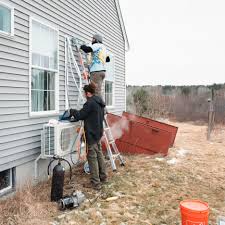
Record heatwaves are changing the way homeowners think about their houses, with residential building supply networks across Europe and North America reporting stronger demand for reflective cool roof coatings, thermal efficiency upgrades, and smart heat pump systems. The shift reflects a practical reality that many families are experiencing firsthand: when outdoor temperatures remain high for days, a home that once felt comfortable can quickly become difficult and expensive to cool.
Heatwaves Are Turning Home Retrofitting Into a Priority
For many homeowners, climate adaptation used to mean thinking about insulation, efficient windows, or lower energy bills over the long term. Extreme heat is making those decisions feel much more immediate. Rooms can remain warm well after sunset, upper floors can become uncomfortable, and air conditioning systems may operate for hours without delivering the relief families expect.
The growing interest in residential retrofits is therefore not simply about improving energy performance. It is also about keeping homes safer and more comfortable during periods of prolonged heat. A roof exposed to intense summer sunlight can absorb substantial amounts of solar radiation, while poorly insulated walls, windows, and ceilings allow heat to move into living spaces.
Cool roof coatings are attracting particular attention because they can be applied to existing roofs without requiring homeowners to replace the entire structure. These reflective materials are designed to send more sunlight away from the roof surface and reduce the amount of heat absorbed by the building.
Why Cool Roof Coatings Are Gaining Attention
A conventional dark roof can become extremely hot under direct sunlight. That heat can gradually move through the roof assembly and increase indoor temperatures, particularly in homes with limited insulation or older construction.
Reflective roofing products approach the problem differently. By reflecting a greater share of incoming solar energy, a cool roof can reduce surface temperatures and lower the amount of heat transferred into the building. The effect can be particularly useful in warm climates where roofs receive intense sunlight for much of the day.
For homeowners considering a retrofit, the most important question is not simply whether a coating is labeled reflective. Roof condition, material, color, insulation, ventilation, local climate, and installation quality all influence the result.
Homeowners should consider several factors before investing:
- Whether the existing roof is structurally sound enough for a coating
- The product’s solar reflectance and thermal emittance performance
- Compatibility between the coating and the existing roofing material
- Expected service life and maintenance requirements
- Local building regulations and available energy efficiency incentives
A reflective coating can be useful, but it should be viewed as one part of a complete building efficiency strategy rather than a substitute for adequate insulation or proper ventilation.
Smart Heat Pumps Are Becoming Part of the Same Conversation
The second major retrofit trend involves heat pumps. Unlike traditional heating systems that generate heat through combustion, heat pumps move thermal energy from one location to another. Many modern systems can provide both heating and cooling, making them especially attractive to households facing increasingly variable seasonal temperatures.
Smart controls are adding another layer of efficiency. Connected heat pump systems can adjust operation according to indoor temperature, household schedules, outdoor conditions, and energy demand. Instead of operating at maximum output whenever a room becomes uncomfortable, an appropriately sized system can modulate its performance to maintain a more stable indoor environment.
That matters during heatwaves because cooling demand can place significant pressure on household electricity consumption. A system that responds intelligently to changing conditions may help reduce unnecessary energy use while keeping indoor temperatures within a comfortable range.
The Retrofit Works Best as a Whole House Strategy
One of the biggest lessons from building science is that individual technologies work best when they are considered as part of the entire building envelope. Installing a highly efficient heat pump in a poorly insulated house can limit the system’s performance. Similarly, applying a reflective roof coating may provide less benefit if large amounts of heat enter through inefficient windows or uninsulated walls.
We should therefore think about thermal efficiency as a chain. If one part of the chain is weak, the overall result can suffer.
A practical home retrofit assessment can examine:
- Roof reflectivity and insulation
- Attic ventilation and insulation levels
- Window performance and solar shading
- Wall insulation and air leakage
- Heating and cooling equipment efficiency
- Thermostat and smart control settings
- Indoor humidity and ventilation
This approach can help homeowners spend money where it is most likely to produce meaningful improvements rather than purchasing isolated technologies without addressing the underlying causes of indoor heat.
Older Homes Face a Particularly Difficult Challenge
Europe and North America contain millions of homes constructed long before extreme heat became a major consideration in building policy. Older houses may have thick masonry walls, outdated windows, insufficient insulation, aging ventilation systems, or roofs that were designed primarily to withstand rain and cold rather than prolonged periods of intense sunlight.
Retrofitting these buildings can be complicated. Historic structures may have architectural restrictions. Apartment buildings require cooperation among multiple owners. Rental properties introduce questions about who pays for improvements and who receives the benefit through lower energy costs.
For these reasons, the increase in demand for cooling technologies is likely to be accompanied by a broader discussion about financing and building policy. A homeowner may recognize the need for an efficient heat pump but still struggle with the upfront cost. A landlord may see the long term value of insulation while tenants experience the immediate comfort benefits.
Extreme Heat Is Also an Energy Problem
When temperatures climb, electricity demand often rises as households turn on cooling equipment. If large numbers of homes simultaneously require air conditioning, power networks can experience periods of intense demand.
Residential energy efficiency can therefore have benefits beyond an individual household. A cooler roof, better insulation, efficient windows, and a properly controlled heat pump can reduce the amount of electricity required to maintain comfortable indoor temperatures.
This relationship between buildings and electricity systems is increasingly important for energy planners. The International Energy Agency’s research on energy efficiency provides extensive analysis of how improvements in buildings and energy systems can reduce energy demand and support more resilient communities.
Smart heat pumps may also eventually interact more closely with electricity grids. Systems capable of adjusting operation during periods of high demand could help households maintain comfort while reducing pressure on power infrastructure, particularly when paired with rooftop solar generation or home battery systems.
Cooling Is Becoming a Public Health Concern
The importance of residential cooling goes beyond comfort. Extreme heat can create serious health risks, especially for older adults, young children, people with certain medical vulnerabilities, and individuals living alone.
A home that remains excessively hot overnight can be particularly difficult because the body needs an opportunity to recover after daytime exposure. Poor ventilation and heat trapped inside walls and roofs can prevent indoor temperatures from falling quickly even when outdoor temperatures begin to decline.
That makes building efficiency an important part of heat resilience. Governments and local authorities increasingly have an interest in encouraging measures that help residents maintain safe indoor conditions during extreme weather.
The World Health Organization’s guidance on heat and health highlights the importance of protecting people from excessive heat exposure and preparing communities for periods of dangerous temperatures.
Homeowners Should Look Beyond the Price Tag
The strongest retrofit decision is not always the cheapest product. Homeowners should consider installation quality, expected lifespan, maintenance, energy savings, comfort, and compatibility with the existing building.
A low cost coating that requires frequent replacement may not provide the same long term value as a higher quality system with better durability. Likewise, a heat pump that is too large for a home may cycle inefficiently, while an undersized system may struggle during extreme temperatures.
Professional assessment can help identify these problems before installation. In many cases, improving insulation and sealing air leaks first can reduce the cooling load, allowing a homeowner to select a smaller and more efficient heating and cooling system.
Manufacturers and Contractors Face Rising Demand
The increase in retrofit activity is also creating new pressure across residential supply networks. Manufacturers need to maintain reliable supplies of reflective coatings, heat pump components, controls, insulation products, and other building materials. Contractors face a parallel challenge because specialized installers can become difficult to book during periods of intense demand.
This may encourage greater investment in workforce training. Installing a heat pump correctly requires more than placing equipment on a wall and connecting it to electricity. System sizing, refrigerant handling, airflow, duct design, controls, and building characteristics all influence performance.
Cool roof installation also requires attention to surface preparation, weather conditions, material compatibility, and application procedures. Poor installation can reduce the expected performance of even a technically strong product.
Europe and North America Are Approaching the Challenge Differently
The underlying problem is shared, but housing types, energy systems, regulations, and climate conditions differ considerably across regions. A retrofit strategy that makes sense for a detached home in a hot North American city may require significant adaptation for an older European apartment building.
European markets often contain dense urban housing and historic structures, while North American residential areas include substantial numbers of detached houses with different roof designs and heating systems. These differences mean that climate adaptation cannot rely on a single universal retrofit package.
Local building conditions should determine the most appropriate combination of measures. In some homes, roof reflectivity may provide a meaningful improvement. In others, insulation, exterior shading, window upgrades, or mechanical cooling may deliver greater benefits.
A New Standard for Residential Climate Resilience
The surge in demand for cool roofs and smart heat pumps signals a broader change in how homeowners view their properties. A house is no longer being judged only by its purchase price, appearance, or winter heating performance. Increasingly, its ability to remain comfortable and efficient during extreme summer conditions is becoming part of its long term value.
That shift could influence construction standards, renovation markets, insurance decisions, energy policy, and real estate expectations. Homes that remain comfortable without excessive energy consumption may become increasingly attractive as extreme heat becomes a recurring seasonal concern.
We should also recognize the emotional side of this transition. For families who have spent sleepless nights in overheated bedrooms or watched electricity bills rise during a heatwave, thermal efficiency is not an abstract environmental goal. It is about being able to sleep, work, care for children, and feel safe inside one’s own home.
The Retrofit Boom Could Shape the Next Generation of Homes
The current demand for reflective roofing and intelligent heat pump systems may be an early sign of a much larger residential adaptation movement. As homeowners replace aging equipment and renovate existing properties, climate resilience can become integrated into decisions that would otherwise focus only on appearance or immediate repair.
The most effective approach will combine passive and active measures. Reflective roofs can reduce solar heat gain. Insulation can slow heat transfer. Shading can limit direct sunlight. Efficient windows can reduce unwanted heat entering the building. Heat pumps can provide controlled cooling and heating. Smart systems can coordinate those technologies with household needs and electricity conditions.
For homeowners, the practical lesson is clear. Before choosing a single product, assess how heat enters the building, where energy is being lost, and which improvements can reduce the overall cooling demand. A well planned retrofit can make a home more comfortable while potentially lowering long term energy consumption.
The August 13, 2026 surge in retrofit demand reflects a market responding to a problem that households can physically feel. As heatwaves become a stronger influence on residential decision making, cool roofs, efficient heat pumps, insulation, shading, and smart controls are moving from optional upgrades toward essential components of climate ready housing.