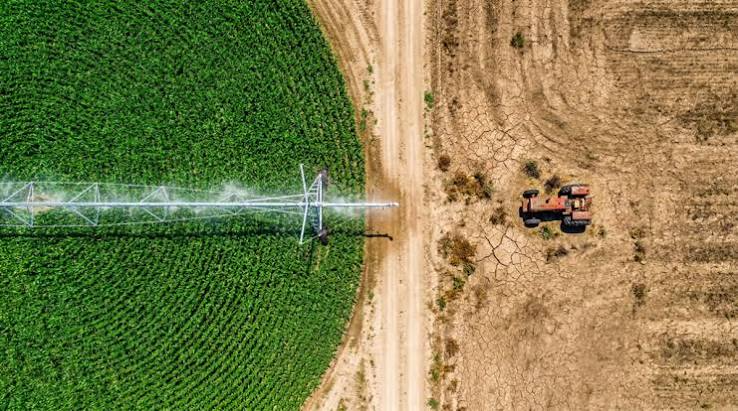
We are witnessing one of the most striking shifts in real asset investing in recent memory. As of August 30, 2026, global agricultural and commercial land indices are flashing a clear signal: money is moving into dirt, and it is moving fast. Major farmland packages spanning the Americas and Asia have landed on sealed bid markets, drawing waves of institutional and private capital eager to secure a stake before prices climb further. For those of us who track land markets closely, this is not a quiet trend. It is a full throated rush, and it tells a story about where investors believe real, tangible value will live over the next decade.
What Is Actually Happening in the Land Market
At its core, the current surge reflects a convergence of pressures that have been building for years. Food security concerns, tightening supply chains, and a renewed appetite for assets that hold intrinsic value rather than speculative promise have all pushed capital toward productive land. When we look at the packages currently going through sealed bid processes, we see grain producing tracts in North and South America sitting alongside orchard and plantation holdings across parts of Asia, all being offered through competitive, closed bidding structures rather than open auctions. This approach tends to attract serious buyers who are willing to commit sight unseen based on due diligence rather than showmanship, and it often results in premium pricing because bidders only get one chance to make their offer count.
Commercial land, meanwhile, is riding a parallel wave. Logistics hubs, data center adjacent parcels, and mixed use development sites are seeing renewed interest as urban expansion resumes in many regions and supply chain reconfiguration continues to reshape where goods are stored and moved. We have spoken with brokers who describe a market where quality parcels rarely sit for long, and where buyer competition has pushed timelines for decision making into tighter and tighter windows.
Why Farmland Is Suddenly the Center of Attention
Farmland has always carried a certain quiet appeal for patient investors, but this cycle feels different in tone and scale. Climate volatility has made productive, well irrigated land scarcer in relative terms, even as global population growth keeps pressure on food demand steady. Investors who once treated farmland as a defensive, low return holding are now describing it as a genuine growth asset, particularly in regions with strong water access and stable land tenure laws. We find this shift meaningful because it suggests a maturing view of agricultural real estate, one that treats soil quality and water rights with the same rigor once reserved for office towers and retail centers.
There is also an emotional dimension here that numbers alone do not capture. Farmers and rural landowners in many of these regions have watched outside capital arrive with a mix of hope and unease. Sealed bid sales can bring welcome liquidity to families who have worked the same ground for generations, yet they can also stir worry about who will steward that land next and whether local communities will retain a voice in how it is used. Responsible investors and policymakers alike would do well to keep that human context in view as transaction volumes climb.
The Forces Driving Investor Demand
Several factors are converging to fuel this appetite, and understanding them helps explain why the momentum shows little sign of slowing.
- Persistent inflation concerns that push capital toward hard assets with intrinsic value
- Supply chain realignment increasing demand for logistics adjacent commercial parcels
- Growing recognition of farmland as a hedge against currency and equity market swings
- Cross border capital seeking geographic diversification outside traditional financial centers
Analysts at established research platforms, including those tracked through Savills global research, have noted that agricultural land values in several key markets have outpaced broader real estate indices over the past two years, a trend that helps explain why sealed bid processes are drawing such intense competition among qualified bidders.
Regional Snapshots Worth Watching
In the Americas, large scale grain and row crop operations continue to command strong bidding activity, particularly in areas with reliable rainfall and established infrastructure for export. Buyers there range from domestic agribusiness consolidators to international pension funds seeking stable, inflation linked returns. Across Asia, the picture is somewhat different but equally dynamic. Plantation land, particularly parcels suited to specialty crops and value added agricultural production, is attracting both regional conglomerates and foreign investors drawn by long term growth in consumer demand across the continent.
What This Means for Everyday Stakeholders
It would be easy to treat this story purely as a matter for large institutions, yet the ripple effects reach much further. Local land values, lease rates for tenant farmers, and even municipal tax bases can shift when large packages change hands quickly. We think it is worth encouraging both buyers and communities to approach this moment with clear eyes. Due diligence should extend beyond soil tests and zoning maps to include honest conversations about water access, labor practices, and long term land use plans. Investors who take that extra step tend to build more durable, better received holdings over time.
For readers considering their own exposure to this trend, whether through direct land ownership, farmland focused funds, or real estate investment trusts with commercial land holdings, patience and careful vetting remain essential. Sealed bid markets move quickly, but sound decisions rarely benefit from rushed judgment. Resources such as market data compiled by the Food and Agriculture Organization can offer a useful starting point for understanding regional land values and agricultural productivity trends before committing capital.
Looking Ahead
We expect this demand to persist through the remainder of 2026, particularly if inflation pressures and food security concerns continue shaping investor psychology. What will be worth watching closely is whether this enthusiasm brings genuine, sustainable investment into agricultural productivity and community infrastructure, or whether it simply drives up prices without delivering broader benefit. That distinction, more than any single sealed bid result, will determine whether this land rush leaves a lasting positive mark on the regions now at its center.