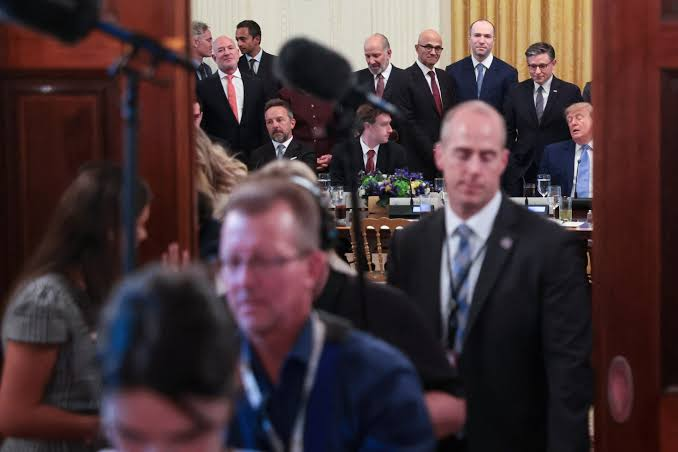
Something significant is unfolding inside federal courtrooms this week, and it deserves more attention than it is currently receiving. As of August 30, 2026, we are watching two distinct but quietly related legal battles escalate at once. One involves jurisdictional fights over regional online gambling licenses, with regulators and operators clashing over who actually has authority to grant, deny, or revoke permission to operate. The other centers on cross border trade framework disputes, where longstanding agreements between nations are being tested in ways that could reshape how goods and services move across borders. Together, these cases signal a period of legal recalibration, one where old assumptions about jurisdiction and authority are being challenged in real time.
The Jurisdictional Fight Over Online Gambling Licenses
Online gambling has grown into a sprawling, multibillion dollar industry, and with that growth has come a tangle of overlapping regulatory claims. At the heart of the current federal challenges is a familiar but increasingly urgent question. When a gambling platform operates across state or national lines, which regulatory body actually holds authority over its license, its compliance obligations, and its right to operate at all. We have seen this tension building for years, but the disputes now reaching federal courts suggest it has finally reached a breaking point.
Regional regulators, many of whom built licensing frameworks under the assumption that online activity would remain largely confined to their own borders, are finding those assumptions strained by platforms that serve customers well beyond any single jurisdiction. Operators, for their part, argue that being subject to multiple, sometimes contradictory sets of rules creates an impossible compliance burden, one that threatens not just profitability but the basic ability to plan a business responsibly. We find ourselves sympathetic to both sides of this argument. Regulators have a legitimate interest in protecting consumers within their borders, particularly given the well documented risks associated with gambling addiction and financial harm. Operators, meanwhile, have a fair point when they note that inconsistent, overlapping rules make good faith compliance nearly impossible to achieve.
Why This Matters Beyond the Gambling Industry
It would be a mistake to treat this as a niche dispute relevant only to casino operators and betting platforms. The underlying legal questions, particularly around how far a regulator’s authority extends when digital services cross physical borders, will likely influence how courts approach jurisdiction in other online industries as well, from fintech to digital streaming to data services. Legal scholars tracking these developments through resources such as the Justia legal information platform have noted that jurisdictional clarity, or the lack of it, tends to ripple outward into adjacent regulatory areas far faster than most people expect.
Cross Border Trade Frameworks Under Pressure
The second major thread running through this week’s legal developments involves disputes over international trade frameworks, the agreements that govern tariffs, quotas, and the terms under which goods and services move between nations. These frameworks are rarely front page news when they function smoothly, which is precisely why disputes over them tend to catch so many people off guard when they finally surface publicly. We think it is worth pausing here to acknowledge how much quiet infrastructure supports everyday commerce, and how disruptive it can feel when that infrastructure suddenly becomes contested ground.
The current disputes appear to center on disagreements over how existing trade commitments should be interpreted and enforced, with parties on different sides accusing one another of failing to honor prior agreements or of applying rules selectively. This kind of disagreement, while technical on its surface, carries real consequences for businesses that depend on predictable trade conditions to plan production, manage inventory, and price goods for consumers. A manufacturer counting on stable tariff treatment for imported components, for instance, can find an entire quarter’s financial projections upended by a single adverse ruling or a prolonged period of legal uncertainty.
The Human Cost of Trade Uncertainty
We want to be honest about something that often gets lost in coverage of trade disputes. Behind every headline about framework violations and jurisdictional challenges are real people, workers on factory floors, small business owners who import specialty goods, families who rely on stable prices for everyday items. When trade frameworks become uncertain, the effects do not stay confined to boardrooms and courtrooms. They show up in shipping delays, in price increases at the register, and in the quiet anxiety of business owners who are not sure whether the rules they built their operations around will still apply next quarter. Organizations like the World Trade Organization continue to serve as a reference point for understanding how these frameworks are supposed to function, even as individual disputes test their limits in practice.
What Comes Next for Businesses and Regulators
Navigating this period of legal uncertainty requires a mix of patience and proactive planning. For businesses operating in the online gambling space, that likely means investing in compliance infrastructure flexible enough to adapt to shifting jurisdictional rulings, rather than betting on any single regulatory interpretation remaining stable for long. For companies engaged in cross border trade, it means building contingency plans that account for the possibility of sudden shifts in tariff treatment or framework interpretation, even when current agreements appear settled.
We would also encourage regulators and policymakers involved in these disputes to keep the broader stakes in view. Legal battles over jurisdiction and trade frameworks are not abstract exercises in interpretation. They shape whether small businesses can survive, whether consumers face fair and consistent protections, and whether international commerce can continue functioning smoothly enough to support the livelihoods that depend on it. A measured, transparent approach to resolving these disputes, one that prioritizes clarity over prolonged ambiguity, will serve everyone better than a drawn out fight that leaves businesses and consumers guessing.
A Moment Worth Watching Closely
What makes this current wave of legal activity notable is not any single ruling or filing, but the pattern it represents. Jurisdictional boundaries that once felt fixed are being actively renegotiated, both in gambling regulation and in international trade. We believe these cases deserve continued attention, not because they are dramatic in the traditional sense, but because their outcomes will quietly shape the rules that govern commerce, both online and across borders, for years to come. Staying informed, and staying prepared for shifting regulatory ground, remains the wisest path forward for anyone with a stake in these industries.