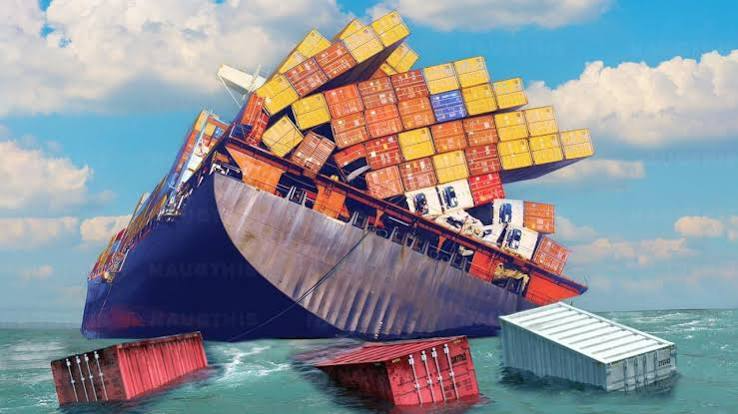
Severe weather and maritime accidents are creating fresh challenges for the global travel industry as transportation systems, tourism destinations and passenger vessel operators confront a more demanding safety environment. As of August 31, 2026, disruptions in popular travel regions are forcing travelers, airlines, ferry operators, cruise companies and tourism authorities to pay closer attention to weather conditions and emergency preparedness. For passengers standing in a crowded terminal waiting for a delayed departure or watching dark storm clouds gather over a coastal destination, these disruptions are more than statistics. They can mean missed connections, canceled holidays, unexpected expenses and difficult decisions about whether it is safe to continue a journey.
Extreme Weather Is Reshaping Travel Planning
Tourism depends heavily on reliable transportation. Flights need functioning airports, ferries need navigable waterways, roads must remain accessible and hotels depend on electricity, water and supply deliveries. When severe weather affects one part of this network, the consequences can quickly spread across an entire destination.
Heavy rainfall, flooding, powerful storms, landslides and other hazardous conditions can close roads, disrupt rail services and limit access to airports or coastal terminals. A traveler may have a valid ticket and a confirmed hotel reservation yet still be unable to reach the destination safely.
We are seeing why weather resilience has become increasingly important for tourism authorities. Popular travel zones can experience a sudden surge in demand during peak seasons, leaving transportation systems with little room for disruption. When severe weather arrives, thousands of visitors may need alternative transportation or temporary accommodation at the same time.
Coastal Tourism Faces a Double Challenge
Coastal destinations are particularly exposed because they depend on both land based infrastructure and maritime transportation. Beaches, islands and waterfront cities attract millions of travelers, but the same geography that makes them appealing can also expose them to storms, flooding and difficult sea conditions.
Ferries and passenger vessels may need to delay departures when visibility falls, waves become dangerous or ports face operational restrictions. Even when a vessel itself remains safe, surrounding infrastructure can prevent normal operations.
For travelers, this creates an uncomfortable balance between patience and uncertainty. A delayed ferry may be frustrating, but a departure made under unsafe conditions can carry far greater consequences. Modern travel planning therefore increasingly requires passengers to treat official weather and transportation updates as part of the journey rather than as an inconvenience.
Maritime Accidents Are Bringing Passenger Safety Back Into Focus
Weather is only one part of the current concern. Maritime accidents involving passenger vessels can trigger international scrutiny because ships frequently operate across borders and carry large numbers of people.
When an accident occurs, investigators may examine vessel maintenance, crew training, emergency procedures, navigation practices, communication systems and compliance with international safety requirements. These investigations can reveal weaknesses that are relevant far beyond the individual vessel involved.
The International Maritime Organization plays a central role in developing international standards for maritime safety and security. Its work is particularly relevant as governments and maritime authorities consider how passenger vessels should meet safety requirements across different jurisdictions.
Passenger Vessel Compliance Is Becoming More Closely Watched
Passenger safety depends on more than having life jackets and lifeboats on board. Operators need systems that function under pressure and crews who know how to use them. Emergency drills, evacuation procedures, fire protection, navigation equipment and communication systems all contribute to the ability of a vessel to respond when conditions deteriorate.
International oversight becomes especially important because passengers may board a vessel without knowing which authority inspected it or which regulatory framework governs its operation. Consistent standards can help reduce gaps between jurisdictions and provide passengers with greater confidence that safety requirements are being applied seriously.
Compliance should also be treated as an ongoing responsibility rather than a one time inspection. A vessel that satisfies requirements at one point can develop mechanical or operational problems later. Regular inspections, maintenance records and transparent safety procedures therefore remain essential.
What Travelers Can Do Before Leaving Home
Travelers cannot control storms or maritime incidents, but they can reduce their exposure to disruption by preparing for changing conditions. A few simple decisions can make a major difference when a transportation network begins to fail.
- Check official weather forecasts before traveling to areas exposed to severe conditions.
- Monitor airline, ferry, cruise and rail updates before leaving for a terminal.
- Keep essential medications, identification and important documents accessible.
- Allow additional time between connecting flights, ferries, trains and other services.
- Keep emergency funds available for unexpected accommodation or transportation.
Travel insurance can also be worth reviewing carefully, particularly for expensive international trips. Coverage varies considerably, so travelers should understand whether policies address weather related cancellations, transportation interruptions and emergency accommodation before purchasing them.
Tourism Businesses Must Prepare for Disruption Too
The responsibility for travel resilience does not fall entirely on passengers. Hotels, tour operators, cruise companies and destination authorities have an important role in preparing for emergencies.
A hotel located in a flood prone area, for example, may need clear evacuation procedures, backup communication systems and plans for protecting guests when roads become inaccessible. Tour operators need contingency arrangements when excursions become unsafe, while cruise operators must continuously evaluate weather conditions and maritime risks.
Tourism businesses can also communicate more effectively with customers during disruptions. Clear information about cancellations, alternative arrangements and safety instructions can reduce confusion at precisely the moment when travelers are most anxious.
Ports and Airports Are Critical Links in the Travel Chain
Transportation hubs often become the pressure points during major disruptions. An airport closure can strand passengers across multiple connecting routes. A port closure can prevent ferries and cruise vessels from arriving or departing, affecting passengers, hotel bookings and local businesses simultaneously.
Infrastructure investment therefore needs to consider the possibility of severe weather interrupting normal operations. Drainage systems, backup power, emergency communications and alternative access routes can help transportation hubs recover more quickly.
For island destinations and remote tourism regions, redundancy is particularly important. If there is only one major airport, ferry terminal or road connecting a destination to the outside world, a single failure can have an outsized economic impact.
Safety Rules Need to Keep Pace With Changing Travel Conditions
Maritime regulation has to address both established safety requirements and the practical challenges created by increasingly unpredictable operating conditions. Passenger vessels may encounter changing weather patterns, crowded ports and complex international routes during the same journey.
Regulators can strengthen safety by requiring rigorous inspections, clear emergency planning and effective crew training. Operators should also maintain accurate records that allow authorities to determine whether required maintenance and safety procedures have actually been completed.
The International Maritime Organization maritime safety framework provides a broad foundation for international work on passenger vessel safety, navigation and emergency preparedness.
The Human Side of Travel Disruptions
Behind every delayed vessel or canceled flight is a person with somewhere to be. A family may have spent months saving for a holiday. A worker may be traveling to attend an important meeting. Someone else may be returning home after visiting relatives they rarely see.
When severe weather interrupts these journeys, the financial and emotional costs can be significant. Missed connections can create additional hotel bills, while cancellations can mean lost reservations and difficult conversations with employers or family members.
That is why communication matters so much during a crisis. Travelers deserve timely information that explains what has happened, what remains uncertain and what options are available. Silence can turn an inconvenience into panic.
Resilient Tourism Requires Cooperation
Extreme weather and maritime safety incidents do not fit neatly into the responsibilities of one organization. Airlines, shipping companies, port authorities, airports, governments, emergency services and tourism businesses all influence whether travelers can remain safe when conditions deteriorate.
Better coordination can allow warnings to reach passengers earlier and help authorities manage disruptions before transportation hubs become overwhelmed. Shared emergency procedures can also make cross border responses more effective when vessels, travelers and infrastructure are connected to several jurisdictions.
Travel Safety Is Becoming Part of the Destination Experience
Tourists traditionally choose destinations based on scenery, culture, accommodation, food and price. Safety and resilience are increasingly becoming part of that decision. Travelers want to know not only what a destination looks like under perfect conditions but also how effectively it responds when circumstances change.
For the travel industry, that creates a strong reason to treat preparedness as a permanent operational priority. Reliable emergency communication, properly maintained vessels, resilient transportation infrastructure and responsible weather monitoring can protect both passengers and the reputation of a destination.
The Industry Faces a Clear Test Ahead
The disruptions being observed in 2026 reinforce a basic lesson about global travel: movement depends on systems that are often invisible until something goes wrong. A storm can close a road. Rough seas can stop a ferry. A maritime accident can trigger international inspections and regulatory reviews. Each event can affect thousands of people who expected an ordinary journey.
We should not interpret these disruptions as a reason to stop traveling. They are a reason to travel with better information and for the industry to prepare more seriously. Stronger maritime oversight, resilient transportation infrastructure, effective emergency planning and transparent communication can help ensure that safety remains the first consideration when conditions become difficult.
As of August 31, 2026, the message for travelers and tourism operators is increasingly clear. Weather cannot be controlled, and accidents cannot always be predicted, but preparation can reduce their consequences. The future of global tourism will depend not only on where people want to go, but also on how safely and reliably the systems carrying them there can respond when nature and circumstance refuse to cooperate.