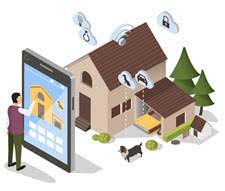
Smart home technology is moving toward a more coordinated approach to household energy management after home automation leaders finalized cross brand standards designed to help connected devices work together to reduce electricity demand. The framework announced on September 3, 2026, aims to make appliances, heating and cooling systems, lighting, batteries, electric vehicle chargers, and other residential technologies respond more intelligently to energy conditions while giving households greater control over consumption and costs.
Smart Homes Move Beyond Convenience
For years, consumers have associated smart home technology with convenience. Lights can be switched on from a phone, thermostats can be adjusted remotely, and appliances can send notifications when a cycle is complete. The new standards point toward a broader purpose: using connected devices as an active part of household energy management.
A modern home can contain dozens of electrical devices that operate independently. During periods of high electricity demand, however, thousands or millions of homes may be drawing power at the same time. Air conditioners begin working harder on a hot afternoon, electric vehicles return from work and start charging, and cooking appliances come online as families prepare dinner.
Universal energy management protocols could allow compatible devices to coordinate their activity instead of responding independently. A thermostat might temporarily adjust its target temperature, an electric vehicle charger could delay charging, or a home battery could supply stored electricity while the wider grid is under pressure.
Why Cross Brand Compatibility Matters
The biggest obstacle to this vision has often been fragmentation. A household may own a smart thermostat from one manufacturer, an electric vehicle charger from another, solar equipment from a third company, and appliances made by several other brands. If those products cannot communicate effectively, the homeowner may have to manage each system separately.
Common standards can reduce that problem by creating shared technical rules for communication and automated energy responses. Instead of asking consumers to choose every product from one ecosystem, the emerging approach allows compatible devices from different manufacturers to participate in the same energy management system.
This distinction matters because consumers generally replace household equipment at different times. Someone may purchase a refrigerator this year, install solar panels later, and add a home battery several years afterward. Cross brand compatibility can make those investments more useful over a longer period.
Devices That Could Participate
The standards could support coordination among a wide range of connected residential equipment, including:
- Smart thermostats and heating systems
- Air conditioning equipment
- Electric vehicle charging systems
- Home batteries and solar energy systems
- Water heaters
- Smart lighting systems
- Connected washing machines and dishwashers
- Energy monitoring and home management platforms
The purpose is not to make every appliance operate continuously under outside control. Instead, compatible systems can respond to defined energy conditions according to settings established by the homeowner and the participating energy service.
How Automated Energy Management Could Work
Imagine a summer afternoon when temperatures rise sharply and electricity demand approaches a daily peak. Under a compatible energy management system, a home could receive a signal indicating that reducing consumption would help ease pressure on the grid.
The home’s connected devices could then respond according to predetermined preferences. The thermostat might make a modest adjustment, the water heater could postpone a heating cycle, and an electric vehicle could wait before beginning a full charge. A home battery could potentially provide stored electricity during the highest demand period.
None of these changes needs to be dramatic. Small adjustments distributed across millions of homes can become meaningful when they happen at the same time. The concept is closely related to demand response, where electricity consumption changes in response to grid conditions.
Resources from the U.S. Department of Energy have highlighted the role of energy efficiency, grid modernization, and flexible electricity consumption in building a more responsive energy system.
Consumers Could See Lower Energy Bills
Energy savings will depend on local electricity prices, household behavior, equipment efficiency, and the programs offered by utilities or energy providers. However, automated control could make it easier for households to avoid unnecessary consumption during expensive or high demand periods.
For many families, the difficulty is not knowing that electricity should be used more efficiently. The challenge is remembering to make dozens of small decisions throughout the day. People may forget to adjust the thermostat before leaving home or delay charging an electric vehicle even when electricity is cheaper later at night.
Automation can handle some of those decisions in the background. A homeowner could establish preferences such as maintaining a comfortable indoor temperature, ensuring an electric vehicle reaches a desired charge level by morning, and keeping a certain amount of battery power available for emergencies.
The most useful systems will therefore balance energy savings with everyday comfort. Saving electricity should not require people to constantly monitor dashboards or manually switch appliances on and off.
Reducing Pressure on the Electricity Grid
Grid operators face a difficult balancing act. Electricity must be produced and delivered when consumers need it, while demand can change rapidly because of weather, industrial activity, transportation, and household consumption.
Residential energy flexibility could become particularly valuable as electric vehicles, heat pumps, home batteries, and other electrically powered technologies become more common. These technologies can increase electricity consumption, but they can also provide opportunities to shift when that electricity is used.
A standardized communication system could make those opportunities easier to coordinate. Rather than treating millions of individual homes as completely separate consumers, utilities and energy management services could potentially work with large groups of connected devices while respecting household preferences.
This approach could also support renewable electricity integration. Solar generation, for example, can produce substantial amounts of electricity during daylight hours while household demand may peak later in the afternoon or evening. Smart devices and batteries can help shift some consumption toward periods when renewable generation is more available.
Homeowners Must Remain in Control
Greater automation also raises legitimate concerns about privacy, security, and control. A smart home system that can influence when appliances operate is handling information about household behavior and electricity use. Consumers need to know what data is collected, who can access it, and how automated decisions are made.
Energy management should also respect practical household needs. A family may want an electric vehicle charged immediately because of an unexpected trip. Someone working from home may not want the temperature adjusted during a meeting. A household using medical equipment may require uninterrupted electricity regardless of grid conditions.
Strong standards should therefore provide clear user controls and meaningful override options. Energy efficiency works best when people understand what the system is doing and can establish boundaries that reflect their real lives.
Cybersecurity Becomes Part of Energy Efficiency
Connecting household appliances to energy networks creates another responsibility: protecting those devices from unauthorized access. A compromised smart thermostat may seem like a minor inconvenience, but a large collection of compromised connected devices could create wider problems.
Security requirements should cover device authentication, software updates, access management, data protection, and communication between household equipment and external energy services. Manufacturers also need to consider how long their products will receive security support because many household appliances remain in service for years.
Interoperability should not mean that every device has unrestricted access to every other device. Good architecture can allow necessary energy coordination while limiting unnecessary exposure of personal information and household systems.
Manufacturers Face a New Competitive Environment
Universal standards could change how smart home manufacturers compete. Companies will still differentiate themselves through hardware quality, software design, energy performance, customer support, and additional features, but basic compatibility may become less dependent on staying within a single brand ecosystem.
That could benefit consumers who want to mix products according to price and performance. A homeowner may no longer need to replace an existing device simply because a new appliance comes from a different manufacturer.
Manufacturers also gain from a larger addressable market. A product designed around widely accepted communication standards can potentially participate in more energy management systems rather than depending on a proprietary platform.
Utilities Could Become More Closely Connected to Smart Homes
The development of common standards could also strengthen the relationship between utilities and residential technology companies. Energy providers could create programs that reward households for allowing compatible devices to adjust consumption during selected periods.
For example, a utility could offer incentives to customers who permit flexible electric vehicle charging or temporary adjustments to water heating. The exact financial structure will vary by market, but the underlying idea is straightforward: households provide flexibility, while the energy system gains another way to manage demand.
Consumers should carefully review program terms before participating. Questions about incentives, data sharing, device control, emergency overrides, and contract conditions should be answered clearly before automated energy services are activated.
What the Standards Could Mean for the Future of Residential Energy
The significance of the new framework extends beyond individual smart appliances. It represents a shift toward treating the home as an active participant in the electricity system rather than simply a destination where electricity is consumed.
If adoption becomes widespread, future homes could automatically coordinate heating, cooling, transportation, storage, and appliance use according to electricity availability and household preferences. The technology could operate quietly in the background, making small adjustments that collectively reduce unnecessary demand.
We should not expect every home to become fully automated overnight. Existing equipment, regional electricity infrastructure, consumer preferences, installation costs, and local regulations will influence adoption. Many households will also continue using conventional appliances for years.
Still, common standards remove one of the practical barriers that has slowed broader smart home integration. When products from different manufacturers can communicate using shared protocols, consumers have more freedom to choose equipment without sacrificing future compatibility.
The larger promise is a smarter relationship between homes and the power grid. Instead of asking families to constantly think about when electricity should be used, connected systems can make appropriate adjustments while preserving comfort and control. For households, that could mean more convenient energy savings. For utilities, it could mean greater flexibility during periods of high demand. For the wider electricity system, coordinated residential consumption could become an increasingly valuable resource.
As smart home technology matures, the most meaningful innovation may not be another voice command or phone notification. It may be the quiet coordination happening behind the walls, where everyday appliances work together to use electricity more intelligently while helping households and communities manage an increasingly complex energy system.