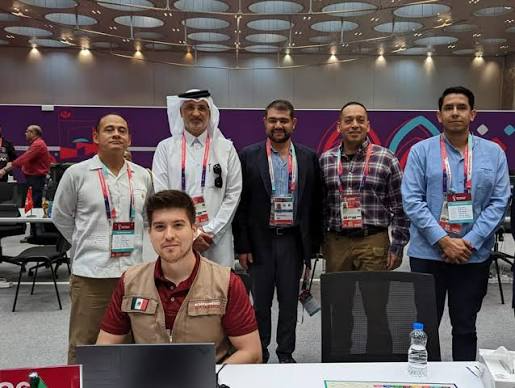
North American host cities are moving deeper into final preparations for the 2026 FIFA World Cup, with sports governing bodies and local authorities focusing on venue security, event schedules and the operational demands of welcoming enormous international crowds. As the tournament approaches, the work taking place away from the field is becoming just as significant as the football itself, with cities preparing transportation systems, stadium operations, public safety plans and fan services for one of the largest sporting events ever staged across the region.
Host Cities Enter a Critical Preparation Period
The 2026 FIFA World Cup will be jointly hosted by the United States, Canada and Mexico, creating a tournament footprint that stretches across a vast geographic area. Unlike a conventional competition concentrated within one country, the North American tournament requires coordination among multiple national governments, sporting organizations, municipalities, stadium operators and security agencies.
That scale creates a complicated logistical puzzle. Teams, officials, broadcasters, volunteers and fans will need to move between cities while local authorities maintain normal services for residents. Stadiums must be prepared for international matches, while transportation networks must handle substantial increases in passenger numbers around match days.
We can think of the preparation as a second competition taking place behind the scenes. On the pitch, players will compete for national pride. Outside the stadium, thousands of workers will be responsible for making sure those matches begin on time, fans can enter safely and cities remain functional throughout the tournament.
Security Planning Is Moving to the Center of Operations
Large international football matches require detailed security planning because stadiums can attract tens of thousands of spectators at a single event. Host authorities are therefore working on procedures covering stadium entrances, crowd movement, emergency response, transportation hubs and surrounding public spaces.
Security planning is not limited to preventing serious threats. It also involves managing ordinary problems that can become complicated when large crowds gather. Lost children, medical emergencies, overcrowded pedestrian routes, blocked entrances and transportation delays all require coordinated responses.
Venue operators and public agencies must also determine how security procedures affect the fan experience. Spectators want to feel protected without spending unreasonable amounts of time waiting to enter a stadium. Effective planning therefore requires a balance between rigorous screening and efficient crowd management.
Stadium Schedules Require Precise Coordination
Finalizing venue schedules is another major part of the preparation process. A World Cup stadium does much more than host a ninety minute football match. It becomes a temporary operating center involving athletes, coaches, officials, broadcasters, security personnel, hospitality teams, medical staff and thousands of spectators.
Each match creates a chain of logistical requirements. Stadium staff need sufficient time to prepare the playing surface, install broadcasting equipment, inspect security systems, organize entrances and coordinate transportation. Once a match ends, the venue must be cleared safely before preparations begin for the next event.
Scheduling becomes even more complicated when several cities are hosting matches within a short period. Organizers have to consider travel times, team recovery, television requirements and stadium availability while also accounting for local transportation capacity.
North America’s Geography Creates a Unique Challenge
The geographic scale of the 2026 tournament is one of its defining characteristics. Fans may travel significant distances to follow their teams, while teams themselves will move between cities separated by long flights.
For supporters, that creates both excitement and practical challenges. A fan attending several matches may need to arrange flights, hotels, local transportation and entry requirements across multiple destinations. A tournament that covers three countries can feel like several trips combined into one extended sporting journey.
Airports will consequently play an important role in the tournament’s success. Major international gateways will experience additional passenger demand, particularly around highly anticipated matches. Airlines, airports and local transportation agencies must be prepared for changes in passenger volumes and travel patterns.
Information from FIFA will remain important for supporters following official tournament information, match arrangements and competition developments as preparations continue.
Public Transportation Could Shape the Fan Experience
Getting spectators to a stadium is often one of the most difficult operational challenges associated with major sporting events. Thousands of private vehicles arriving at the same time can quickly overwhelm roads and parking facilities.
Host cities are therefore examining public transportation, shuttle services, pedestrian routes and temporary traffic management measures. The objective is to move large numbers of people efficiently while minimizing disruption for residents.
For fans, preparation can make a major difference. Checking transportation schedules before leaving a hotel, arriving early and understanding stadium entry requirements can reduce stress on match day. For cities, clear communication can help residents plan around road closures, increased transit demand and changes to normal traffic patterns.
Local Residents Will Experience the Tournament Too
World Cup preparations are often discussed from the perspective of visitors, but residents are the people who will live alongside the event every day. Host cities must therefore consider how tournament operations affect neighborhoods, businesses, public transportation and local services.
A successful event should create excitement without making ordinary life unnecessarily difficult. Local restaurants, hotels, retailers and transportation businesses may benefit from increased visitor spending, while residents may encounter crowded transit systems or heavier traffic.
This balance requires careful communication. Residents need clear information about transportation changes, event zones, security measures and public access. Businesses need opportunities to prepare for increased demand. Fans need reliable information about how to reach venues and move around the city.
Technology Is Becoming Part of Stadium Management
Modern sporting events depend heavily on technology. Digital ticketing, identity verification, communications systems, surveillance infrastructure and mobile applications can help organizers manage large crowds more effectively.
Technology can also create new operational risks. Systems handling tickets, payments and communications must remain reliable during periods of extremely high demand. Cybersecurity has therefore become another consideration for major international sporting events.
Stadium operators must ensure that digital systems are tested thoroughly before crowds arrive. A technical failure at an ordinary event can be frustrating. During a major international tournament, the same failure can affect tens of thousands of people simultaneously.
Medical and Emergency Services Must Be Ready for Peak Demand
Large football crowds require extensive medical planning. Stadium medical teams need to respond to injuries, dehydration, heat related illness and other emergencies, while local hospitals and emergency services must be prepared for increased demand.
Weather is an additional consideration. Summer conditions across parts of North America can be hot and humid, making hydration, shade and medical response particularly important for spectators spending several hours outdoors or inside crowded areas.
Organizers therefore need clear communication about water access, medical stations, emergency exits and procedures for seeking assistance. These details may receive little attention when a tournament is discussed in terms of goals and star players, but they can determine whether thousands of fans experience a comfortable and safe day.
Economic Benefits Could Extend Beyond Match Days
The World Cup is expected to create significant economic activity across host cities. Visitors spend money on accommodation, food, transportation, entertainment and retail products, creating opportunities for businesses that may never enter a stadium.
Restaurants near transit stations could see increased demand. Hotels may experience strong occupancy during match periods. Local attractions can benefit when international visitors add sightseeing to their football schedules.
The longer term impact will depend on how cities manage the infrastructure and investment associated with the tournament. Improvements to transportation, public spaces and stadium districts can potentially benefit residents after the final match has been played.
However, economic gains are not automatic. Cities must also manage costs, congestion and pressure on public services. Responsible planning requires authorities to measure both the benefits and the burdens of hosting an event of this scale.
Fans Are Preparing for More Than Football
For supporters, the 2026 World Cup represents an opportunity to experience football across three countries with very different cultures, landscapes and traditions. A trip to a match can become a broader journey involving local food, music, neighborhoods and historical attractions.
That diversity could become one of the tournament’s defining characteristics. Supporters arriving from Europe, Asia, Africa, South America and elsewhere will encounter cities that have their own identities while sharing the common language of football.
Fans should pay close attention to official ticketing information, stadium policies and travel requirements as the tournament approaches. Planning accommodation and transportation early can also be valuable because popular match locations may experience substantial demand.
The Final Months Will Test Every Part of the Plan
The acceleration of security protocols and venue scheduling shows that preparations are entering a critical operational phase. Planning documents eventually have to become real procedures, and those procedures have to work when thousands of people arrive at once.
For organizers, the priority is consistency. A fan should know where to enter, how to reach the stadium, where to seek assistance and what rules apply regardless of which host city they visit. Achieving that level of consistency across three countries will require extensive coordination.
We should also remember the human effort behind the tournament. Security officers will work long shifts. Transit employees will guide unfamiliar travelers. Stadium workers will prepare venues before sunrise. Volunteers will help visitors find their way through crowded streets. Medical personnel will be ready for emergencies while maintenance teams quietly keep stadiums functioning.
A World Cup Built Across a Continent
The 2026 North American World Cup is becoming more than a sporting event on a calendar. It is a major test of international coordination, urban planning, transportation, public safety and hospitality.
As host cities finalize their security procedures and venue schedules, the tournament is moving from long term planning toward practical execution. Every decision made now will influence what millions of spectators eventually experience.
The best measure of success will not simply be whether matches begin on time or stadiums fill to capacity. It will be whether supporters can travel safely, residents can continue their daily lives, businesses can benefit fairly and visitors leave with positive memories of the cities that welcomed them.
When the football finally begins, much of this preparation will disappear into the background. Fans will see the players walk onto the pitch, hear the roar of the crowd and focus on the result. Behind that moment will stand years of planning and thousands of people working to make an enormous international event feel remarkably simple.