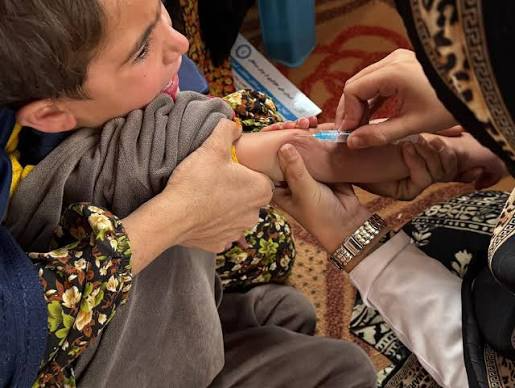
Growing concerns over childhood measles outbreaks are drawing renewed attention from international health authorities, as public health officials warn that the actual scale of infections may be considerably higher than reported figures suggest. On November 7, 2026, global health authorities and former public health officials highlighted weaknesses in disease surveillance and childhood vaccination coverage, calling for stronger cross border coordination and updated immunization campaigns. The warning comes amid serious outbreaks across several regions, raising concerns about vulnerable children who may remain unprotected because of missed vaccinations, delayed diagnosis or incomplete reporting.
Measles is one of the most contagious infectious diseases, capable of spreading rapidly through communities where vaccination coverage is insufficient. For parents, the consequences can be frightening. A child who initially develops a fever, cough and runny nose can progress to a widespread rash and potentially life threatening complications. Health experts are particularly concerned that incomplete surveillance may prevent authorities from recognizing how quickly infections are spreading, leaving communities exposed for longer periods.
Although underreporting has been a recognized weakness in measles surveillance systems for years, the current outbreaks have renewed questions about whether existing reporting arrangements are sufficient. The central message from public health authorities is clear: stronger disease monitoring and reliable vaccination coverage must work together if countries are to prevent further childhood infections.
Why Global Measles Cases May Be Higher Than Official Figures
Accurate disease reporting is essential for controlling infectious outbreaks. Health authorities depend on hospitals, clinics, laboratories and local medical professionals to identify suspected cases, confirm infections and communicate findings to national surveillance systems. When any part of this process fails, the reported number of infections may provide an incomplete picture.
Several factors contribute to measles underreporting. In rural communities, families may have limited access to medical facilities and may not seek professional treatment when a child develops symptoms. Some children experience symptoms that are initially mistaken for other common illnesses. In other situations, medical facilities may lack sufficient laboratory resources to confirm suspected infections.
Reporting delays create another challenge. Even when health professionals identify measles cases, the information may take weeks to reach national or international databases. This means that the latest published figures can reflect an outbreak that has already grown considerably since the original cases were recorded.
The World Health Organization explains that its surveillance figures do not necessarily capture every infection occurring within communities. Its global measles information and guidance highlights the importance of early detection, reliable reporting and strong immunization programs.
For public health planners, underreporting is more than a statistical problem. Incomplete information can delay emergency vaccination activities, complicate resource allocation and make it difficult to identify communities experiencing the greatest risk.
Major Outbreaks Put Children at Greater Risk
Recent outbreak reports demonstrate the seriousness of the current situation. Bangladesh has experienced a particularly severe measles crisis, with health authorities reporting hundreds of thousands of suspected infections during 2026.
According to information published by the European Centre for Disease Prevention and Control on November 6, Bangladesh had recorded 235,475 suspected measles cases by November 5, including 24,219 laboratory confirmed infections and 1,167 suspected or confirmed measles related deaths. The figures illustrate the enormous pressure facing healthcare services and the importance of reaching children who have missed routine immunizations.
The Americas have also experienced substantial transmission. The Pan American Health Organization has documented tens of thousands of confirmed cases across the region, with Guatemala, Mexico, the United States, Peru and other affected countries facing different levels of outbreak activity.
The United States has experienced a significant resurgence as well. Figures reported by the Centers for Disease Control and Prevention on November 7 placed the 2026 national measles total at 5,182 cases, representing the highest annual total since 1991.
These developments demonstrate that measles is not limited to one geographic region or economic category. Countries with advanced healthcare infrastructure can also experience outbreaks when vaccination coverage declines or susceptible populations accumulate over time.
Declining Childhood Vaccination Coverage Creates Dangerous Immunity Gaps
Vaccination remains the most effective way to prevent measles transmission. The measles vaccine has been used for decades and provides strong protection against a disease that can otherwise spread rapidly through schools, households and public spaces.
However, vaccination coverage must remain consistently high. The World Health Organization recommends maintaining at least 95 percent coverage with two doses of measles containing vaccine in every district to prevent outbreaks and sustain elimination.
When vaccination rates fall below this level, the number of susceptible individuals gradually increases. An infected traveler or an undetected local case can then introduce the virus into a community where it may spread quickly.
Children who have not received either vaccine dose face particularly serious risks. Infants who are too young for routine vaccination, children living in areas with disrupted healthcare services and families affected by displacement may also experience greater exposure.
Health authorities are concerned that routine immunization disruptions, vaccine access problems and misinformation have contributed to immunity gaps in different countries. Restoring protection requires more than announcing new vaccination targets. Governments must ensure that vaccines are available, healthcare workers can reach families and parents receive accurate information about immunization.
Why Cross Border Vaccination Campaigns Need Stronger Coordination
Measles does not respect national borders. International travel, migration and population displacement can carry infections between communities before authorities recognize that an outbreak has started.
This creates particular challenges for countries sharing borders or experiencing significant population movement. A vaccination campaign conducted in one country may achieve strong coverage, but nearby communities with lower immunization rates can continue to support transmission.
Public health experts therefore support closer coordination between neighboring governments. Shared outbreak information, coordinated vaccination schedules and stronger disease surveillance can help identify emerging infections before they spread into additional regions.
Cross border cooperation is particularly important in areas where families regularly travel for employment, education, healthcare or safety. Children moving between communities may have incomplete vaccination records, making it difficult for health workers to establish their immunization status.
International vaccination programs should therefore include accessible services for displaced families, migrant populations and communities living far from established healthcare facilities.
What Updated Vaccination Campaigns Should Prioritize
Effective immunization campaigns require careful planning and cooperation between national authorities, local healthcare providers and international organizations. Important priorities include:
- Identifying unvaccinated children: Use local health records and community outreach to locate children who have missed routine immunization doses.
- Expanding vaccination access: Provide additional vaccination services in rural communities, schools and underserved neighborhoods.
- Coordinating across borders: Share outbreak information and vaccination coverage data between neighboring countries.
- Strengthening laboratory capacity: Improve the ability to confirm suspected measles infections quickly.
- Improving public communication: Provide parents with reliable information about vaccine safety, eligibility and recommended schedules.
- Monitoring campaign results: Independently assess vaccination coverage to identify communities that remain vulnerable.
These measures can help governments move beyond reactive outbreak responses and establish more dependable protection for children.
Recognizing Measles Symptoms and Understanding Its Complications
Early recognition is another important part of measles prevention. Initial symptoms commonly appear around 10 to 14 days after exposure, although the timing can vary. Children may develop a high fever, cough, runny nose and red or watery eyes before the characteristic rash appears.
The rash generally begins on the face and spreads downward across the body. Although some children recover without serious complications, measles can cause severe illness, particularly among infants, young children and people with weakened immune systems.
Potential complications include pneumonia, severe diarrhea, dehydration, ear infections and inflammation of the brain. In some cases, the disease can lead to permanent disability or death.
Families should contact a healthcare professional if they suspect measles, particularly when a child develops a fever and rash after possible exposure. Because the infection spreads so easily, families should contact medical services before visiting a healthcare facility in person so appropriate precautions can be arranged.
Parents should also check their children’s vaccination records and consult qualified healthcare professionals about any missing doses. Vaccination recommendations may vary according to age, medical circumstances and national immunization schedules.
Public Health Surveillance Needs Better Investment
Improving vaccination coverage will not be sufficient unless countries can identify infections accurately and respond quickly. Reliable surveillance systems allow health authorities to understand where transmission is occurring, which age groups are most affected and whether emergency interventions are working.
Modern disease monitoring requires investment in laboratory testing, trained healthcare workers, digital reporting systems and community based surveillance. Hospitals and clinics must have clear procedures for reporting suspected cases, while national authorities need the resources to investigate unusual increases in childhood infections.
Digital reporting can help reduce delays, but technology alone cannot solve the problem. Communities without reliable internet access or adequate medical facilities still require traditional public health outreach. Local healthcare workers often provide the first indication that an outbreak is developing, particularly in remote areas.
Former public health officials have also highlighted the importance of maintaining institutional knowledge and emergency preparedness. Outbreak response systems need consistent funding and trained personnel even when infection numbers temporarily decline. Waiting until hospitals report large increases can make containment considerably more difficult.
The Economic and Social Cost of Uncontrolled Measles Outbreaks
Measles outbreaks place pressure on more than healthcare facilities. When children become infected, parents may need to leave work to provide care, while schools and childcare centers can experience temporary disruptions. Families may also face transportation expenses, medical costs and lost income.
Hospitals must allocate staff and resources to treating severe cases, investigating exposure and protecting other patients from infection. In countries with limited healthcare capacity, large outbreaks can divert resources from maternal health, routine childhood immunization and other essential medical services.
These consequences are particularly difficult for low income households. Families with limited access to transportation or paid leave may struggle to obtain medical attention, increasing the possibility that infections remain undiagnosed.
Preventive vaccination is therefore not only a medical priority but also an important investment in household stability and public health preparedness. Preventing outbreaks can reduce avoidable hospital admissions and protect children from complications that may affect their development and future well being.
What Governments and International Health Organizations Must Do Next
The latest warnings reinforce the need for a coordinated approach to childhood measles prevention. Governments should review national vaccination coverage, identify areas where immunity remains below recommended levels and ensure that additional doses reach children who have missed routine services.
International organizations can support these efforts through technical assistance, vaccine procurement, laboratory training and cross border information sharing. However, national governments remain responsible for maintaining accessible immunization services and reliable disease reporting systems.
Healthcare professionals also have an important role. They can encourage routine childhood vaccination, identify suspected infections, report cases promptly and help families understand the risks associated with incomplete immunization.
For parents, checking vaccination records and seeking professional guidance when doses have been missed are practical steps toward protecting children. Families should rely on qualified medical professionals and official public health guidance rather than unverified claims circulating through social media.
Protecting Children Requires Action Before the Next Outbreak
The growing concern surrounding childhood measles underreporting highlights a serious weakness in global disease prevention. When infections go undetected, health authorities lose valuable time, communities remain exposed and vaccination campaigns may fail to reach the children who need protection most.
The outbreak figures emerging from Bangladesh, the Americas and other affected regions demonstrate why stronger surveillance and consistent childhood immunization must remain international priorities. Although the precise scale of underreporting varies between countries, existing WHO guidance makes clear that reported cases should not automatically be treated as a complete measure of community transmission.
The response requires sustained cooperation rather than temporary emergency measures. Governments must improve disease reporting, strengthen laboratory networks, maintain vaccine supplies and coordinate immunization efforts across national borders. Healthcare providers and community organizations must also work together to ensure that vulnerable families are not overlooked.
Ultimately, preventing childhood measles is achievable through proven public health measures. Every missed vaccination represents a potential gap in community protection, while every infection identified early creates an opportunity to prevent further transmission. Protecting children will depend on whether governments and international health organizations turn these warnings into consistent, accessible and measurable action.