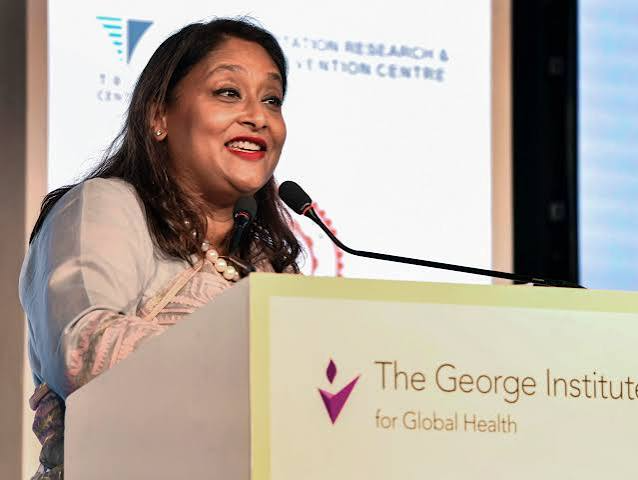
The World Health Organization is facing a significant leadership transition in its South East Asia region after Saima Wazed resigned from her position as regional director on September 9, 2026, amid investigations by the global health agency and Bangladeshi authorities. Her departure brings an abrupt end to a five year appointment that began in February 2024 and places renewed attention on governance, accountability and leadership standards within international public health institutions.
Wazed, the daughter of former Bangladeshi Prime Minister Sheikh Hasina, had been on unpaid administrative leave since July 2025 while allegations involving fraud, forgery and other matters were examined. She has denied wrongdoing and has challenged the handling of the case. Reuters reported that her resignation followed a recommendation for her removal by a WHO committee, while the organization is expected to begin the process of selecting a successor.
Why Saima Wazed’s Departure Matters for WHO
The WHO South East Asia region is one of the organization’s most consequential regional structures. It covers 11 member states and serves a population of more than two billion people. Its responsibilities include coordinating public health policy, supporting disease surveillance, strengthening health systems and helping governments respond to emergencies.
When leadership at that level changes under controversial circumstances, the effects extend beyond one senior official. Governments, health ministries, international partners and public health workers need confidence that decision making remains stable while an organization manages a transition.
Wazed took office on February 1, 2024, becoming the first person from Bangladesh and the second woman to hold the position. The WHO said at the time that her priorities included mental health, health equity, support for women and children and the use of technology in public health. :contentReference[oaicite:0]{index=0}
Her resignation therefore represents a major change from the leadership plans announced when she began her term. It also places greater importance on the process the WHO uses to restore permanent leadership in the region.
The Investigations Behind the Resignation
Wazed’s case has developed over more than a year. Bangladesh’s Anti Corruption Commission filed cases against her in 2025 involving allegations of fraud and forgery. The WHO subsequently placed her on administrative leave while matters involving her were investigated.
Reuters reported that allegations considered by the WHO included financial issues connected with travel to China, questions surrounding academic credentials and the acquisition of land in Bangladesh. Wazed has rejected the allegations. She has described the travel matter as an administrative error involving a relatively small reimbursement and has disputed claims concerning her qualifications and property.
The distinction between an allegation and a proven violation is important. Public officials facing investigations are entitled to established procedures and the opportunity to respond. At the same time, international organizations have a responsibility to investigate credible concerns involving senior personnel, particularly when questions involve public funds, institutional rules or professional qualifications.
The controversy has therefore placed two principles alongside each other: institutional accountability and procedural fairness. How those principles are balanced can influence confidence in the WHO well beyond this individual case.
A Leadership Gap That Began Before the Resignation
Wazed’s formal resignation came in September 2026, but the South East Asia regional office had already been operating under interim leadership for more than a year.
The WHO’s regional website currently identifies Dr Nilesh Buddha as Officer in Charge, beginning that responsibility on August 17, 2026. The arrangement reflects the organization’s need to maintain continuity while the permanent leadership question is resolved. :contentReference[oaicite:1]{index=1}
For public health workers, continuity is not an abstract administrative concern. Disease surveillance does not stop because a senior appointment is unsettled. Vaccination programs continue. Governments still need technical guidance. Hospitals and laboratories still require cooperation during outbreaks and other emergencies.
A regional health office therefore needs to maintain functioning programs even while its senior leadership is changing. The interim structure provides a mechanism for doing that while member states prepare for a permanent appointment.
The Political Background Adds Another Layer
The controversy surrounding Wazed cannot be separated entirely from the political upheaval in Bangladesh. Her mother, Sheikh Hasina, was removed from power following mass protests in 2024 and subsequently left the country. The political transition was followed by investigations and legal cases involving members and associates of the former government.
Wazed has argued that the action taken against her was influenced by political circumstances. Her representatives have sought greater transparency over the process and have questioned how the WHO handled her suspension and the investigations.
The WHO, meanwhile, has had to address a difficult institutional question: how should an international organization respond when allegations against a senior official are connected to both internal governance matters and proceedings in the official’s home country?
That question has relevance for international organizations far beyond this case. Senior officials often have political, professional and institutional relationships that cross national borders. Clear procedures become particularly important when those relationships overlap with investigations.
What Happens to the Regional Director Position Now
The resignation opens the way for the WHO to move toward a new leadership selection process. Reuters reported that nominations are expected later in 2026, followed by candidate vetting and an election in January 2027.
Regional directors are elected by member states within their respective WHO regions. The process means that the next leader will not simply be selected internally by the WHO secretariat. Governments in the region will have a direct role in determining who takes responsibility for regional public health coordination.
The upcoming selection is likely to receive considerable attention because the next regional director will inherit an office that has experienced an unusually prolonged leadership dispute. The new leader will need to restore institutional confidence while addressing a region that contains some of the world’s largest populations and most complex public health challenges.
The Public Health Issues Waiting for the Next Leader
Leadership changes do not reduce the region’s health needs. South East Asia continues to face a mixture of infectious disease threats, chronic illnesses, maternal and child health challenges, mental health needs and unequal access to medical services.
Climate related risks also place additional pressure on health systems. Extreme heat, floods, storms and changing disease patterns can place vulnerable communities at greater risk while putting hospitals and public infrastructure under strain.
The next regional director will therefore inherit a demanding agenda. The appointment will be judged not only by the circumstances surrounding the leadership transition but also by the ability to maintain cooperation among governments with very different health systems, economic conditions and political environments.
Key Priorities for the Incoming Leadership
The immediate priorities are likely to include maintaining operational continuity, strengthening confidence among member states and ensuring that regional health programs remain focused on measurable public health outcomes.
There will also be pressure to demonstrate strong internal governance. Transparent financial management, clear ethical procedures and reliable oversight can help prevent leadership disputes from distracting the organization from its core mission.
Why Governance Matters in Global Health
Public health institutions depend on trust in a way that few other international organizations do. Their recommendations can influence vaccination policies, emergency responses, disease control measures and the allocation of scarce resources.
When senior leadership becomes associated with allegations of misconduct, the damage can extend beyond the individual involved. Governments may question institutional decisions, health professionals may become more skeptical and the public may wonder whether organizational standards are being applied consistently.
Strong governance is therefore not merely a matter of internal administration. It supports the credibility needed to coordinate public health action across borders.
The WHO South East Asia regional office remains responsible for coordinating health work across its member states while the leadership transition proceeds. The office’s ability to maintain essential programs will be an important measure of institutional resilience during the change.
Wazed’s Own Account of Her Resignation
Wazed has said that prolonged unpaid leave and her loss of confidence in WHO leadership contributed to her decision to resign. Reports based on her resignation letter indicate that she described the financial consequences of remaining without remuneration for an extended period as increasingly difficult.
She also maintained that she had been prevented from effectively carrying out the responsibilities for which she had been elected. Her account contrasts sharply with the institutional concerns surrounding the investigations.
That disagreement is likely to remain part of the public record. But the immediate institutional priority is now different. The WHO must ensure that the transition is orderly and that the regional office remains capable of delivering health programs while member states determine its next permanent leader.
A Test of Institutional Confidence
The resignation arrives at a sensitive moment for global health organizations, which already face pressure to demonstrate financial discipline, transparency and independence. Public expectations are especially high when senior officials exercise authority over programs affecting millions of people.
For the WHO, the response to this leadership change will matter as much as the resignation itself. A transparent selection process, clear communication and consistent application of governance standards can help reassure member states and the public.
For the people served by the South East Asia regional office, the most important question is ultimately practical. Health services, disease prevention programs and emergency preparedness must continue regardless of who occupies the regional director’s office.
What Comes Next for WHO South East Asia
The coming months will bring a search for permanent leadership while Dr Nilesh Buddha continues to oversee the office on an interim basis. Member states will have an opportunity to shape the future direction of the region through the upcoming election process.
The next regional director will inherit both significant responsibilities and a clear governance challenge. Restoring confidence will require more than a new appointment. It will require consistent administration, credible oversight and a visible commitment to the health priorities affecting communities across the region.
Wazed’s resignation closes one chapter in a prolonged dispute, but it does not resolve every question raised by the case. Investigations and competing accounts of the events remain part of the wider story. For the WHO, the larger test is whether it can manage the transition without allowing controversy to weaken essential public health work.
For millions of people across South East Asia, that continuity matters most. Behind the institutional headlines are clinics, laboratories, vaccination programs, health workers and families who depend on public health systems functioning every day. The leadership transition will be measured ultimately by how effectively those systems continue to serve them.