The fight for clean sport is becoming increasingly dependent on something athletes rarely see: the quiet stream of biological data collected between competitions. On September 16, 2026, the World Anti Doping Agency remains focused on strengthening digital systems that help anti doping organizations track biological changes over time, with the Athlete Biological Passport and the ADAMS platform at the center of that effort. While there is no verified public WADA announcement confirming that a completely new unified passport system has been finalized across every major international sporting federation, current WADA documentation shows continued development toward greater harmonization, data sharing, digital administration and consistent passport management.
Why the Athlete Biological Passport Matters
For spectators, anti doping work is often imagined as a moment in a laboratory when a sample is tested and a substance is either found or not found. The Athlete Biological Passport works differently. Instead of looking only for a prohibited substance, it follows selected biological markers over time and looks for changes that may require expert review.
That longitudinal approach can be especially significant in sports where blood manipulation or other sophisticated methods may leave indirect biological signals rather than a simple chemical fingerprint. A single result can provide only one point in time. A passport can provide a much broader picture of an athlete’s biological profile.
WADA’s operating guidance describes the passport as a structured program supported by biological monitoring, expert assessment and results management. The system includes modules that can examine hematological and steroidal information, while related testing and intelligence can help anti doping organizations determine where additional attention may be appropriate.
ADAMS Is Central to the Digital Infrastructure
The digital backbone behind much of this work is the Anti Doping Administration and Management System, commonly known as ADAMS. WADA documentation identifies ADAMS as a platform for storing and sharing relevant anti doping information and supporting the administration of Athlete Biological Passport programs.
WADA’s current application status information also lists the ADAMS ecosystem, including the Next Generation Athlete Biological Passport, as operational. That is significant because it demonstrates that WADA’s digital infrastructure is not limited to a historical database. The organization is continuing to operate and develop technology designed to support modern anti doping processes.
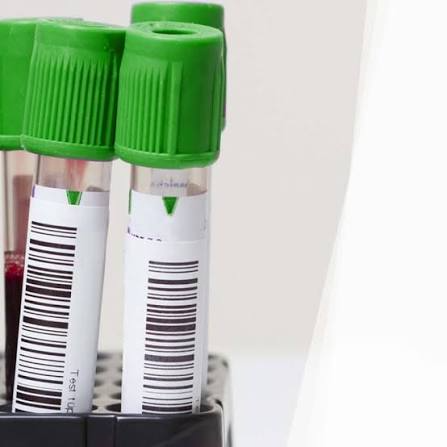
For athletes, the practical effect can be almost invisible. A blood sample is collected in a controlled environment, information is recorded, and the athlete continues with training or competition. Behind that routine interaction, however, data can become part of a longitudinal record that is reviewed using specialized scientific methods.
WADA’s official anti doping resources provide extensive information on the Athlete Biological Passport, ADAMS and the international standards governing these processes.
A More Consistent System Across International Sport
One of the biggest challenges in global anti doping is consistency. Athletes compete across borders, move between international competitions and may be subject to testing by national organizations, international federations and major event authorities. If information remains isolated between organizations, opportunities for meaningful longitudinal analysis can become more difficult.
WADA’s Athlete Biological Passport guidance has long promoted harmonization and mutual recognition of passport information. The framework also allows relevant passport information to be shared between organizations under defined procedures. That concept becomes increasingly important as international sport grows more interconnected and athletes compete in events governed by different authorities during the same season.
A truly unified global system would therefore involve more than simply giving every federation access to the same software. It would require compatible procedures, consistent scientific standards, appropriate responsibilities for passport management and safeguards for sensitive athlete information.
What Digital Passport Tracking Can Reveal
The value of a biological passport lies partly in the fact that biological measurements naturally fluctuate. Training intensity, altitude, illness, travel, recovery and other legitimate factors can influence an athlete’s biological profile. Anti doping authorities therefore cannot simply treat every unusual change as evidence of wrongdoing.
Instead, passport information can be reviewed by specialized experts who consider the athlete’s longitudinal profile and available explanations. WADA’s framework includes Athlete Passport Management Units and expert panels as important parts of the results management process.
This distinction matters for athletes. A biological passport is not designed to declare an athlete guilty simply because one measurement changes. The system is built around scientific evaluation, expert review and established procedural safeguards.
From Sample Collection to Expert Review
The process begins when relevant samples are collected under established anti doping procedures. The resulting information can then be entered into the appropriate digital system. Where applicable, analytical models can evaluate the profile and identify patterns that merit further attention.
An Athlete Passport Management Unit can review the information and, where necessary, seek expert assessment. If the evidence does not have a reasonable explanation consistent with legitimate factors, the case may move into the formal results management process. This layered structure is designed to separate routine biological variation from patterns that warrant deeper investigation.
Privacy Is Part of the Integrity Question
The expansion of digital anti doping systems also raises an issue that athletes and sporting organizations cannot afford to ignore: personal data protection.
Biological information is highly sensitive. A modern passport system therefore needs strong controls over who can access information, how it is stored, when it can be shared and how long it remains available. WADA’s Athlete Biological Passport guidance specifically connects administrative standardization with the protection of athlete information.
Digital security is particularly important when information moves between international federations, national anti doping organizations, laboratories and other authorized stakeholders. A system can only strengthen confidence in sport if athletes believe that their personal information is handled responsibly as well as their samples being analyzed scientifically.
Technology Does Not Replace Human Judgment
There is a temptation to describe digital anti doping systems as automated policing. That description misses an important part of the process. Biological passport technology can organize information, identify unusual patterns and support targeted testing, but scientific and legal decisions still require qualified human review.
This human element is particularly important because elite athletes live under demanding physical conditions. A runner returning from altitude training, a cyclist recovering from illness or a swimmer managing an unusually intense training cycle may experience legitimate biological changes. Interpreting those changes requires context rather than a simple automated conclusion.
That is why WADA’s continued focus on Athlete Passport Management Units, expert panels and standardized procedures remains relevant even as the underlying technology becomes more sophisticated.
What the 2026 Developments Mean for Athletes
For athletes preparing for major championships, the expanding digital infrastructure means that anti doping monitoring increasingly operates as a continuous process rather than something that happens only when they arrive at an event.
Maintaining accurate whereabouts information, following sample collection procedures, communicating relevant medical information and understanding anti doping obligations are therefore practical parts of an athlete’s preparation. WADA also continues to provide education through its ADEL platform, giving athletes and support personnel access to information about prohibited substances, therapeutic use exemptions and anti doping responsibilities.
The wider lesson is straightforward. Clean sport depends not only on catching violations after they happen, but also on building systems capable of detecting meaningful patterns while protecting athletes who have done nothing wrong.
Ahead of the Next Generation of Global Championships
As international championships become larger and athletes move through increasingly complex competition calendars, digital coordination will continue to influence anti doping work. The goal is not simply to collect more information. It is to make information useful, comparable and responsibly managed across organizations.
WADA’s current systems indicate that this process is already underway. The presence of a Next Generation Athlete Biological Passport within the active ADAMS ecosystem points toward continued technological development, while existing guidance continues to promote harmonized administration and information sharing.
Still, the distinction between ongoing digital development and a newly finalized universal system is important. As of September 16, 2026, publicly available WADA material supports the broader trend toward standardized digital passport administration, but does not establish that every major international sporting federation has simultaneously adopted one newly finalized system.
The Bigger Test for Global Anti Doping
For us, the significance of these developments goes beyond software. Every biological passport represents a real athlete who has spent years training before a championship moment arrives. Behind the numbers are early morning sessions, repeated injuries, long flights, strict diets and the pressure of knowing that one competition can define a career.
A strong anti doping system must therefore protect two principles at the same time. It must make sophisticated cheating harder to conceal, while ensuring that legitimate athletes are not treated unfairly because of ordinary biological variation or flawed interpretation.
The continued development of digital passport technology can support that balance when it is combined with sound science, consistent international procedures, expert judgment, transparent results management and serious protection of athlete privacy. WADA’s international anti doping information remains an important reference point as sporting organizations prepare for the next generation of global competition.
The future of athlete integrity will not be determined by technology alone. It will depend on how carefully sporting authorities use that technology, how consistently they apply common standards and how effectively they preserve trust at the center of competitive sport.