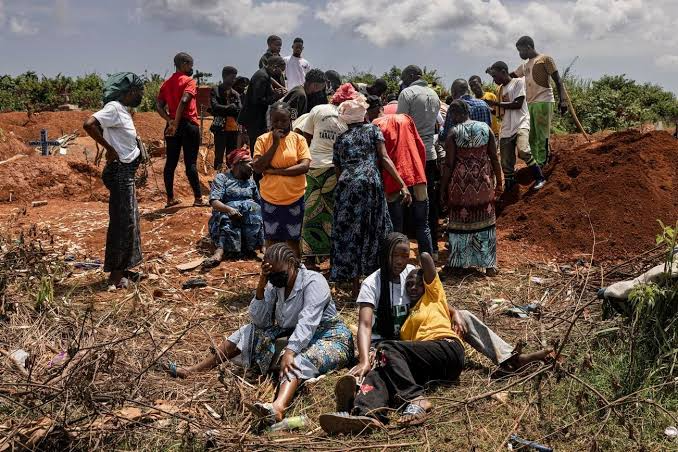
The World Health Organization has maintained the Bundibugyo Ebola outbreak as a Public Health Emergency of International Concern after confirmed cases in the Democratic Republic of the Congo surpassed 11,600. The decision reflects continuing transmission, a high death toll and serious obstacles to reaching affected communities. Although recent cases in Kenya and Nigeria have not developed into sustained local outbreaks, health authorities are keeping surveillance and emergency preparations in place as the situation remains dangerous, particularly in eastern Congo.
WHO Maintains International Emergency Status
On November 18, 2026, WHO Director General Tedros Adhanom Ghebreyesus determined that the outbreak continued to meet the criteria for a Public Health Emergency of International Concern, following advice from the International Health Regulations Emergency Committee. The committee held its third meeting on November 17 to assess the spread of Bundibugyo virus disease and the effectiveness of the response.
The decision confirms that the outbreak remains a serious international public health concern. A PHEIC designation is used for an exceptional event that may pose a risk to other countries through international disease transmission and requires coordinated action. It does not automatically mean that a pandemic has been declared, nor does it mean that every country faces the same level of risk.
WHO’s November 20 outbreak update reported 11,613 confirmed cases and 5,678 deaths in the Democratic Republic of the Congo as of November 17. Cases had been identified across 68 health zones in eight provinces, with active transmission continuing in 48 of those zones. The crude case fatality ratio stood at 48.9 percent, although this figure can change as additional cases, deaths and recoveries are recorded.
The scale of the outbreak is especially concerning because transmission has persisted for six months. Some locations have reported a decline in new infections, but progress in individual communities has not been enough to bring the wider outbreak under control.
Democratic Republic of the Congo Remains the Main Center of Transmission
The Democratic Republic of the Congo continues to carry the greatest burden of the outbreak. Ituri and North Kivu remain among the most affected provinces, while additional areas have faced infections as the virus has spread across a wider geographic area. WHO has also identified Beni, Bunia and Mandima among the locations reporting the highest numbers of recent cases and deaths.
The outbreak has placed pressure on communities already dealing with insecurity, displacement and limited access to essential services. In some areas, health teams face difficulty reaching patients, investigating suspected infections and maintaining reliable surveillance. These conditions can allow transmission to continue without being detected quickly.
One of the most troubling findings is the number of deaths occurring outside treatment facilities. WHO reported that 720 deaths had been recorded during the three weeks before its November 20 update. Of those, 452 occurred in communities and 268 in treatment centers. This pattern points to persistent delays in recognizing illness and obtaining appropriate medical care.
When people become seriously ill at home, relatives and other caregivers may be exposed before the disease is identified. It can also become harder for response teams to trace contacts and interrupt chains of transmission. Early reporting, safe transport and timely treatment therefore remain essential parts of outbreak control.
Children Face a Particularly Severe Risk
Children are among the most vulnerable groups in the current outbreak. In remarks delivered to the Emergency Committee on November 17, WHO’s Director General said children accounted for more than one quarter of confirmed cases and approximately one third of reported deaths. He also highlighted an especially severe toll among children younger than five, with seven in ten confirmed cases in that age group resulting in death.
These figures underline the importance of protecting families and making medical support accessible to children as soon as symptoms appear. Parents and caregivers may face frightening decisions when a child becomes ill, particularly in communities where health facilities are distant or trust in response teams is limited. Clear information, respectful communication and reliable access to care can help families seek assistance sooner.
Health workers also need appropriate protective equipment, infection prevention procedures and adequate supplies. Without these safeguards, clinics and hospitals can become places where infections spread rather than safe locations for treatment.
Kenya and Nigeria Report Progress in Containing Imported Cases
Although the outbreak has involved several countries, the latest WHO assessment makes an important distinction between ongoing community transmission and imported cases that have been contained. The Democratic Republic of the Congo is currently the only country with documented community transmission. Kenya and Nigeria have reported cases, but neither has reported new confirmed infections in the latest reporting period.
Kenya recorded nine confirmed cases, including two deaths. All secondary infections were linked to the original imported case and one identified cluster involving family members and health and care workers. The last confirmed case was discharged from hospital on November 11 after recovery. Kenya has begun a 42 day countdown, covering two maximum incubation periods since the last confirmed case was cleared.
Nigeria reported one laboratory confirmed imported case on October 20. The patient was medically evacuated to Switzerland, where treatment continued. The individual recovered and was discharged on November 11 after two negative PCR test results. All 62 identified contacts in Nigeria completed the required 21 day follow up period, and authorities continued heightened surveillance while the country moved through its own countdown period.
These developments are encouraging, but they do not remove the need for vigilance. Imported infections can create new transmission chains if symptoms are missed or contacts are not followed. Kenya and Nigeria are therefore maintaining monitoring and preparedness while authorities work toward formally declaring their outbreaks over.
Insecurity and Health System Gaps Complicate the Response
WHO has identified insecurity as one of the greatest barriers to controlling the outbreak. Conflict and restricted access can prevent response teams from reaching affected communities consistently. They can also interrupt vaccination research, laboratory work, patient transfers and the delivery of essential medical supplies.
The response involves national health authorities, WHO and other partners working across several areas. These include disease surveillance, laboratory testing, clinical care, infection prevention, contact tracing, community engagement and logistical support. Keeping these activities connected is vital. Testing alone cannot stop an outbreak if patients cannot reach treatment, while treatment facilities cannot operate safely without reliable protective equipment and infection control.
Community trust is equally important. Residents need clear explanations of symptoms, available treatment and the reasons for public health measures. Communication that listens to local concerns can help families report suspected illness and cooperate with contact tracing. Health teams must also maintain essential services for people who need care unrelated to Ebola, so that the wider health system does not suffer additional disruption.
What the Emergency Declaration Means for International Travel
WHO’s continued emergency classification calls for stronger coordination, surveillance and preparedness, but the organization has advised against general restrictions on travel to or trade with affected countries. Its guidance instead focuses on rapid identification of suspected infections, laboratory confirmation, effective clinical care and cooperation across borders.
For travelers, the practical message is to follow current advice from national health authorities and official travel health services, particularly when visiting areas with active transmission. People who may have been exposed should seek medical advice promptly if they develop compatible symptoms and should explain their travel and contact history to health professionals.
For governments outside the affected region, preparedness includes maintaining the ability to recognize suspected cases, arrange safe testing and respond quickly to possible imported infections. Border monitoring and public health communication can support these efforts, but they should be proportionate to the assessed risk.
The World Health Organization provides official outbreak updates and public health recommendations. Travelers and health professionals can also consult the US Centers for Disease Control and Prevention Ebola information service for practical guidance on symptoms, exposure and prevention.
Why the Next Phase Will Be Critical
The decision to maintain the PHEIC status is a reminder that the outbreak is not under control simply because some locations have seen fewer cases. The latest figures show that transmission remains widespread in the Democratic Republic of the Congo, while deaths in communities reveal how difficult it can be for people to obtain timely care.
Kenya and Nigeria have made progress in containing their imported cases, demonstrating the value of contact tracing, isolation, laboratory testing and coordinated public health action. But the continuing emergency in Congo means that neighboring countries must remain prepared for further introductions. International partners also face the challenge of sustaining funding, supplies and personnel for a response that has already lasted six months.
For families living in affected communities, the most meaningful measure of progress will be whether suspected cases are identified earlier, treatment becomes easier to access and fewer people die before reaching medical care. WHO’s decision keeps international attention on those priorities. Until transmission is interrupted and health services can reliably protect vulnerable communities, the Bundibugyo Ebola outbreak will remain a serious concern for the region and the wider international health community.