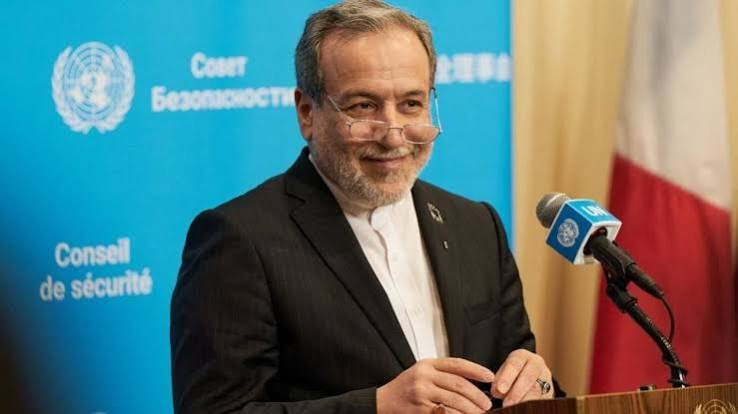
The United States and Iran are exploring a phased diplomatic arrangement that could reopen the Strait of Hormuz and restore safer passage for international shipping, offering a possible path toward easing a conflict that has disrupted one of the world’s most important maritime corridors. The discussions, taking place around the United Nations General Assembly in New York, center on a difficult exchange: Iran would restore access through the strategic waterway while Washington would take steps to ease its economic and maritime pressure on Tehran.
Diplomatic Talks Put the Strait of Hormuz at the Center of Negotiations
US and Iranian negotiators have been communicating through intermediaries in New York as both sides search for a way out of the prolonged confrontation. Reuters reported on September 24 that the discussions were focused on a phased arrangement in which Tehran would reopen the Strait of Hormuz while Washington would lift its economic blockade of Iran. :contentReference[oaicite:0]{index=0}
The talks have placed the Strait of Hormuz at the heart of the diplomatic process because control over the waterway carries consequences far beyond the immediate dispute between Washington and Tehran. Tankers, commercial vessels and energy shipments depend on secure passage through the narrow route between Iran and Oman. Before the current conflict, roughly one fifth of the world’s traded oil and gas moved through the strait, according to reporting from the Associated Press. :contentReference[oaicite:1]{index=1}
For people far from the Persian Gulf, the issue can seem like a distant geopolitical dispute. Yet disruptions in Hormuz can quickly appear in the form of higher fuel costs, more expensive transportation and increased pressure on household budgets. Businesses that depend on imported energy or global shipping also face uncertainty when vessels cannot move normally.
Iran Puts Forward a Seven Day Roadmap
On September 25, Iranian Foreign Minister Abbas Araghchi described a more detailed proposal during meetings on the sidelines of the UN General Assembly. Under the plan reported by multiple outlets, Iran would reopen the Strait of Hormuz within seven days if Washington accepted a set of conditions.
Those conditions include lifting the US naval blockade of Iranian ports, waiving sanctions affecting Iranian oil sales and observing a regional ceasefire that would include Lebanon and Yemen. The proposal also calls for the release of frozen Iranian assets, with Al Jazeera reporting an estimated figure of about $12 billion. :contentReference[oaicite:2]{index=2}
According to Araghchi’s account, the proposed timetable would begin once Washington accepted the framework. Initial measures would take several days, the strait would reopen on the sixth day, and discussions concerning a broader agreement and Iran’s nuclear program would begin on the seventh day. :contentReference[oaicite:3]{index=3}
Iran has presented the proposal as a practical route toward stopping the conflict while addressing its economic pressure. The United States, however, has its own priorities, including maritime security, freedom of navigation and negotiations over Iran’s nuclear activities.
Why the Strait of Hormuz Matters to the Global Economy
The Strait of Hormuz is one of the world’s most strategically significant waterways. Its geography makes it difficult to replace quickly when shipping is disrupted. Large volumes of crude oil, petroleum products and liquefied natural gas traditionally pass through the area, connecting major energy producers in the Gulf with customers across Asia and other parts of the world.
When ships face delays or uncertainty, the consequences can spread through international markets. Energy traders respond to the possibility of shortages, shipping companies reassess routes and insurers may raise costs when perceived risks increase. Those additional expenses can eventually reach consumers through fuel, transportation and the prices of goods that depend on international logistics.
The current situation has therefore turned the strait into more than a military or diplomatic issue. It has become a major economic concern for governments, energy companies, shipping operators and ordinary consumers.
More background on the international importance of the region and the work of the United Nations can be found through the United Nations, while continuing coverage of the diplomatic developments is available through Associated Press.
Washington and Tehran Face a Difficult Sequencing Problem
The central challenge is not simply whether both governments want an agreement. The harder question is which side should make the first significant concession.
Iran wants sanctions relief and an end to the naval blockade before surrendering its principal source of leverage in the maritime dispute. Washington wants reliable access through the strait and stronger assurances about maritime security before giving up economic pressure that has been used as a negotiating tool.
Reuters reported that people familiar with the discussions described the sequencing issue as one of the major obstacles. Neither side wants to make an initial concession that could leave it with less leverage if negotiations subsequently collapse. :contentReference[oaicite:4]{index=4}
That problem explains why negotiators are considering a phased arrangement rather than a single comprehensive settlement. A carefully sequenced agreement could allow each side to receive something at the same time that it makes a concession, reducing the risk that either government acts first and receives nothing in return.
The Role of the United Nations and Regional Mediators
The UN General Assembly has provided an unusual setting for the diplomatic effort because senior officials from the United States, Iran and numerous regional governments are gathered in New York at the same time. The contacts have been facilitated in part through intermediaries, including Qatar.
Earlier discussions during the UN gathering involved messages moving between American and Iranian representatives rather than a straightforward public meeting between the two governments. Al Jazeera reported that US special envoy Steve Witkoff said mediators had been moving between the delegations during the discussions. :contentReference[oaicite:5]{index=5}
Regional governments also have a direct interest in the outcome. Gulf states rely heavily on stable maritime trade and energy exports, while neighboring countries could face economic and security consequences if the conflict continues.
What a Reopening of Hormuz Could Mean for Shipping
A diplomatic agreement to reopen the waterway would not necessarily mean that shipping would return to normal immediately. Commercial operators would still need to assess security conditions, insurance requirements and the reliability of maritime guarantees.
For the agreement to have lasting economic value, shipping companies would need confidence that vessels could travel without facing renewed attacks, blockades or sudden restrictions. That means any arrangement would likely require mechanisms for verification and communication between the parties involved.
Several practical issues would therefore matter after an agreement was announced. These include the physical security of shipping lanes, guarantees for commercial vessels, coordination with regional maritime authorities and clarity over what would happen if either side accused the other of violating the arrangement.
The Nuclear Issue Remains Closely Connected to the Talks
The Strait of Hormuz proposal is also linked to the longer dispute over Iran’s nuclear program. Tehran has indicated that reopening the waterway could be followed by renewed discussions with Washington on nuclear matters.
That creates another layer of complexity. A temporary maritime agreement could potentially be reached without resolving every disagreement over Iran’s nuclear activities, sanctions or regional military relationships. However, the durability of any broader settlement would depend on whether the two governments could eventually address those larger disputes.
The immediate diplomatic objective is therefore narrower than a complete political reconciliation. The first test is whether both governments can establish enough trust to restore maritime access and reduce the risk of further escalation.
A Potential Opening, but No Final Agreement Yet
As of September 25, the discussions represented a significant diplomatic opening, but they did not amount to a completed US Iran agreement. Iran had presented a concrete seven day proposal, while Washington had yet to accept all of Tehran’s conditions.
That distinction matters. Diplomatic proposals can change rapidly, particularly when military operations, sanctions and regional security issues remain active. Statements from officials may also reflect negotiating positions rather than final commitments.
For the global economy, however, even the possibility of reopening the Strait of Hormuz is significant. Markets are watching whether diplomacy can replace confrontation with a framework that allows commercial vessels to move safely again.
We should therefore view the New York discussions as an important test of whether Washington and Tehran can convert competing demands into a sequence of reciprocal actions. If the two sides can agree on credible guarantees for maritime passage while addressing the economic measures at the center of Iran’s demands, the talks could create a pathway toward broader negotiations. If they cannot resolve the question of who moves first, the strategic waterway may remain the central pressure point in the conflict.