Gold surged to a reported record of $3,455 an ounce on September 25, 2026, as investors confronted rising Treasury yields, geopolitical friction and renewed uncertainty across major markets. The move reflects a broader search for assets that can preserve value when confidence in conventional financial markets becomes harder to maintain. Alongside gold, interest in decentralized assets has also increased, showing how investors are exploring different forms of protection as economic and political risks collide.
Gold Gains Attention as Market Uncertainty Intensifies
The latest advance in gold comes at a time when financial markets are being pulled in several directions at once. Higher Treasury yields can normally create a difficult environment for gold because the metal does not generate interest income. Yet when yields rise alongside concerns about inflation, government finances, currency stability and geopolitical conflict, investors may place greater value on gold’s role as a tangible reserve asset.
That tension helps explain why the latest gold rally deserves attention beyond the daily price movement. Investors are not simply responding to one economic statistic. They are weighing several risks simultaneously, including the future path of interest rates, the strength of the US dollar, government borrowing requirements and the possibility that geopolitical disputes could disrupt trade, energy supplies or financial flows.
We have seen this pattern repeatedly during periods of heightened uncertainty. Gold does not eliminate risk, but its long history as a store of value gives it a distinctive place in global portfolios. The World Gold Council has reported continued strong interest in gold among central banks during 2026, reinforcing the importance of the metal within official reserve management.
Why Rising Treasury Yields Have Not Stopped Gold Demand
The relationship between Treasury yields and gold is complex. When investors can obtain higher returns from government bonds, the opportunity cost of holding a non interest bearing asset such as gold can increase. Under ordinary conditions, that can place pressure on bullion prices.
The current environment is less straightforward. Rising yields can also signal concerns about inflation, government debt, fiscal conditions or expectations for monetary policy. When investors become uncertain about what higher yields mean for the broader economy, some may seek diversification rather than concentrating their holdings in bonds and equities.
This distinction matters for households as well as large institutions. A saver watching borrowing costs rise may experience higher mortgage or business financing expenses at the same time that market prices fluctuate. For a pension fund, insurance company or central bank, the challenge can be even larger because portfolio decisions involve enormous pools of capital and long term obligations.
Central Banks Continue to Shape the Gold Market
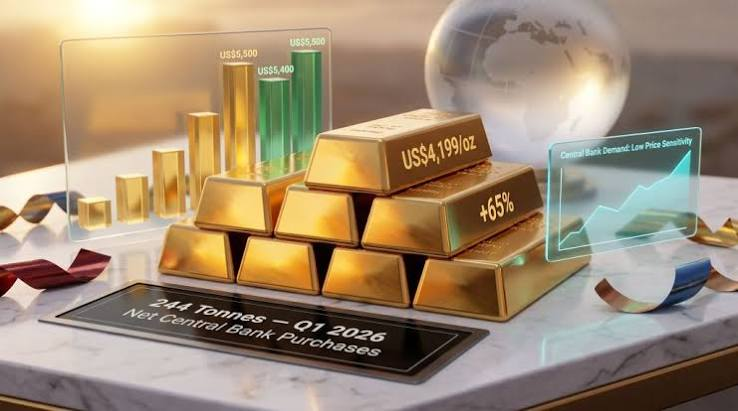
One of the strongest structural factors supporting gold demand has been continued interest from central banks. The World Gold Council reported in June that 89 percent of surveyed reserve managers expected global central bank gold holdings to increase during the following twelve months. A record 45 percent expected their own institutions to increase gold holdings.
That institutional demand provides an important backdrop to the latest price movement. Central banks generally approach gold differently from short term traders. Their decisions can reflect reserve diversification, concerns about geopolitical risk, liquidity considerations and the desire to hold an asset that is not directly dependent on another government’s financial obligations.
The World Gold Council also reported that central banks made net purchases of 289 tonnes in the second quarter of 2026. Poland was the largest reported buyer during the quarter, while China also increased its holdings. Such activity does not guarantee that gold prices will continue rising, but it demonstrates that demand for bullion extends beyond private investors reacting to short term market movements.
Geopolitical Friction Adds Another Layer of Risk
Financial markets are particularly sensitive when geopolitical developments begin affecting energy, trade or international relations. Investors can quickly move from focusing on earnings and economic growth to thinking about supply disruptions, sanctions, military confrontation and the stability of international payment systems.
Gold has historically attracted attention during such periods because it is a globally traded physical asset with no direct issuer. That characteristic does not make it immune to volatility. Gold prices can fall sharply when investors need cash, when the dollar strengthens or when expectations for interest rates change. Still, the metal can serve as one component of a diversified strategy when uncertainty becomes unusually high.
For investors, the emotional side of these markets should not be overlooked. A sudden geopolitical headline can turn an ordinary trading session into a period of intense uncertainty. People who are saving for retirement, paying household bills or managing a small business may have very different reactions from professional traders, yet both groups ultimately face the same market forces.
Decentralized Assets Attract Fresh Attention
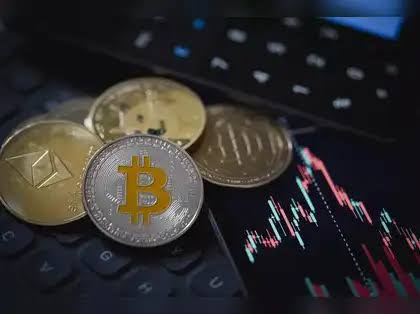
Gold is not the only alternative asset receiving attention. Interest in decentralized assets has also increased as investors consider whether digital networks and independently issued assets can provide diversification from traditional financial institutions.
Digital assets and gold serve very different purposes and carry very different risks. Gold has thousands of years of monetary history, deep physical markets and established central bank usage. Decentralized assets rely heavily on digital infrastructure, market liquidity, network activity and investor confidence. Their prices can also move much more rapidly.
Yet the renewed interest in both categories reflects a similar question. Investors are asking how much of their wealth should remain exposed to conventional financial assets when the macroeconomic environment becomes uncertain.
Different Assets Answer Different Investor Concerns
Gold may appeal to investors seeking a long established store of value and diversification. Decentralized assets may appeal to investors interested in alternative financial networks and digital ownership. Neither category provides a universal solution, and neither removes the possibility of significant losses.
The distinction is particularly important for individual investors. A large institution may have the resources to manage volatility across dozens of asset classes, while a household may have only a limited amount of savings. The same percentage allocation can therefore have very different consequences depending on a person’s financial situation, time horizon and tolerance for losses.
What the Gold Rally Means for Ordinary Investors
The headline price of gold can create a powerful sense of urgency, especially when reports describe record levels. But a rapidly rising asset can also experience sharp corrections. Investors who buy solely because an asset has recently reached a new high may discover that short term momentum can change quickly.
A more measured approach begins with the purpose of the investment. Gold can provide diversification, but it does not produce regular interest or dividends. Physical gold also involves storage and transaction considerations. Gold funds can provide easier market access, but their prices can still fluctuate considerably.
Decentralized assets require an additional layer of caution. Investors must consider custody, security, market liquidity, regulatory conditions and the possibility of substantial price declines. The fact that an asset is decentralized does not mean that it is automatically stable or protected from market shocks.
The Broader Economic Signal Behind the Rally
The significance of the latest gold surge may ultimately extend beyond the bullion market. It suggests that investors are paying close attention to the interaction between interest rates, government debt, inflation expectations and geopolitical developments.
Gold’s strength alongside interest in alternative assets can be interpreted as evidence of a wider desire for diversification. That does not necessarily mean investors are abandoning stocks, bonds or cash. Instead, many may be looking for ways to reduce dependence on any single source of financial stability.
The World Gold Council’s 2026 central bank research describes economic and geopolitical uncertainty as important factors in reserve management decisions. That institutional perspective provides useful context for understanding why gold continues to receive attention even when conventional assets offer attractive yields.
What Could Determine the Next Phase for Gold
Several forces will remain important for gold prices through the remainder of 2026. Changes in Treasury yields, Federal Reserve policy, inflation expectations, the US dollar and geopolitical developments can all influence investor demand. Central bank purchases and consumer demand will also matter, particularly if official institutions continue adding bullion to their reserves.
A sustained easing in geopolitical tensions could reduce some demand for defensive assets. Conversely, deeper economic uncertainty or renewed financial stress could strengthen the appeal of assets viewed as stores of value. Gold can therefore respond not only to what happens in the economy, but also to how investors interpret the direction of risk.
For now, the reported $3,455 an ounce milestone highlights a market searching for stability while several major forces remain unsettled. The lesson for investors is not simply that gold is rising. It is that diversification has become an increasingly visible part of the global conversation about wealth preservation.
As markets absorb higher yields and continuing geopolitical friction, gold and decentralized assets will remain closely watched. Their performance will depend on very different economic and market mechanisms, but their renewed appeal reflects a common concern: when traditional assumptions become less certain, investors begin looking more carefully at where and how they store value.