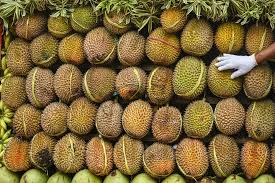
The international trade in durian and other tropical fruits is entering a more demanding phase as exporters across Southeast Asia face closer scrutiny over maturity, pesticide residues, pests, traceability, packaging, and approved shipping routes. For growers standing beneath humid tropical canopies and waiting for the right moment to harvest, these requirements can determine whether a valuable shipment reaches an overseas buyer or becomes a costly rejection.
Why Durian Quality Has Become a Global Trade Issue
Durian has moved far beyond its traditional markets in Southeast Asia. Demand from China has helped turn the fruit into a major agricultural export, while Malaysia, Thailand and Vietnam continue to develop markets for fresh, frozen and processed durian. Mangosteen, rambutan, longan, jackfruit and other tropical fruits are also finding wider international demand.
That growth has brought greater attention from agricultural authorities. Importing countries have strong reasons to examine tropical fruit shipments closely because fresh produce can carry plant pests, diseases, chemical residues and other risks. At the same time, consumers expect fruit sold in supermarkets to meet increasingly consistent standards for safety, freshness and quality.
The result is a more detailed compliance process from farm to packing facility and eventually to the border. Exporters now have to think about much more than producing attractive fruit. They must be able to demonstrate where it came from, how it was handled, whether it met maturity requirements and whether the shipment followed the exact conditions agreed between exporting and importing authorities.
Thailand Tightens Its Durian Quality Controls
Thailand has placed particularly strong attention on durian quality during the 2026 season. The government has introduced strict enforcement of a four part quality policy covering immature fruit, pest contamination, fraudulent origin certification and chemical residues.
The measures include checks on fruit maturity before harvest, pest controls, supply chain traceability and random chemical residue testing before shipments leave the country. Thai authorities have also reported that laboratories registered with Chinese customs are operating to support export inspections, including monitoring for chemical and cadmium contamination.
The country’s agricultural authorities have linked these controls directly to consumer confidence and the long term position of Thai durian in international markets. Thailand has projected durian export revenue of more than 150 billion baht in 2026, making the integrity of the supply chain an issue with consequences for growers, exporters, packing houses and logistics companies alike.
Thailand’s official government information service has described the stricter approach as part of an effort to protect the reputation of Thai durian while maintaining access to major overseas markets.
Harvest maturity is becoming especially important
One of the most difficult quality issues involves harvesting fruit before it reaches the required stage of maturity. A durian that looks ready from the outside may not have developed the expected flesh texture, aroma or sweetness inside.
For an exporter, the problem becomes even more serious after the fruit has entered international transportation. Once a shipment is on an aircraft, truck or vessel, there is little opportunity to correct poor harvesting decisions. A rejected shipment can therefore represent the loss of weeks or months of agricultural work.
Stricter maturity controls are intended to reduce that risk before fruit reaches consumers. They also encourage exporters to develop more reliable harvesting systems rather than relying entirely on visual judgment.
China Remains a Critical Market for Southeast Asian Fruit
China is central to the regional durian trade, and its import requirements have become an important reference point for exporters. Malaysia’s experience during 2026 illustrates how closely authorities are watching compliance with bilateral protocols.
In July, Malaysia’s Department of Agriculture said fresh Malaysian durians could not be exported to China through overland routes involving transit countries because those routes were outside the existing bilateral export protocol. The department said a new agreement or amendment would be required before such routes could be used.
The episode demonstrates that market access depends not only on the condition of the fruit itself. The route, documentation, registered farms, approved packing facilities and inspection procedures can all matter.
Malaysia’s export protocol with China also provides for inspection sampling before export. Under the established arrangement, authorities sample 2 percent of each consignment during the initial period, with the proportion potentially falling to 1 percent if there are no quarantine problems over the specified period. Shipments containing quarantine pests of concern, leaves or soil can be refused for export.
For Malaysian producers, these rules make traceability increasingly important. Farms and packing facilities need records that can connect the fruit in a particular shipment to its origin and handling process. This is especially relevant as exporters seek to move larger quantities while maintaining access to premium markets.
European and American Markets Have Their Own Requirements
Western markets add another layer of complexity because import controls are not identical from one destination to another. A shipment that meets the conditions of an Asian buyer cannot automatically be assumed to meet American or European requirements.
The European Union maintains extensive plant health controls for goods entering from outside the bloc. Interestingly, durian is currently among a small group of fruits that do not require a phytosanitary certificate under the general EU plant health rules. Pineapple, coconut, banana and dates are also included in that exemption.
That exemption does not mean tropical fruit exporters can ignore European food safety requirements. Pesticide residue limits, food safety rules, labeling requirements and other controls can still apply depending on the product and circumstances.
The European regulatory system also maintains specific monitoring requirements for certain imported agricultural products. A 2026 implementing regulation includes controls concerning pesticide residues for fresh Vietnamese durian, showing how market access can involve targeted monitoring even when broader plant health certification is not required.
The situation in the United States is different. The USDA Animal and Plant Health Inspection Service explains that import requirements vary according to the commodity and country of origin and directs traders to its Agricultural Commodity Import Requirements database. Fresh fruits and vegetables can be subject to restrictions, inspections and phytosanitary measures because of the risk of introducing agricultural pests and diseases.
Food safety rules also matter. The U.S. Food and Drug Administration states that food importers are responsible for ensuring imported food is safe, sanitary and properly labeled, while imported food may be inspected at ports of entry.
What Tighter Inspection Means for Exporters
For a large exporter, stricter inspection may require more laboratory testing, documentation and investment in packing facilities. For a small farm, however, the consequences can feel much more immediate.
A farmer may have spent months managing irrigation, pests and fertilizer while waiting for a narrow harvest window. If fruit is rejected because of residue levels or an incomplete export record, the financial loss can reach far beyond the value of a single shipment.
This is why governments and industry groups are increasingly focused on traceability and farm level compliance. The goal is not simply to inspect fruit after it arrives at a border. The more effective approach is to reduce problems before the produce leaves the farm.
- Maintain accurate farm and harvest records.
- Use approved agricultural practices and monitor pesticide applications carefully.
- Verify maturity before harvesting export fruit.
- Use registered and approved packing facilities where required.
- Check destination specific documentation before every shipment.
- Confirm approved transportation routes and border entry points.
These measures can add costs, but they can also reduce the risk of rejected cargo and protect long term relationships with international buyers.
Quality Controls Could Reshape the Tropical Fruit Supply Chain
The tightening of standards may gradually change how tropical fruit is produced and sold. Exporters with reliable testing systems, strong traceability and modern packing operations may find it easier to serve demanding markets. Smaller producers may increasingly rely on cooperatives, certified packing houses and export partners to meet requirements that would be expensive to manage alone.
Technology is also becoming more relevant. Digital farm records can connect individual shipments with their source farms. Laboratory testing can identify chemical residues before fruit leaves the country. Temperature monitoring can help protect quality during transportation, while standardized grading systems can give buyers clearer information about what they are purchasing.
For highly perishable products, speed remains equally important. Malaysian industry participants, for example, have been exploring faster customs procedures for durian shipments moving between Kuala Lumpur and China. A proposed inspection and release model could reduce the time required for compliant shipments to clear customs, illustrating how stricter checks do not necessarily have to mean slower trade.
What Consumers May Notice
For consumers, tighter controls may appear in subtle ways. Some varieties may become more consistently available, while others may experience temporary shortages when exporters struggle to meet destination requirements. Retail prices can also respond to inspection costs, transport conditions, seasonal supply and rejection rates.
At the same time, stronger quality systems can improve confidence. A durian that arrives with predictable maturity and documented origin offers a very different buying experience from fruit whose quality varies widely from one shipment to another.
The same principle applies to other tropical fruits. Mangosteen, rambutan, longan, jackfruit and specialty produce all face the challenge of surviving a long journey while maintaining food safety and commercial quality.
A More Disciplined Future for Tropical Fruit Trade
The changes now visible across Southeast Asian fruit markets suggest that international trade is becoming increasingly dependent on measurable standards. Producers can no longer rely only on reputation, seasonal demand or established buyer relationships. They must demonstrate compliance with the rules of each destination.
That transition will not be effortless. It will require investment, training, laboratory capacity and closer cooperation between farmers, exporters, government agencies and logistics providers. Yet stronger controls can also protect the reputation of entire producing regions. When a shipment consistently meets the expectations of buyers, trust becomes an economic asset.
For the farmer watching a durian ripen beneath the tropical heat, the final export decision may now depend on records, testing and inspection as much as the fruit itself. For consumers thousands of miles away, those invisible steps can determine whether the fruit arriving on a market shelf is safe, traceable and ready to deliver the quality they paid for.
As Southeast Asian exporters continue expanding into major Asian, European and American markets, compliance will increasingly become part of the commercial foundation of the tropical fruit trade. The countries and companies that can combine careful cultivation with reliable documentation, testing and logistics will be better positioned to maintain access as international buyers demand greater consistency from every shipment.