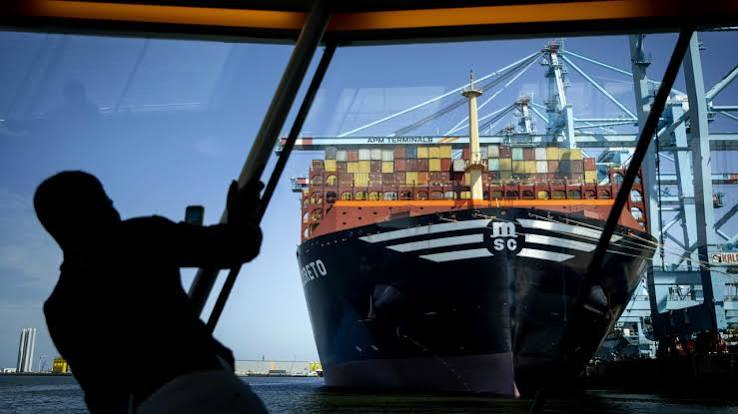
Legal pressure across the maritime freight industry is intensifying as private lawsuits, government enforcement actions, and antitrust investigations increasingly focus on alleged price fixing, unfair charges, and restrictions affecting the movement of goods. For importers, exporters, trucking companies, manufacturers, and ordinary consumers, the disputes are about more than corporate legal bills. They reach into the price of shipping containers, the cost of moving merchandise through ports, and the reliability of supply chains that connect factories with stores around the world.
A New Legal Chapter for the Global Freight Industry
The latest wave of litigation follows a series of significant enforcement actions in the United States involving companies that serve the maritime transportation system. The cases illustrate how competition authorities and private businesses are examining different parts of the freight chain, from the manufacture of shipping containers to charges imposed by ocean carriers.
In May 2026, the U.S. Department of Justice announced criminal charges against four major container manufacturing companies and seven executives over an alleged conspiracy involving the production and pricing of standard dry shipping containers. Prosecutors said the alleged conduct restricted output and contributed to substantially higher container prices between 2019 and 2021. The government described the alleged conspiracy as affecting billions of dollars in commerce.
The allegations have already created a pathway for private litigation. In June, an importer and a trucking provider filed class action lawsuits against companies and executives named in the criminal case, seeking damages and other financial remedies. The development matters because private antitrust cases can continue independently from government proceedings and may involve businesses that believe they suffered direct financial harm.
The U.S. Department of Justice remains one of the central federal institutions responsible for enforcing American antitrust laws, while maritime specific competition issues can also fall under the authority of the Federal Maritime Commission.
Why Shipping Container Prices Matter Beyond the Port
A shipping container may look like an ordinary steel box sitting on a dock, but its economic importance is enormous. The same container can carry clothing from Asia, machinery from Europe, furniture from North America, or consumer products headed toward retailers thousands of miles away.
When the cost of containers rises sharply, the effect can travel through several layers of commerce. Importers may pay more for transportation. Trucking companies may face higher equipment expenses. Manufacturers may adjust purchasing decisions. Retailers may reconsider inventory levels. Eventually, some of those costs can reach consumers through higher prices.
That chain helps explain why cartel allegations attract attention from businesses that never manufacture containers themselves. A company does not need to produce steel boxes to be financially affected by their price. It may simply depend on them to bring products into a market.
Private lawsuits can seek financial recovery
Government enforcement and private litigation serve different purposes. A criminal or regulatory investigation can seek penalties or other remedies under applicable law. A private lawsuit can allow an affected company to seek compensation for losses it says resulted from unlawful conduct.
In antitrust matters, private plaintiffs may examine contracts, invoices, shipping records, communications, purchasing data, and market prices. The central questions can include what prices were paid, how those prices changed, what competitors were doing, and whether the alleged conduct caused measurable financial harm.
That process can take considerable time. Allegations in a complaint are not proof, and defendants have opportunities to challenge the claims, dispute causation, and present their own evidence. Courts ultimately determine which claims can proceed and whether damages or other remedies are appropriate.
Ocean Carriers Are Facing Separate Scrutiny
The container manufacturing litigation is only one part of the broader legal pressure surrounding maritime commerce. U.S. regulators have also been examining the practices of ocean carriers that transport cargo between international ports.
In January 2026, the Federal Maritime Commission opened an investigation into whether ocean common carriers were using practices that could improperly restrict truckers and shippers in their choice of chassis providers. Chassis are essential pieces of equipment used to move containers by road after they leave a vessel. The investigation reflects a wider regulatory concern about whether powerful participants in the transportation chain can limit the commercial choices available to smaller businesses.
The agency has also pursued cases involving detention and demurrage charges. In July 2026, the U.S. Court of Appeals for the District of Columbia Circuit upheld an FMC determination involving detention fees charged when a port was closed and a trucker could not reasonably return equipment.
The court decision reinforced a practical issue that businesses have raised for years. A fee may look straightforward on paper, but the circumstances surrounding a shipment can determine whether the charge is reasonable. Port closures, congestion, appointment availability, equipment shortages, and operational disruptions can leave a company responsible for delays it did not cause.
Major Shipping Companies Are Already Seeing Enforcement Actions
The Federal Maritime Commission has taken enforcement action against major ocean carriers during 2026. In May, the agency announced a $1.9 million civil penalty involving Maersk A S. The settlement concerned allegations that detention charges were assessed against third parties that had not agreed to be bound by certain contractual terms. Maersk agreed to change its practices, issue refunds and waivers to affected parties, and pay the penalty without admitting violations.
Earlier in the year, the FMC concluded an enforcement proceeding involving Mediterranean Shipping Company. The agency imposed a $22.67 million civil penalty after finding violations of the Shipping Act involving deceptive billing practices.
These proceedings demonstrate why the distinction between a cartel case and a broader shipping enforcement matter is important. Not every dispute involving freight charges constitutes price fixing. Some cases concern billing practices, contractual obligations, equipment access, or whether charges are reasonable under maritime law.
The Federal Maritime Commission describes its mission as maintaining a competitive and reliable international ocean transportation system while protecting the public from unfair and deceptive practices.
Shipping Alliances Add Another Layer of Competition Questions
The structure of the global container shipping market makes competition oversight particularly complex. Large carriers can cooperate through agreements covering vessel sharing, routes, schedules, and other operational matters. Such cooperation can produce efficiencies, but regulators also have to consider whether collaboration could reduce competition or increase transportation costs.
U.S. maritime law provides a limited framework under which certain agreements can receive protection from antitrust laws. Those agreements are filed with the FMC, which monitors their potential competitive effects.
The issue becomes especially significant when several major carriers operate within the same trade lanes. A shipper comparing freight rates may see a market with several brands, yet some of those companies may cooperate in parts of their operations. Regulators therefore examine not only the number of companies visible to customers but also how commercial agreements influence pricing, capacity, service levels, and access to transportation.
What the Expanding Litigation Means for Businesses
For companies that depend heavily on international shipping, the current legal environment creates a practical reason to examine freight expenses more closely. Businesses can begin by keeping detailed records of transportation contracts, container costs, accessorial fees, detention charges, equipment expenses, and communications with carriers or intermediaries.
Strong documentation can become valuable when a company later needs to determine whether an unexpected charge was contractually permitted or whether a pattern of pricing deserves closer legal review. Businesses operating across several countries should also recognize that maritime competition rules vary between jurisdictions.
- Keep complete copies of freight contracts and amendments.
- Track container, chassis, detention, demurrage, and terminal charges separately.
- Record unusual price changes and significant service disruptions.
- Preserve communications concerning disputed fees or restricted equipment access.
- Seek qualified legal advice before making allegations of cartel behavior or antitrust violations.
These steps do not establish that unlawful conduct occurred. They simply give businesses a clearer factual record when disputes arise.
The Human Cost Behind Corporate Freight Disputes
Legal documents often reduce these disputes to numbers, contracts, and statutory provisions. Behind those records are people waiting for inventory, factory workers waiting for materials, truck drivers waiting for appointments, and small businesses watching delivery costs consume a larger share of their margins.
A container delayed at a crowded port can mean an empty retail shelf several days later. A higher freight bill can force a small importer to postpone an order. A disputed equipment charge can become a serious problem for a trucking company operating on narrow margins.
That is why competition in maritime transportation matters beyond the boardrooms of the largest logistics firms. Reliable freight markets affect the everyday movement of goods and the financial stability of businesses that may have little bargaining power when negotiating with large transportation providers.
What Comes Next for Maritime Litigation
The next stage of these disputes is likely to focus heavily on evidence. Government prosecutors will continue pursuing their cases according to applicable criminal law, while private plaintiffs must establish the legal and economic elements required for their claims. Defendants will have opportunities to challenge allegations, evidence, damages calculations, and questions of causation.
Regulators will also continue examining how shipping alliances, freight contracts, equipment access, and billing practices affect competition. The result may be a more closely monitored maritime sector in which large carriers and logistics companies face greater scrutiny over how they interact with customers and competitors.
For the global supply chain, the significance is straightforward. Maritime transportation works best when cargo can move predictably, prices reflect genuine market conditions, and businesses have meaningful choices when purchasing transportation services. The expanding combination of private lawsuits and public enforcement does not by itself establish wrongdoing across the industry, but it does show that competition and fairness in international freight markets remain subjects of serious legal attention.