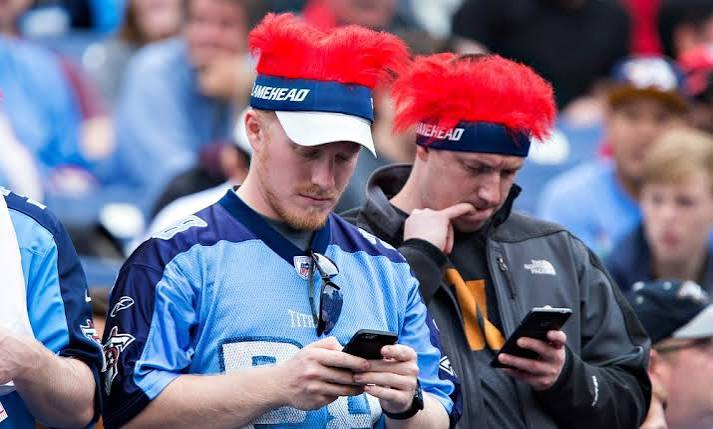
Prediction markets are moving rapidly into the heart of mainstream sports, appearing inside stadiums, alongside major football organizations and in celebrity advertising campaigns. The expansion is changing how fans encounter event contracts, while also raising difficult questions about whether these platforms should be viewed primarily as financial exchanges, sports wagering businesses, or something increasingly difficult to classify.
Prediction Markets Find a Natural Home in Sports
The connection between sports and prediction markets is easy to understand. Fans already spend hours discussing who will win, which player will score, how many runs a baseball team might produce, or whether a club will advance in a tournament. Prediction platforms turn those questions into tradable contracts whose values change as expectations change.
That concept has become much more visible during 2026. Data analyzed by the Pew Research Center shows that combined monthly trading volume on Kalshi and Polymarket rose from about $26 billion in May to nearly $53 billion in July. Sports accounted for much of that increase, with trading activity accelerating during the FIFA World Cup.
The numbers help explain why major sports organizations have become attractive partners. A prediction platform does not need to persuade an existing sports fan to care about a particular game. The fan already cares. The commercial opportunity is to place a financial product directly inside an environment where attention is already concentrated.
The Pew Research Center has documented the rapid increase in prediction market activity and the growing importance of sports contracts to that expansion.
Major Sports Teams Are Now Part of the Marketing Strategy
One of the clearest examples came in August, when Kalshi announced partnerships with five Major League Baseball organizations. The Atlanta Braves, Boston Red Sox, Los Angeles Dodgers, San Diego Padres and San Francisco Giants became part of the company’s growing sports partnership program.
The arrangements include stadium signage, social media activity, broadcast promotions and fan experiences. At Dodger Stadium, for example, Kalshi received naming rights connected with a hospitality area while also gaining advertising space throughout the venue.
The significance goes beyond a logo on a wall. When a prediction platform becomes an official partner of a professional team, the product begins appearing in the same commercial environment as apparel companies, financial institutions, food brands and technology companies. That association can make a relatively unfamiliar financial product feel much more familiar to ordinary fans.
The New York Yankees also announced a partnership with Polymarket in August. The agreement included stadium signage and fan experiences for the remainder of the 2026 Major League Baseball season.
The Major League Baseball website has published partnership announcements involving several of the teams participating in this new prediction market marketing push.
Global Football Is Becoming Another Major Gateway
The international reach of football has given prediction platforms an even larger audience. Kalshi announced official partnerships with the Argentine Football Association and the Croatian Football Federation around the 2026 FIFA World Cup. The Croatia arrangement also included a promotional collaboration with Luka Modric.
These relationships demonstrate how prediction markets are attempting to move beyond the traditional American sports audience. Argentina and Croatia have enormous football followings, and national teams carry cultural significance that extends far beyond the ninety minutes of a match.
Kalshi also reached an agreement with Genius Sports to receive official sports data and integrity services. The arrangement covers a broad soccer portfolio that includes competitions such as the English Premier League, Serie A, Liga MX, Argentine Primera Division and French Ligue 1.
For prediction platforms, access to official data has practical value. Contracts need reliable information for settlement, particularly when markets depend on precise events such as match results, player statistics or tournament progression. For sports organizations, partnerships can provide another commercial channel while giving leagues greater visibility into how prediction activity develops around their competitions.
Celebrity Endorsements Make the Product More Familiar
Sports partnerships are only one part of the expansion. Prediction companies are also using celebrities and athletes to present their products to audiences that may never have considered a prediction market before.
Kalshi launched a campaign featuring global music star J Balvin during the World Cup period. The company had previously worked with athletes and entertainment personalities including Bryson DeChambeau, Timothee Chalamet and Giannis Antetokounmpo.
The appeal of celebrity advertising is straightforward. A financial platform can appear complicated when described through regulatory language, contracts and probability charts. A familiar athlete or entertainer can instead place the product inside an ordinary cultural conversation.
That approach also changes the emotional setting in which people first encounter prediction markets. A person may discover the platform while watching a baseball game, scrolling through an athlete’s social account or viewing an advertisement during a football tournament rather than while researching financial products.
The Difference Between Prediction Markets and Sportsbooks
The growing commercial relationship between prediction platforms and professional sports has intensified an existing debate over classification. Traditional sportsbooks generally operate under state gambling laws in the United States, with licensing requirements that vary by jurisdiction.
Prediction markets have generally presented event contracts differently. Kalshi operates as a federally regulated exchange under the Commodity Futures Trading Commission framework and describes its contracts as financial products tied to real world events. Polymarket has also argued in international regulatory discussions that prediction contracts should be treated as financial products rather than gambling products.
Regulators and courts have not reached a single universal view of sports prediction contracts. Several legal disputes have focused on whether contracts tied to sporting events should be permitted under federal commodities rules or whether they effectively constitute sports wagering that falls under state gambling regulation.
That distinction matters because the legal classification determines which regulators have authority, what consumer protections apply, where contracts can be offered and what restrictions companies must follow.
Why the Boundary Matters for Fans
For a sports fan, the difference between placing a wager and trading a prediction contract may not always feel obvious. Both can involve money, an uncertain outcome and a financial gain or loss tied to an event.
The terminology and legal structure may be different, but consumers still need to understand the economic risk involved. A prediction contract can lose value quickly when new information changes market expectations. The fact that a platform presents itself as a financial exchange does not remove the possibility of losing money.
Fans should therefore examine several details before participating:
- Whether the platform is legally available in their location.
- How contracts are priced and settled.
- What fees or transaction costs apply.
- How quickly a position can be closed.
- What protections exist if a dispute occurs.
These questions are particularly relevant for younger or inexperienced users who may encounter prediction markets through entertainment rather than through conventional financial education.
Sports Organizations See Commercial Opportunity
Professional sports organizations have strong financial reasons to explore these partnerships. Teams compete for fan attention across television, streaming services, social media, mobile applications and stadium experiences. A prediction platform offers another way to encourage interaction during a game.
From the team’s perspective, a fan may not simply watch a baseball inning or a football match. The person may also follow several live markets connected to the event. That can create additional digital engagement before, during and after the game.
The commercial model also provides sports organizations with access to a category that has attracted substantial investment. Prediction markets have become one of the most heavily discussed new areas within financial technology, particularly after the enormous interest generated by political and sporting events.
Yet there is a reputational question that teams cannot easily avoid. When a family attends a baseball game, the presence of prediction market advertising can introduce financial risk products into an environment historically centered on entertainment. That makes responsible communication and clear consumer information increasingly important.
Integrity and Official Data Are Becoming Central Issues
The closer prediction markets move toward professional sports, the more important sports integrity becomes. Leagues have spent decades developing systems designed to detect unusual activity, protect competition and investigate potential manipulation.
Prediction platforms can benefit from access to official data because accurate information helps settle contracts consistently. Sports organizations can also gain visibility into unusual market activity when information sharing agreements are established.
This does not eliminate every integrity concern. A prediction market involving a player statistic or specific game event can create financial incentives around information that might otherwise remain purely part of sporting competition. The challenge for regulators and leagues is to make sure that trading activity does not interfere with the fairness of the underlying event.
International Expansion Adds Another Regulatory Challenge
The global ambitions of prediction platforms create an additional layer of uncertainty. Rules governing financial contracts and gambling differ significantly between countries.
Polymarket has been seeking broader acceptance in Europe and the United Kingdom while arguing that its products should be treated as financial instruments. European regulators have raised concerns about issues including insider trading and the suitability of prediction markets for retail participants.
Sports make the question particularly complicated because a single match can attract participants from dozens of countries while the legal treatment of event contracts can vary dramatically between those jurisdictions.
What the Future Could Look Like
The partnership trend suggests that prediction markets are no longer operating at the edges of sports culture. Stadium signage, official team relationships, national football partnerships, celebrity campaigns and professional data agreements are bringing them into highly visible spaces.
That growth does not settle the legal debate. Courts and regulators will continue determining how sports contracts should be classified and which rules should apply. Sports leagues will also have to decide how closely they want to associate their brands with financial products that can expose fans to monetary losses.
For fans, the most meaningful change may be cultural. Prediction markets are turning questions that once existed mainly as conversations among friends into products that can be bought and sold in real time. A supporter watching a decisive baseball inning may now encounter the game not only as a contest between teams but also as a stream of changing probabilities and financial positions.
That convergence of sports, finance and entertainment is likely to remain a major feature of the market as companies pursue new partnerships and international audiences. The commercial opportunity is substantial, but so is the responsibility to make the risks clear. As prediction markets become more visible inside the sports people love, informed participation will depend on understanding both the excitement of the event and the financial consequences attached to the contract.