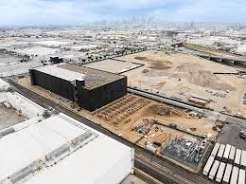
Global commercial real estate investment recorded a striking $9.5 billion surge in the third quarter, with international institutional investors directing significant attention toward data centers. The September 28, 2026 development highlights how demand for digital infrastructure is reshaping commercial property markets, as investors increasingly view facilities supporting cloud computing, artificial intelligence and data storage as strategic real estate assets rather than conventional technology infrastructure.
Data Centers Take Center Stage in Global Property Investment
The latest investment surge reflects a major change in how institutional capital approaches commercial real estate. Office towers, shopping centers, hotels and industrial properties remain important parts of the market, but data centers have become increasingly attractive because they sit at the intersection of property, technology and essential digital services.
For institutional investors managing large portfolios, the appeal is closely tied to the growing volume of information generated and processed by businesses and consumers. Cloud services, artificial intelligence systems, streaming platforms, financial applications and enterprise software all require physical computing infrastructure. Behind the services people access through a screen are large facilities filled with servers, cooling equipment, power systems and network connections.
That physical foundation has created a new category of commercial property demand. Investors are increasingly examining not only the building itself but also its access to electricity, fiber networks, land, water resources and major population or business centers.
Why International Institutional Capital Is Moving Toward Digital Infrastructure
Institutional investors such as pension funds, insurance companies, sovereign investment organizations and large asset managers generally seek assets capable of supporting long term portfolio objectives. Data centers can fit that strategy because demand for computing capacity is closely connected to the continued expansion of digital services.
The investment case is also influenced by the scarcity of suitable locations. A data center cannot simply be built anywhere. Developers need sufficient power capacity, reliable connectivity, appropriate land and regulatory conditions. In some markets, securing electricity has become as important as securing the physical property.
This combination of growing demand and limited suitable locations can make established data center markets particularly attractive to investors. It can also encourage capital to search internationally for markets where infrastructure, energy availability and development conditions can support additional capacity.
Artificial Intelligence Is Changing the Property Equation
The rapid expansion of artificial intelligence has added another layer to data center demand. AI systems require substantial computing resources, and advanced workloads can require specialized infrastructure capable of supporting high performance processors and intensive cooling requirements.
That has implications far beyond the technology sector. When demand for computing capacity increases, developers need physical facilities to house the equipment. Investors then become part of a chain that connects financial capital with land development, electricity generation, construction and digital services.
From an investment perspective, this makes data centers unusual assets. Their value is influenced by traditional property fundamentals, but it is also tied to technology requirements that can change quickly. A facility with strong power availability and modern infrastructure may be well positioned for demand, while an older property may require significant investment to remain competitive.
The $9.5 Billion Surge Signals a Broader Market Shift
The reported $9.5 billion third quarter surge is significant because it points to the scale of international interest flowing into commercial real estate connected with digital infrastructure. The figure also illustrates how a relatively specialized property category can influence wider investment patterns.
When large institutional investors allocate capital toward data centers, the impact can extend into surrounding industries. Construction companies, engineering firms, energy providers, network operators and property developers can all become part of the investment cycle.
Local communities can experience changes as well. New facilities can create construction employment, generate tax revenue and increase demand for supporting infrastructure. At the same time, communities may have questions about electricity consumption, water use, land availability, noise and the long term effect on local resources.
Power Supply Has Become a Critical Real Estate Factor
One of the most important considerations for modern data center development is electricity. Large computing facilities can require substantial and continuous power, making energy availability a central component of site selection.
This creates an unusual relationship between real estate and the energy sector. A property may appear attractive because of its location and available land, but development can become difficult if the local electricity grid cannot provide enough capacity.
Investors and developers therefore need to consider questions that would have received less attention in traditional commercial property transactions:
- How much electricity can the site reliably receive?
- Can the local grid support additional demand?
- What renewable energy options are available?
- How quickly can new power infrastructure be developed?
- What cooling resources are available for the facility?
These factors can influence development timelines, operating costs and the long term attractiveness of a data center property.
International Investment Brings Opportunities and Risks
Cross border investment can provide important sources of capital for markets seeking to expand their digital infrastructure. International investors can bring financing, development expertise and relationships that help large projects move forward.
However, global investment also introduces additional considerations. Investors must understand local property regulations, taxation, energy policies, environmental requirements and political conditions. Currency movements can also affect the final return when capital is deployed across borders.
Data centers add another layer because digital infrastructure can have national importance. Governments may view certain facilities as strategically significant because they support communications, financial services, government systems and business operations.
For investors, this means due diligence needs to extend beyond traditional property analysis. The physical building matters, but so do the infrastructure networks and regulatory systems surrounding it.
Commercial Real Estate Is Becoming More Closely Tied to Technology
The rise of data center investment reflects a larger change in the definition of commercial real estate. Property markets have always responded to economic and technological shifts, but the relationship is becoming increasingly direct.
Online shopping changed demand for warehouses and distribution centers. Remote work altered office demand. Digital entertainment increased the need for network infrastructure. Artificial intelligence is now influencing demand for computing facilities.
Each technological shift creates physical requirements. That is why the property sector remains closely connected to developments that may initially appear to belong entirely to technology.
For investors studying commercial real estate, this means that traditional indicators such as occupancy, rent and location may no longer provide the complete picture for specialized assets. Infrastructure quality, energy access, connectivity and technology requirements can be equally important.
What the Surge Means for Developers and Communities
Developers responding to institutional demand face the challenge of building facilities that can remain useful as computing requirements evolve. A data center designed today needs to account for future changes in processors, cooling systems, power requirements and network capacity.
Communities also have a legitimate interest in how these developments are planned. Large facilities can bring economic activity, but they may require substantial infrastructure investment. Transparent planning can help residents understand how a project could affect employment, local services, electricity demand and environmental conditions.
The US Department of Energy provides extensive information about electricity infrastructure and energy systems, areas that are increasingly relevant to discussions surrounding large computing facilities.
Investors Are Looking Beyond the Building
The strongest lesson from the latest global investment figures is that data center real estate cannot be evaluated as a conventional building alone. Its value is closely connected to the network of infrastructure that makes the facility operational.
A modern data center requires dependable electricity, high quality connectivity, physical security, efficient cooling and access to suitable land. It also needs customers willing to pay for computing capacity. Each of these elements affects the economic performance of the property.
Institutional investors therefore have to assess the complete operating environment. A building in an attractive location may not be competitive if it lacks sufficient power or network capacity. Conversely, a less prominent location can become valuable if it provides reliable infrastructure and room for expansion.
What Comes Next for Global Real Estate Capital
The record third quarter inflow shows that international institutional demand is placing digital infrastructure firmly within the commercial real estate conversation. Data centers have become important targets for capital because they provide physical capacity for services that businesses and consumers increasingly depend upon.
Whether the current pace of investment continues will depend on several factors, including interest rates, construction costs, electricity availability, technology demand and the ability of markets to approve new infrastructure. Investors will also need to evaluate whether projected demand can support the substantial capital required to develop and operate these facilities.
For now, the $9.5 billion surge offers a clear indication of where a significant portion of global property capital is moving. The story is not simply about buildings filled with servers. It is about the physical infrastructure required to support an economy increasingly dependent on computing.
As institutional investors continue examining opportunities around the world, commercial real estate is becoming more closely connected to energy, telecommunications and artificial intelligence. That convergence is changing what makes a property strategically valuable and creating a new generation of investment opportunities that would have been difficult to imagine in the traditional property market.