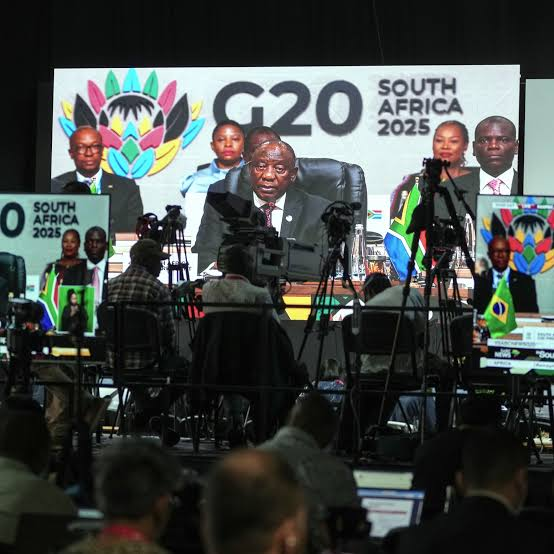
Energy remains a basic input for nearly every major sector of the economy. Factories need electricity and fuel, farmers depend on energy for machinery and fertilizer production, and transport companies must pay to move goods across roads, ports, and shipping routes. When oil and gas prices rise sharply or supply becomes uncertain, these costs can spread through supply chains and reach consumers in the form of higher prices.
The impact is rarely distributed evenly. Countries that import much of their energy may face larger bills for the same volume of fuel, putting pressure on trade balances and foreign currency reserves. Exporting countries may benefit from higher energy revenues, but they can still face volatility, uncertain investment conditions, and higher costs for imported goods. Lower income households are particularly exposed because energy, food, and transport often consume a substantial share of their budgets.
For finance ministers, the immediate concern is how to protect economic stability without committing governments to expensive measures that cannot be sustained. Broad fuel subsidies or tax reductions may ease pressure quickly, but they can also strain public budgets and sometimes provide larger benefits to higher income households that consume more energy. Targeted assistance can direct limited resources toward families and businesses most affected by rising costs, although effective targeting requires reliable public systems and careful implementation.
Middle East Tensions and Their Wider Economic Consequences
The Middle East occupies an important position in global energy markets and international trade. Geopolitical friction in the region can influence oil and gas prices, shipping insurance, investment decisions, and the confidence of companies planning cross border operations. Even when energy production continues, uncertainty about future supplies or the safety of key shipping routes can lead traders and businesses to reassess their costs and risks.
These pressures can spread through several channels. More expensive fuel raises transport costs, which can affect food distribution and the price of manufactured goods. Higher shipping and insurance expenses can delay deliveries or make some routes less attractive. Businesses facing uncertain costs may postpone expansion, while investors may move toward assets they consider safer, changing borrowing conditions for governments and companies.
The economic consequences also extend to countries directly affected by regional instability. Disrupted tourism, weaker business activity, damaged infrastructure, and interruptions to trade can reduce employment and government revenue. Countries with limited fiscal reserves may have less capacity to support households or maintain essential public services when shocks persist.
It is important to distinguish between risks discussed by policymakers and confirmed economic outcomes. The extent of the damage depends on how long tensions continue, whether energy and shipping flows are interrupted, how markets respond, and what measures governments take. A period of heightened uncertainty does not automatically mean a global recession, but it can make economic planning more difficult for both public and private institutions.
Inflation and Slowing Growth Create a Difficult Policy Choice
Energy driven inflation presents a particular challenge for central banks because it can raise prices even as higher costs weaken consumer spending and business investment. If fuel becomes more expensive, households may have less money available for other purchases. Companies may face rising operating expenses while finding it harder to pass every increase on to customers.
Central banks must then assess whether higher energy prices are likely to produce a temporary increase in inflation or a more persistent rise in prices across the economy. A temporary shock may not require the same response as widespread inflation that becomes embedded in wage agreements, business pricing decisions, and public expectations. Monetary policy works with delays, so raising interest rates too aggressively can weaken demand after the original energy shock has already eased.
Keeping interest rates too low for too long can also create problems if inflation expectations rise. Households may lose purchasing power, businesses may struggle to plan budgets, and investors may demand higher returns to compensate for uncertainty. Central banks therefore need to evaluate incoming data carefully rather than assume that every increase in energy prices requires an identical policy response.
Finance ministries face a related dilemma. Support for households can soften the immediate impact of higher bills, but extensive spending may increase deficits and add to demand when supply is constrained. The strongest approach often depends on a clear division of responsibilities: monetary policy works to maintain price stability, while fiscal measures address specific hardships and protect essential services.
Why G20 Coordination Matters
The Group of Twenty brings together major advanced and emerging economies whose decisions influence international trade, investment, finance, and energy demand. Its members do not share identical economic conditions or political priorities. Some are major energy exporters, others depend heavily on imported fuel, and many must manage domestic inflation while protecting employment and public investment.
That diversity makes coordination difficult, but it also gives the group an important role. A shock that affects one region can influence currency markets, financing costs, commodity prices, and trade flows elsewhere. When major economies communicate clearly and avoid abrupt policy changes that unnecessarily disrupt markets, they can help reduce uncertainty for businesses and investors.
International discussions can also identify areas where national policies have cross border consequences. Sudden restrictions on trade, poorly coordinated subsidies, or unclear energy policies may shift costs onto other countries. Cooperation does not require every government to adopt the same measures. It requires policymakers to understand how their choices affect trading partners and to communicate the reasons for major decisions.
The International Monetary Fund monitors global economic conditions and advises governments on macroeconomic stability, public finances, and financial risks. Its analysis can help policymakers compare national experiences and assess how energy price shocks, inflation, and tighter financial conditions interact across regions.
Protecting Vulnerable Households Without Deepening Fiscal Stress
For families, the consequences of economic instability often appear in ordinary decisions. A higher fuel bill may mean fewer grocery purchases, a more expensive commute, or less money available for school expenses. Small businesses face similar choices when electricity, transport, and borrowing costs rise together. These pressures can weaken consumer demand, making it harder for businesses to maintain sales and protect jobs.
Governments can respond with temporary cash assistance, targeted energy support, or carefully designed help for essential services. The aim is to provide relief to people who need it most while preserving incentives to conserve energy and avoiding commitments that become difficult to withdraw. Assistance should be transparent, time limited where appropriate, and reviewed as conditions change.
Public finances are especially important for countries already carrying heavy debt burdens. Higher borrowing costs can make it more expensive to refinance existing obligations just as governments face calls for additional spending. Policymakers may need to prioritize essential services, improve the efficiency of public expenditure, and protect productive investment rather than relying on broad measures that benefit all consumers regardless of need.
Emerging Economies Face Uneven Risks
Many emerging and developing economies are vulnerable to changes in global energy prices, currency movements, and international financing conditions. A country that imports large quantities of fuel may need to spend more foreign currency to maintain the same level of energy consumption. If its currency weakens at the same time, imported energy can become even more expensive in local terms.
Higher import costs can widen trade deficits and add pressure to inflation. Central banks may face difficult decisions if they must support confidence in the currency while avoiding further damage to economic activity. Governments with limited fiscal room may struggle to provide relief, especially when households already face high food prices or limited access to reliable energy.
These risks underline the importance of international financial cooperation. Access to emergency financing, credible economic policy, and well designed support for vulnerable countries can help prevent temporary external shocks from becoming prolonged economic crises. At the same time, countries need policies that strengthen resilience over the longer term, including more diversified energy supplies, efficient infrastructure, and stronger public financial management.
Energy Security and the Long Term Investment Challenge
Short term stabilization is only one part of the policy challenge. Governments must also consider how to reduce exposure to future energy disruptions. Diversifying energy sources, improving electricity grids, investing in storage, and expanding access to reliable power can make economies less vulnerable to sudden changes in global fuel markets.
These investments require careful planning and substantial financing. Energy infrastructure takes time to build, and projects must account for reliability, affordability, environmental effects, and local needs. Countries will also differ in the resources available to them. Some can invest rapidly in alternative sources, while others need international finance, technical support, or gradual changes that reflect existing infrastructure.
Businesses have a role to play as well. Improving energy efficiency, reviewing supply chains, and planning for alternative sources of power can reduce exposure to price swings. Such measures may involve upfront costs, but they can help firms manage uncertainty and avoid relying on a single source of energy or a vulnerable transport route.
For international policymakers, the central issue is how to combine immediate economic relief with investment that makes future shocks less damaging. Delaying long term improvements may preserve funds in the short run but leave countries exposed when the next disruption occurs.
What Markets and Policymakers Will Watch Next
The effect of the G20 discussions will depend on whether shared concerns translate into practical decisions. Markets and businesses will look for clarity on the economic outlook, fiscal priorities, central bank assessments, and measures intended to maintain stable energy supplies. Governments will also need to monitor whether higher energy costs are spreading into food prices, wages, transport, and other services.
Several indicators can help explain how the situation develops:
- Energy prices and supply: Sustained increases or interruptions in major supply routes could prolong inflationary pressure.
- Inflation expectations: Changes in household and business expectations can help central banks judge whether a price shock is becoming more persistent.
- Economic activity: Consumer spending, industrial output, and business investment can show whether higher costs are weakening growth.
- Borrowing conditions: Government bond yields and private lending costs can reveal whether financial pressure is increasing.
- Public support measures: The design and cost of assistance programs will help determine whether governments can protect vulnerable groups while maintaining fiscal discipline.
These indicators should be considered together rather than in isolation. A temporary rise in energy prices may have a different impact from a prolonged disruption accompanied by weaker growth and more expensive borrowing. Clear communication from policymakers can help households and businesses make decisions even when uncertainty remains high.
A Test of Global Economic Cooperation
The October 14 and 15 meetings place a familiar but increasingly difficult task before global economic leaders: managing the consequences of geopolitical uncertainty while protecting price stability, jobs, and long term growth. Energy volatility can spread rapidly through an interconnected economy, but its effects are not inevitable or identical in every country. Policy choices, financial resilience, and international cooperation all influence the eventual outcome.
G20 coordination cannot resolve every regional conflict or prevent every market shock. It can, however, provide a forum for governments and central banks to share assessments, identify common vulnerabilities, and reduce the risk that uncoordinated responses make conditions worse. Credible public communication and targeted support can also help preserve confidence while the economic effects become clearer.
The most effective response will balance immediate needs with long term resilience. Governments must protect households facing higher costs without allowing emergency measures to overwhelm public finances. Central banks must remain alert to persistent inflation while recognizing the damage that excessive tightening can cause to growth. Businesses and investors, meanwhile, need to prepare for continued uncertainty rather than assume energy markets will quickly return to predictable conditions.
For people far removed from international meeting rooms, the stakes are direct. They are measured in the cost of heating and cooling a home, getting to work, transporting food, and keeping a small business open. The success of global economic coordination will ultimately depend on whether policy decisions help contain these pressures, protect the most vulnerable, and support a recovery that remains sustainable even when geopolitical risks persist.