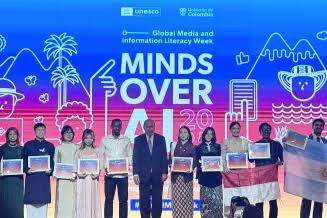
As students scroll through social media feeds, families encounter alarming headlines, and communities debate information shared online, the ability to distinguish reliable reporting from misleading content has become an essential life skill. On October 15, 2026, UNESCO outlined a global framework for Media and Information Literacy Week 2026, highlighting international cooperation, regional hubs, and programs designed to strengthen digital education, particularly for young people. The initiative places a pressing question at the center of public discussion: how can people become more confident, critical, and responsible participants in an information environment that changes faster than many education systems can adapt?
Why Media and Information Literacy Matters in 2026
Media and information literacy, often shortened to MIL, covers the knowledge and skills people need to find information, assess its reliability, understand how media messages are produced, and communicate responsibly. It includes recognizing misleading claims, checking the origins of images, understanding advertising, protecting personal information, and identifying how online platforms influence what users see.
These abilities matter because access to information does not automatically provide the ability to judge it. A convincing video may lack context. A widely shared post may repeat an unverified allegation. An image may be genuine but presented as evidence of an unrelated event. Even a headline from a familiar source can create a misleading impression when readers do not examine the full report.
Young people face these challenges while using digital platforms for schoolwork, entertainment, friendships, and news. They may encounter useful educational material alongside manipulated images, deceptive advertising, impersonation attempts, and inaccurate health or financial claims. Teaching them to question information carefully can help them make better decisions without discouraging curiosity or legitimate participation in online communities.
UNESCO’s global framework, as described in the announcement summary, places international collaboration and youth digital education among the priorities for the late October activities. The specific programs, participating organizations, and locations should be confirmed through official announcements as details become available. The broader focus reflects a continuing international effort to make information literacy part of education and lifelong learning.
A Global Week Built Around Cooperation
Media and Information Literacy Week offers an opportunity for educators, journalists, libraries, universities, technology organizations, civil society groups, and public institutions to work toward shared goals. Each group approaches the information environment from a different position. Teachers help students evaluate sources, journalists explain reporting standards, libraries support research skills, and technology specialists can help communities understand how digital systems shape the information they encounter.
A global framework can provide common themes while allowing local organizers to address the needs of their own communities. A school may focus on checking online sources before an assignment. A public library may host sessions on identifying manipulated images. A university could bring students and journalists together to discuss the difference between verified reporting and rumor. Community organizations may prioritize practical guidance for families who are new to digital services.
Regional hubs can help connect these efforts, share educational materials, and encourage cooperation across borders. Their value will depend on how effectively they support local partners rather than simply distributing general messages. Communities differ in language, internet access, educational resources, media habits, and the forms of misinformation they encounter. A useful framework must allow programs to respond to those differences.
Youth Digital Education Takes Center Stage
For young people, media literacy is not merely a subject to study in a classroom. It is a set of habits that can influence everyday decisions. A teenager deciding whether to share a dramatic video, a student researching a school project, and a young adult comparing job offers all need ways to assess the credibility of digital information.
Effective education should encourage questions rather than demand automatic trust in any single source. Students can learn to ask who created a message, what evidence supports it, when it was published, what context may be missing, and whether independent sources confirm the same details. These simple questions help turn passive consumption into active evaluation.
Practical skills young people can use
Schools and youth organizations can make media literacy more useful by practicing these skills with realistic examples:
- Check the original source before sharing a claim, photograph, or video.
- Compare important news claims with multiple credible and independent reports.
- Look for publication dates, missing context, altered images, and unsupported statistics.
- Recognize sponsored content and distinguish it from independent journalism.
- Protect personal details, use strong account security, and question unexpected requests for money or information.
- Pause before reposting emotionally charged content, especially when it urges immediate action.
These habits should be taught without humiliating students who have shared inaccurate information. People are more likely to learn when they can correct a mistake without becoming the target of ridicule. The goal is to build judgment, confidence, and responsibility, not to create fear of every unfamiliar message.
Helping Communities Recognize Misinformation
Misinformation can spread through ordinary conversations as easily as through public social media accounts. A relative may forward a false health warning in a family group, a student may repeat an unsupported claim from a popular video, or a business owner may encounter a fraudulent message designed to look like an official notice. These situations show why media literacy must extend beyond schools and reach people of different ages and backgrounds.
Media and information literacy does not mean treating every report as suspicious or assuming that all news sources are equally unreliable. Instead, it teaches people to evaluate evidence fairly. A strong report identifies where its information came from, distinguishes confirmed facts from interpretation, and corrects errors when necessary. Readers can apply similar standards by checking whether a claim is supported by documents, named sources, credible experts, or independent reporting.
UNESCO’s work in this area connects with its wider interest in education, access to information, and the development of informed societies. Its official website, UNESCO.org, provides information about the organization’s education and communication initiatives. Public access to credible educational resources can help teachers, community leaders, and families develop activities suited to their own circumstances.
Artificial Intelligence Adds New Challenges
Artificial intelligence has made it easier to produce convincing text, images, audio, and video. These tools can support learning, translation, accessibility, and creative work, but they can also be used to manufacture misleading material or imitate real people. As synthetic media becomes more convincing, users may find it harder to decide whether a recording accurately represents an event.
Media literacy education must therefore move beyond the assumption that a photograph or video proves what happened. Students need to consider where a file first appeared, whether the surrounding details make sense, and whether trustworthy sources independently support the claim. Reverse image search, source comparison, and examination of the original publication can help, although no single technique guarantees an accurate conclusion.
AI systems also produce information that may sound confident while containing errors. Students and professionals should learn to verify important claims rather than accepting generated answers without review. This is particularly important for health, legal, financial, and educational decisions, where inaccurate information can have serious consequences.
At the same time, responsible digital education should explain the benefits of these tools. Young people can use AI to explore unfamiliar subjects, practice languages, and organize ideas, provided they understand its limitations and follow appropriate academic rules. The aim is not to reject new technology but to develop the judgment needed to use it safely and thoughtfully.
Regional Hubs Can Turn Shared Goals Into Local Action
The regional hubs described in the announcement could provide a practical connection between global priorities and local needs. Their effectiveness will depend on the resources available to participating organizations, the quality of educational materials, and the opportunities communities have to share their experiences. Regional cooperation can also help organizers avoid repeating work that other educators have already tested successfully.
For example, a teacher training program developed in one country may offer useful lessons for another, but its examples and language may need adjustment. A lesson about misleading political content may be less relevant to a community that is more concerned about online scams, fabricated job advertisements, or false medical claims. Regional collaboration can make it easier to adapt core principles while keeping local concerns in view.
Successful programs should also include people who are often left out of digital education. Rural communities, people with disabilities, older adults, and households with limited internet access may face barriers that online workshops alone cannot resolve. Printed materials, accessible learning formats, community meetings, and instruction in local languages can broaden participation.
How Schools, Families, and Journalists Can Participate
Global awareness weeks are most valuable when they lead to activities that continue after the event. Schools, families, libraries, newsrooms, and community organizations can use the late October period to introduce small, practical exercises that help people improve their information habits.
For teachers and schools
Teachers can incorporate source evaluation into subjects students already study. During a history lesson, students might compare two accounts of the same event and identify differences in evidence and perspective. In science, they could examine how a claim is supported by research. In language classes, they could compare a headline with the full article and discuss how word choice influences interpretation.
For parents and families
Families can encourage children to explain how they decided a message was trustworthy. Instead of simply telling a child that a post is false, an adult can ask where it originated and whether another reliable source supports it. These conversations can create a habit of careful inquiry and help children feel comfortable asking questions when something online appears confusing or alarming.
For journalists and media organizations
Newsrooms can support public literacy by explaining how stories are verified, making corrections visible, and providing context when evidence is uncertain. Journalists can also participate in school visits and community discussions about reporting, source protection, and the distinction between factual reporting and commentary. Clear communication helps audiences understand both what is known and what remains unconfirmed.
For technology organizations
Digital platforms and technology companies can contribute by making reporting tools easier to use, providing clear explanations of content labels, and supporting educational initiatives. Product design also matters. Systems that reward sensational claims with attention can make responsible information sharing more difficult, so platform policies and user education should work together.
Measuring Progress After the Global Week
Participation numbers can show how widely an initiative reaches, but they cannot by themselves demonstrate that people have improved their information skills. Organizers should also consider whether participants can apply what they learn to unfamiliar situations and whether educational activities remain available after the event concludes.
Useful indicators may include the number of teachers trained, the availability of materials in local languages, improvements in students’ ability to identify credible sources, and the continued use of media literacy lessons in schools. Community programs can gather feedback about which skills participants find most useful and which subjects require further attention.
Evaluation should be practical and respectful of privacy. Educators can use short exercises that ask participants to assess a sample claim, identify missing evidence, or explain why a source appears credible. The results can guide future lessons without collecting unnecessary personal information or publicly labeling individuals as poor judges of information.
Long term progress will require sustained support. A single week of workshops cannot replace teacher training, reliable educational resources, responsible journalism, and thoughtful technology policy. UNESCO’s global framework can provide a focal point for cooperation, but its lasting value will depend on continued work by the organizations and communities involved.
A Shared Responsibility for a Better Informed Public
The October 15 announcement places global cooperation and youth digital education at the heart of Media and Information Literacy Week 2026. Its themes reflect a basic public need: people must be able to find useful information, question questionable claims, protect themselves online, and participate in civic life with a clear understanding of the evidence before them.
For young people, these skills can support safer online habits, stronger research, and more informed decisions. For educators, they offer practical ways to connect classroom learning with everyday digital experiences. For journalists and technology organizations, they provide an opportunity to build greater transparency and help audiences understand how information is produced and distributed.
The wider challenge is to ensure that media literacy is treated as a continuing educational priority rather than a once a year campaign. Regional cooperation, accessible teaching materials, and community participation can help turn international commitments into useful local action. As new technologies reshape how information is created and shared, the ability to evaluate evidence carefully will remain essential to personal well being and public trust.
Ultimately, a more informed society is built through everyday choices: checking a claim before sharing it, asking for evidence, acknowledging uncertainty, and correcting mistakes when they occur. If the 2026 initiative helps more people develop these habits, its most meaningful achievement may be a generation better prepared to navigate information with curiosity, care, and sound judgment.