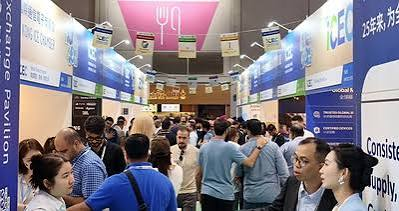
Global Sources Hong Kong has opened its reported Phase II exhibition at AsiaWorld Expo, bringing technology suppliers, lifestyle manufacturers, buyers, and sourcing professionals together around new opportunities in international trade. The October 18, 2026 announcement highlights a dedicated business to business pavilion for pre owned mobile devices and smart electronics, a development that reflects growing interest in refurbished technology, affordable devices, and more flexible sourcing options. For retailers and distributors seeking competitive products, the exhibition offers a timely opportunity to examine how changing consumer demand is reshaping the electronics market.
Why Phase II Matters for International Buyers
Trade exhibitions provide a practical meeting point for businesses that might otherwise spend weeks searching for manufacturers, comparing product specifications, and negotiating with potential suppliers across different countries. At a sourcing event, buyers can assess products in person, discuss commercial terms directly, and evaluate whether a supplier can meet their requirements for quality, pricing, packaging, and delivery.
The reported Phase II launch adds another area of interest to an exhibition known for connecting international buyers with Asian manufacturers and exporters. The dedicated pavilion for pre owned mobile devices and smart electronics places renewed attention on a segment that serves consumers looking for alternatives to purchasing brand new products.
For smaller retailers, online sellers, wholesalers, and regional distributors, access to a wider supplier network can help them compare inventory options and identify products that suit different budgets. Larger businesses may use the exhibition to assess new sourcing partners, strengthen existing relationships, and explore additional categories for their product portfolios.
However, a successful sourcing decision requires more than an attractive wholesale price. Buyers must evaluate product condition, technical performance, supplier reliability, warranty arrangements, shipping requirements, and applicable import rules. These considerations are particularly important when purchasing previously owned electronics, where the quality of individual units may vary considerably.
Pre Owned Mobile Devices Take Center Stage
The reported dedicated business pavilion for pre owned mobile devices is a notable feature because smartphones have become essential tools for communication, education, commerce, banking, and entertainment. Yet the latest devices can be expensive, placing them beyond the budgets of many consumers. Refurbished and professionally tested phones offer another route to accessing capable technology at a lower purchase price.
The terms used in this market are not interchangeable. A used phone may be sold in its existing condition, while a refurbished device has generally undergone some degree of inspection, testing, repair, or restoration. The exact process differs between suppliers, making it important for buyers to establish what each product description actually guarantees.
A dedicated sourcing area can help buyers compare available device categories, discuss grading standards, and learn how suppliers manage inventory. For wholesalers and retailers, the opportunity is not simply to purchase devices cheaply. It is to build a dependable supply of products that meet customer expectations and can be sold with clear information about their condition.
What Buyers Should Check Before Placing Orders
Businesses considering pre owned smartphones should establish written quality standards before committing to large orders. A low price can quickly become an expensive mistake if a shipment contains devices with damaged screens, weak batteries, activation restrictions, or hidden technical faults.
- Device grading: Request clear definitions for each condition category, including acceptable scratches, screen defects, and signs of previous repairs.
- Battery health: Establish minimum battery capacity requirements and ask how battery performance is tested and documented.
- Network compatibility: Confirm supported cellular bands, SIM requirements, regional compatibility, and whether devices are locked to a particular carrier.
- Ownership and security: Verify that devices are legitimately sourced, free of activation locks, and eligible for lawful resale.
- Warranty and returns: Agree on procedures for defective units, replacement claims, inspection periods, and any return shipping expenses.
- Inventory consistency: Ask whether future orders can meet the same specifications, rather than assuming every shipment will contain identical models and conditions.
These checks can help businesses reduce disputes and protect their reputation. A transparent grading system also allows retailers to set realistic prices and explain the differences between product categories to customers.
Smart Electronics Add Another Sourcing Opportunity
The pavilion’s reported focus on smart electronics broadens the potential appeal of the exhibition beyond smartphones alone. The category can include connected accessories, wearable devices, audio equipment, home technology, and other electronic products, although the specific exhibitors and product listings at this edition have not been independently confirmed.
For retailers, smart electronics offer opportunities to serve customers who want practical features without paying premium prices. Accessories and connected devices can also complement existing phone sales, allowing stores to offer related products and develop a more complete technology selection.
Nevertheless, buyers should assess compatibility, software support, charging standards, wireless connectivity, safety certifications, and product documentation. Devices that depend on discontinued applications or unsupported software may have limited resale value, even if their initial wholesale cost appears attractive.
Product testing is especially important for connected electronics because performance can depend on firmware, mobile applications, network availability, and compatibility with other equipment. Businesses should determine whether manufacturers or distributors provide software updates, technical assistance, replacement parts, and after sales support.
Hong Kong’s Role in Asia’s Sourcing Network
Hong Kong has long served as an important commercial gateway connecting manufacturers, trading companies, logistics providers, and international buyers. Its location, established business services, and links to manufacturing centres across Asia make it a useful meeting point for companies exploring new supply relationships.
AsiaWorld Expo provides a venue for exhibitions that bring together businesses from multiple markets. In a physical sourcing environment, buyers can examine samples, compare product designs, ask detailed questions, and discuss order requirements in a way that can be difficult to replicate through online catalogues alone.
For overseas visitors, an exhibition can also help clarify differences between suppliers that appear similar on paper. Two companies may offer the same phone model or electronic accessory but differ substantially in inspection procedures, minimum order quantities, packaging options, lead times, and willingness to resolve problems after delivery.
Companies interested in attending future editions or reviewing official exhibition information can begin with the Global Sources business sourcing platform. Checking the organiser’s current event information is essential for confirming dates, participating categories, registration requirements, and the availability of specific exhibitors.
How the Refurbished Electronics Market Creates Business Opportunities
Interest in pre owned technology is linked to several practical market conditions. Consumers may want a premium smartphone at a lower price, businesses may need to equip employees without buying new devices, and resellers may see opportunities in markets where purchasing power is limited. Refurbished products can address these needs when their condition, reliability, and price are clearly communicated.
The sector can also support longer product lifecycles by keeping functional devices in use for longer. Repair, resale, and refurbishment may reduce the need to replace certain products immediately, while creating demand for testing services, spare parts, logistics, and specialised retail operations.
These potential benefits depend on how the market operates. Poorly tested products can generate customer complaints and electronic waste, while unclear sourcing practices can create legal and security risks. Businesses therefore need systems for verifying ownership, handling data securely, assessing repair quality, and disposing responsibly of devices that cannot be restored to safe working condition.
For entrepreneurs entering the market, a sensible starting point is a narrow product range supported by reliable suppliers and a clear returns policy. Testing a small shipment before increasing order volumes can reveal whether the supplier’s stated grading standards match the actual inventory. Retailers should also calculate the full cost of each sale, including transport, import charges, inspection, repairs, payment fees, warranty claims, and unsold stock.
What International Buyers Should Know About Trade and Compliance
Electronics sourcing involves commercial and regulatory obligations that vary by destination market. Import restrictions, product safety rules, customs classifications, tax requirements, battery shipping standards, and radio equipment regulations may all affect whether a product can be legally imported and sold.
Pre owned devices can involve additional checks. Buyers may need documentation establishing legitimate ownership, confirmation that devices are not reported lost or stolen, and evidence that personal data has been removed. They should also verify that imported devices comply with local requirements for telecommunications equipment and consumer protection.
Businesses can consult the World Trade Organization website for general information on international trade rules and the wider framework governing cross border commerce. For specific shipments, importers should check the customs authority and relevant product regulators in the destination country because international trade rules do not replace local legal requirements.
Contracts should clearly describe the products being purchased, accepted quality standards, inspection rights, delivery terms, payment schedules, and remedies for nonconforming goods. Buyers should avoid relying solely on verbal assurances when purchasing high value inventory or entering a new supplier relationship.
Competition, Pricing, and the Importance of Supplier Verification
Trade exhibitions can introduce buyers to attractive pricing, but the lowest quotation does not always represent the best commercial deal. A supplier with consistent quality, accurate documentation, and dependable delivery may offer greater long term value than a cheaper competitor whose shipments require extensive repairs or generate frequent returns.
Before negotiating, buyers should calculate a realistic landed cost that includes freight, insurance where applicable, customs duties, taxes, inspection expenses, and any expected refurbishment costs. They should then compare this figure with local wholesale prices and likely retail demand.
Supplier verification is equally important. Buyers can request company registration details, trade references, sample orders, quality inspection reports, and written warranty terms. Payment arrangements should be proportionate to the transaction’s risk, with particular caution when dealing with unfamiliar suppliers or unusually attractive offers.
Businesses should also consider how quickly product specifications and consumer preferences can change. Older smartphone models may become harder to sell as software support declines, while accessories can lose value when compatibility standards change. Purchasing decisions should therefore account for expected inventory turnover rather than relying on the assumption that demand will remain constant.
What the Exhibition Could Mean for the Wider Electronics Industry
The reported Phase II launch reflects a broader commercial interest in connecting traditional electronics sourcing with the market for previously owned technology. Manufacturers, distributors, refurbishment specialists, and retailers can all benefit from opportunities to compare capabilities and establish clearer expectations for product quality.
For buyers, the strongest outcome would be access to dependable suppliers and products that meet real customer needs. For exhibitors, successful relationships depend on demonstrating consistent quality, transparent pricing, and an ability to support buyers after an order is completed. For consumers, effective sourcing can eventually translate into more choices and access to technology across different price ranges.
The precise scale of participation, the number of exhibitors, and the commercial results of the October 18 event have not been independently established in this report. Those details should be confirmed through official exhibition announcements rather than inferred from the launch description alone.
A Practical Opportunity for Buyers Seeking Their Next Supplier
Global Sources Hong Kong’s reported Phase II opening at AsiaWorld Expo places pre owned mobile devices and smart electronics within a dedicated business sourcing environment. The focus comes at a time when affordability, product reliability, and responsible use of electronic equipment are important considerations for retailers and consumers alike.
For businesses attending the exhibition, the most valuable approach is to combine direct supplier discussions with careful product inspection, realistic cost calculations, and clear contractual protections. A promising conversation at a trade show can begin a commercial relationship, but consistent quality and dependable service determine whether that relationship lasts.
As international buyers continue to seek competitive products and flexible supply options, exhibitions that connect them with specialised suppliers can help create new commercial opportunities. The lasting significance of this reported launch will depend on the quality of the partnerships it supports and whether those partnerships deliver reliable products, fair value, and greater confidence throughout the electronics supply chain.