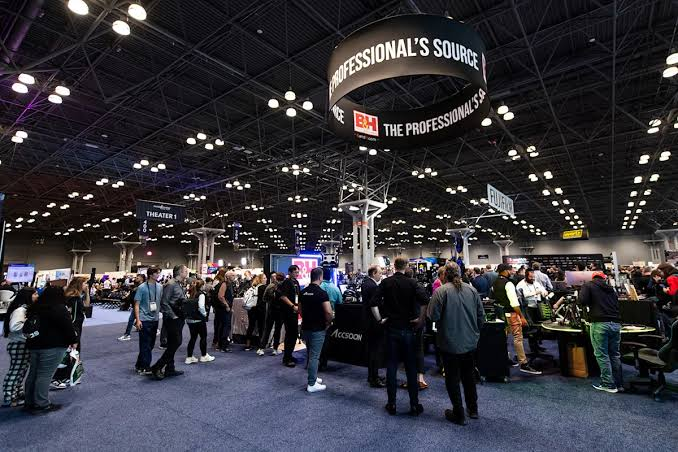
NAB Show New York is preparing to put artificial intelligence, streaming technology, and the creator economy in the spotlight as organizers announce major showcases ahead of the event’s reported October 19, 2026 opening at the Javits Center. The exhibition is expected to draw attention from broadcasters, filmmakers, digital publishers, independent creators, production companies, and technology providers seeking practical ways to produce and distribute content. As media businesses face rising production costs and changing audience habits, the central question is how emerging tools can help creative professionals work more efficiently without losing the human judgment that makes compelling storytelling possible.
Why NAB Show New York Matters to the Media Industry
Media production is changing across nearly every stage of the creative process. A small production team may now need to record a programme, edit short videos for social platforms, distribute a live stream, create captions, and review audience performance within the same working day. Larger broadcasters face similar pressures at a different scale, managing extensive content libraries, multiple distribution channels, and increasingly complex technical systems.
NAB Show New York provides a setting where professionals can examine the equipment, software, and workflows designed to address these demands. The reported focus on applied artificial intelligence, streaming solutions, and creator focused technology reflects the growing overlap between traditional broadcasting and digital media production.
For independent creators, the practical value of an exhibition lies in discovering tools that save time or solve a specific production problem. For broadcasters and production companies, it can mean evaluating systems that improve reliability, support new distribution formats, or help teams manage larger volumes of content. Technology demonstrations also allow buyers to compare products directly rather than relying entirely on promotional claims.
The specific exhibitor list, product announcements, and demonstration schedule for the October 2026 event should be confirmed through official event information. Nevertheless, the three announced focus areas point toward important questions facing the wider media business.
Applied Artificial Intelligence Moves Into Everyday Production
Artificial intelligence has become a practical consideration for media teams, particularly in editing, transcription, translation, content discovery, and production planning. Instead of treating AI as a separate experiment, companies are increasingly examining how it can fit into existing workflows and reduce repetitive tasks.
Automatic transcription can turn recorded interviews into searchable text. Speech recognition can help editors locate important quotations without repeatedly reviewing long recordings. AI assisted editing tools can identify pauses, suggest clips, and generate preliminary versions of social media videos. Translation and captioning systems can also help publishers prepare content for audiences who speak different languages.
These applications may be especially useful to smaller teams with limited budgets. A creator who previously spent hours preparing captions or locating interview segments may be able to redirect that time toward research, interviews, visual storytelling, and audience engagement. A newsroom can use automated transcription to make recorded material easier to search, while an educational producer may find it simpler to prepare accessible versions of lessons.
Where Human Oversight Remains Essential
Efficiency alone is not enough to establish whether an AI tool is suitable for professional use. Automated systems can misinterpret names, invent words in transcripts, miss important context, or produce translations that alter the intended meaning. Generative tools may also create inaccurate visual details or misleading audio, making careful review necessary before publication.
Media organisations should assess AI systems against clear standards for accuracy, privacy, security, and accountability. Before uploading confidential interviews or unpublished footage, teams should understand how a provider stores and processes their material. They should also establish who is responsible for checking generated content and correcting mistakes.
Copyright and consent deserve particular attention. Producers need to understand the rights attached to source material, the permitted uses of generated outputs, and whether a tool relies on licensed or otherwise authorised content. Where synthetic voices, faces, or realistic scenes are involved, transparent disclosure may be necessary to prevent audiences from mistaking generated material for authentic recordings.
The most useful demonstrations at a professional media event are those that show measurable results, explain limitations, and make clear where human review remains necessary. A tool that saves ten minutes but creates costly factual errors may be less valuable than a simpler system that produces dependable results.
Streaming Technology Faces Growing Performance Demands
Streaming has become a major distribution method for entertainment, news, sports, education, business events, and independent programming. Audiences expect video to start quickly, remain stable, and look clear on devices ranging from mobile phones to large television screens. Meeting those expectations requires coordination between production equipment, encoding systems, networks, content delivery infrastructure, and playback applications.
Streaming technology showcases at NAB Show New York are therefore relevant to organisations looking beyond basic video transmission. Production teams must consider latency, picture quality, bandwidth, audio synchronisation, accessibility, and reliability. A live programme that looks excellent in the studio can still disappoint viewers if the stream buffers, the audio falls out of sync, or the connection fails during an important moment.
Low latency streaming can be especially valuable for live interaction, remote production, auctions, sports coverage, and programmes that involve audience participation. Cloud based production systems can also allow teams in different locations to collaborate without transporting every piece of equipment to a single studio. However, cloud workflows introduce their own requirements for connectivity, security, storage, and predictable operating costs.
Questions Buyers Should Ask About Streaming Tools
Before investing in a new streaming platform or production system, buyers should evaluate the entire workflow rather than concentrating on a single impressive feature. A sensible assessment includes the following considerations:
- Reliability: Determine how the system handles connection failures, interrupted feeds, and unexpected increases in audience numbers.
- Latency: Test the delay between a live event and what viewers see, particularly when immediate interaction matters.
- Compatibility: Confirm support for existing cameras, microphones, editing software, codecs, and distribution platforms.
- Accessibility: Review captioning, audio options, and other features that help different audiences access the content.
- Operating costs: Include bandwidth, storage, software subscriptions, support, and additional usage charges in the budget.
- Security: Examine access controls, encryption, account permissions, and procedures for protecting unpublished material.
Testing under realistic conditions is particularly important. A short demonstration on a fast network may not reveal how a system performs during a large live event or when staff are working remotely. Buyers should request trials that reflect their actual production environment and expected audience size.
The Creator Economy Demands More Than Better Cameras
Independent creators, podcasters, video producers, livestreamers, and small digital publishing teams have become an important part of the media ecosystem. Many operate as individual businesses, balancing creative work with editing, distribution, sponsorship negotiations, audience communication, and financial planning.
This combination of responsibilities creates a demand for tools that simplify production without forcing creators to sacrifice quality or control. Camera systems, microphones, lighting equipment, portable recording devices, editing software, analytics platforms, and publishing tools can all influence the quality and consistency of a creator’s output.
Artificial intelligence may further reduce the time needed to repurpose a long recording into shorter clips, generate draft captions, organise footage, or identify sections that deserve closer review. Streaming tools can help creators broadcast from different locations, while improved production hardware can make independent programmes look and sound more professional.
Yet technology cannot guarantee an audience. Sustainable creator businesses still depend on distinctive ideas, credibility, consistency, and a clear understanding of the people they serve. A well equipped studio offers limited value if the content lacks purpose or fails to connect with viewers.
How Creators Can Choose Technology That Pays for Itself
For independent professionals, the cost of new equipment can be a serious concern. Subscriptions, storage, accessories, upgrades, and technical support can quickly consume income that might otherwise fund research or production. The strongest purchasing decisions begin with identifying a specific bottleneck rather than buying every newly announced product.
A creator who struggles with poor audio may gain more from a quality microphone and basic sound treatment than from an expensive camera. Someone producing weekly interviews may benefit more from reliable transcription and editing tools than from a complex live production system. A livestreamer with frequent connection problems may need better network equipment before investing in visual effects.
Creators can compare options by estimating the time saved, the additional work they can reasonably complete, and the ongoing cost of using each product. They should also consider how difficult it would be to move projects and files to another provider if prices rise or a service changes its terms.
Free trials and small pilot projects can help reveal whether a tool genuinely improves the workflow. Before making a long term commitment, creators should test the product on real projects, check export quality, and confirm that their existing hardware and software are compatible.
What Broadcasters and Production Companies Should Look For
Established media organisations face different challenges from individual creators. Their workflows may involve large archives, strict delivery deadlines, multiple production teams, contractual obligations, and complex approval processes. Introducing a new tool can therefore affect more than the person operating it.
Broadcasters evaluating AI assisted production should examine how systems integrate with existing editing platforms, asset management databases, and publishing processes. Metadata accuracy, version control, user permissions, and audit records can become critical when content moves through several departments before release.
For streaming infrastructure, organisations should consider redundancy, disaster recovery, traffic management, and the ability to maintain service during major events. A platform that performs well under ordinary conditions may not be suitable for a high profile broadcast unless it can support realistic peak demand.
Training is another essential consideration. Staff need to understand not only how to operate a new system but also how to recognise its limitations and respond when something goes wrong. Clear internal policies can prevent inconsistent practices around confidential material, AI generated content, and rights management.
Industry Standards, Trust, and Responsible AI
As AI tools become more common in media production, trust is becoming a practical business concern. Audiences need confidence that news footage, interviews, and documentary material have not been misleadingly altered. Advertisers and distribution partners may also require greater transparency about the origin and handling of content.
Media companies can respond by documenting how AI is used, establishing review procedures, and maintaining clear distinctions between authentic recordings and synthetic material. They should also evaluate the risks associated with impersonation, manipulated recordings, unauthorised use of personal likenesses, and the spread of fabricated information.
Professionals seeking a broader framework for responsible AI development can explore the National Institute of Standards and Technology AI Risk Management Framework. Its risk based approach can help organisations structure assessments of reliability, transparency, security, and potential harm.
Responsible adoption does not require media companies to reject useful technology. Rather, it means choosing systems carefully, setting realistic expectations, and ensuring that efficiency does not come at the expense of accuracy, privacy, or audience confidence.
Why the Javits Center Showcase Could Matter to Future Media Workflows
Events at the Javits Center bring professionals into a shared environment where they can examine products, compare approaches, and discuss practical problems with technology providers. For media teams, direct demonstrations can reveal differences that are difficult to judge from product descriptions alone, including ease of use, integration requirements, and the quality of technical support.
The reported emphasis on applied AI, streaming technology, and creator focused solutions also reflects how closely these fields now overlap. A single production may involve AI assisted transcription, cloud based editing, live streaming, automated captioning, and distribution across several platforms. The challenge is ensuring that these components work together reliably and remain manageable for the people responsible for the final result.
Professionals planning to attend should review official event information for the confirmed schedule, exhibitor details, registration requirements, and session availability. They can get started through the official NAB Show website, while checking whether particular products or demonstrations are included in the New York programme.
What to Expect From the Next Stage of Media Innovation
The reported NAB Show New York previews place practical media technology at the centre of discussion as broadcasters, production teams, and independent creators look for more efficient ways to serve audiences. Artificial intelligence offers opportunities to reduce repetitive work, streaming systems support wider distribution, and creator focused equipment makes professional production more accessible to smaller teams.
Still, the success of these technologies will depend on more than the number of features demonstrated or the speed of automated processes. Reliability, transparent pricing, responsible data handling, compatibility, and measurable improvements to everyday work will determine whether a product deserves a place in a professional workflow.
For media organisations and independent creators alike, the best strategy is to remain curious while evaluating new tools with discipline. Start with a clear production need, test solutions against real projects, calculate their full costs, and retain human oversight wherever accuracy and trust are essential.
As the media industry prepares for another round of technological experimentation and commercial discussion, the most meaningful progress will come from tools that help people tell better stories, reach audiences more reliably, and spend more time on the creative decisions that technology cannot make on their behalf.