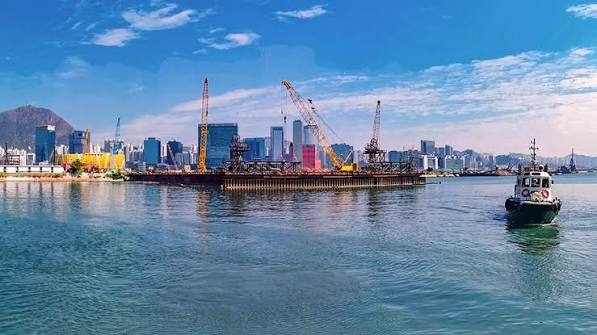
International businesses seeking faster, more predictable ways to move assets, complete transactions, and invest in commercial property are paying close attention to the role of major trade hubs. On October 18, 2026, attention centered on Hong Kong’s regulatory framework and its strategic position within the Greater Bay Area, a major economic region linking Hong Kong, Macao, and cities across Guangdong province. Together, these advantages illustrate how established financial systems, accessible commercial networks, and coordinated regional development can help businesses manage cross border transactions while meeting increasingly complex compliance obligations.
Why Cross Border Compliance Matters to International Business
International commerce involves more than agreeing on a price and transferring ownership. Businesses must establish the identity of transaction participants, verify the origin of funds, understand tax obligations, review ownership records, and comply with the laws governing each relevant jurisdiction. Commercial property transactions can require additional checks involving title records, financing arrangements, beneficial ownership, and the intended use of a building.
These procedures protect businesses and financial systems from fraud, money laundering, sanctions violations, and disputes over ownership. However, compliance can become costly when requirements differ between jurisdictions or when documents must be reviewed repeatedly by separate institutions. Delays can affect property purchases, business acquisitions, investment transfers, and supply agreements, leaving companies uncertain about when a transaction will be completed.
For smaller businesses, the burden can be particularly difficult. A large multinational corporation may have dedicated legal teams, compliance officers, and international advisers, while a smaller investor may rely on external professionals to interpret unfamiliar rules. Even when a transaction is legitimate, missing documents or unclear ownership information can delay approval and increase costs.
Efficient trade hubs seek to reduce unnecessary friction without weakening legal safeguards. Clear rules, reliable public records, consistent administrative procedures, and effective communication between institutions can help businesses understand their obligations before committing substantial capital. The goal is not to eliminate due diligence but to make it more predictable and proportionate to the risks involved.
Hong Kong’s Regulatory Framework Supports International Commerce
Hong Kong has long served as an international center for finance, professional services, trade, and investment. Its common law legal system, established financial infrastructure, and connections with global markets make it an important location for companies conducting business across borders. These characteristics can be valuable when transactions involve parties, assets, or financing arrangements in several countries.
A predictable legal environment helps businesses understand how contracts are interpreted, how disputes may be resolved, and which obligations apply to a particular transaction. Professional services such as legal advice, accounting, auditing, valuation, and corporate administration can also help international investors navigate unfamiliar requirements.
Yet an established financial center must balance commercial efficiency with strong oversight. Banks and other regulated institutions may need to verify customers, identify beneficial owners, understand the purpose of transactions, and examine unusual patterns of financial activity. These checks are essential safeguards, even when they add time to a transaction.
The practical opportunity lies in improving how compliance information is collected, verified, and reused where the law permits. Standardized documentation, secure digital records, clear application requirements, and timely communication can reduce repeated requests and help legitimate transactions proceed with fewer administrative obstacles.
Hong Kong’s regulatory environment should therefore be understood as part of a wider commercial system rather than a guarantee that every transaction will be approved quickly. Completion times still depend on the type of asset, the parties involved, the source of funds, the relevant regulations, and the complexity of the transaction.
The Greater Bay Area Creates Wider Commercial Opportunities
The Greater Bay Area connects Hong Kong and Macao with nine cities in Guangdong, including Shenzhen, Guangzhou, and Dongguan. The region combines financial services, advanced manufacturing, logistics, technology, research, and consumer markets within a geographically connected economic network.
For international companies, this concentration of business activity can create opportunities to establish partnerships, distribute products, finance expansion, and acquire commercial premises near important customers and suppliers. Hong Kong can provide access to international financial and professional services, while neighboring mainland cities offer industrial capacity, technology development, and substantial domestic markets.
However, geographic proximity does not mean that the region operates under one uniform legal system. Hong Kong and mainland China have distinct legal, tax, regulatory, and administrative arrangements. Businesses moving money, acquiring property, or establishing operations across these boundaries must identify which rules apply at each stage.
This distinction is especially important for commercial property investors. A company considering a warehouse in Shenzhen, an office in Hong Kong, or a manufacturing facility elsewhere in Guangdong may encounter different procedures for ownership, financing, land use, registration, and taxation. Professional advice tailored to the specific location remains essential.
Regional cooperation can nevertheless make cross border business easier when authorities and institutions improve information exchange, clarify procedures, and develop compatible services within their legal powers. Better coordination can help companies understand the steps required to operate across the Greater Bay Area without assuming that different jurisdictions have identical requirements.
Commercial Property Transactions Require Careful Verification
Commercial real estate remains an important part of international investment because offices, warehouses, retail premises, and industrial facilities can support business operations as well as generate rental income. Yet buying or selling property across borders introduces risks that cannot be resolved by examining the purchase price alone.
Investors need to establish who legally owns a property, whether any mortgages or other restrictions affect it, whether the intended use is permitted, and whether the seller has authority to complete the transaction. They should also assess outstanding payments, building condition, lease arrangements, insurance requirements, and the financial stability of any tenants whose contracts will continue after the sale.
Cross border ownership structures can make these checks more complicated. A property may be held by a company whose ownership extends through several other entities. In such cases, verifying the beneficial owners and understanding the source of acquisition funds may be necessary to satisfy legal and financial compliance requirements.
Steps investors can take before committing funds
- Obtain independent legal advice in the jurisdiction where the property is located.
- Verify title records, registered interests, permitted land use, and any restrictions on ownership or transfer.
- Prepare clear documentation showing the source of funds, the ownership structure, and the commercial purpose of the transaction.
- Review applicable taxes, registration charges, financing terms, insurance costs, and ongoing property expenses.
- Confirm that payment arrangements and transaction documents comply with relevant financial and regulatory requirements.
These measures may require time and professional fees, but they can reduce the likelihood of disputes, unexpected liabilities, and expensive delays after a purchase agreement has been signed. A careful review before completion is generally more manageable than resolving an ownership or compliance problem after funds have changed hands.
Digital Compliance Can Reduce Administrative Delays
Digital systems are changing how financial institutions, professional advisers, and businesses manage compliance information. Secure identity verification, electronic document submission, digital signatures, and automated screening can help reduce manual work when implemented appropriately.
For example, a company preparing an international investment may need to submit incorporation documents, ownership information, financial records, and proof of the origin of funds. A well designed digital process can make it easier to identify missing information, track an application’s status, and maintain a reliable record of decisions. Standardized forms can also help reduce misunderstandings between applicants and reviewing institutions.
Automation can assist with routine checks, but it does not remove the need for human judgment. Complex ownership structures, unusual financial patterns, inconsistent records, or transactions involving higher risks may require additional investigation. Institutions must also guard against inaccurate data, unauthorized access, identity theft, and technical failures.
Digital compliance systems are most useful when they combine efficiency with accountability. Businesses should know which information is required, how it will be used, how long it may be retained, and how errors can be corrected. Institutions should maintain appropriate security controls and ensure that automated processes do not prevent legitimate customers from receiving a fair review.
International interoperability remains another challenge. A document accepted by one institution may not meet the requirements of another jurisdiction. Better technical standards and clearer rules for recognizing electronic records could reduce repeated work, but legal requirements must still be respected in every relevant market.
Anti Money Laundering Controls Remain Essential
Efforts to accelerate international commerce must operate alongside measures designed to prevent financial crime. Cross border financial systems can be exploited to conceal the origins of illicit funds, obscure ownership, or move assets through complicated corporate arrangements. Property transactions can present particular risks because high value purchases may involve multiple entities, intermediaries, and sources of financing.
Financial institutions and other regulated businesses may be required to conduct customer due diligence, maintain records, report suspicious activity, and comply with applicable sanctions. These responsibilities protect the integrity of markets and help ensure that legitimate businesses are not disadvantaged by competitors using unlawful methods.
For investors, preparation is one of the most effective ways to reduce avoidable delays. Documents identifying beneficial owners should be accurate and consistent. Financial records should clearly explain where the money originated. Corporate approvals, contracts, and transaction descriptions should reflect the actual purpose of the deal.
Businesses should avoid treating compliance requests as administrative formalities. A request for additional information may reflect a legal obligation or a genuine concern about the transaction. Prompt, accurate responses can help establish confidence and prevent unnecessary back and forth between parties.
International Standards Help Build Confidence in Trade Hubs
International trade depends on confidence that contracts will be respected, financial transactions can be traced when necessary, and disputes can be addressed through established procedures. Regulatory consistency can help companies plan investments and compare opportunities across markets.
The Financial Action Task Force develops international standards aimed at combating money laundering and terrorist financing. Its recommendations provide an important reference point for governments and regulated institutions working to strengthen financial integrity while supporting legitimate economic activity.
These standards also illustrate why faster transactions and strong oversight should not be treated as opposing goals. Risk based compliance allows institutions to apply scrutiny according to the circumstances of a transaction, rather than treating every customer or payment as equally risky. Effective implementation requires suitable technology, trained personnel, reliable information, and clear supervisory expectations.
International investors should also consider tax transparency, sanctions rules, data protection, and reporting requirements when structuring cross border deals. The applicable obligations depend on the parties, the assets, and the jurisdictions involved. An arrangement that is lawful in one location may still create reporting or tax responsibilities elsewhere.
What Businesses Should Expect From Trade Hubs
Companies choosing where to establish regional operations or conduct major transactions should assess more than location and market size. The quality of public administration, availability of professional expertise, reliability of infrastructure, transparency of property records, and clarity of regulatory obligations can all influence the cost of doing business.
Businesses should compare the full transaction process, from initial identity checks and financing approval to contract execution, registration, tax reporting, and ongoing compliance. They should ask potential service providers for realistic timelines and confirm which steps depend on external authorities. No financial center can guarantee immediate completion when a transaction requires detailed verification or approval from multiple jurisdictions.
For smaller firms entering international markets, a written compliance checklist can help organize responsibilities. Assigning one person to coordinate documentation, maintaining consistent corporate records, and obtaining professional advice early can prevent avoidable mistakes. Investors should also build realistic time allowances into contracts instead of assuming that every administrative process will follow the fastest possible schedule.
Hong Kong’s Broader Significance for Cross Border Commerce
Hong Kong’s regulatory framework and its position within the Greater Bay Area illustrate the factors that can support international trade and investment: established legal institutions, access to financial services, strong commercial connections, and opportunities for regional cooperation. These advantages can help businesses navigate complex transactions, provided they understand the differences between jurisdictions and prepare for the compliance obligations involved.
The broader lesson for international trade hubs is that commercial speed depends on trust as much as technology. Clear requirements, dependable records, secure information exchange, and consistent enforcement can help legitimate transactions move forward while protecting markets from fraud and financial crime.
For companies pursuing international asset transfers or commercial property investments, the most practical approach is to prepare documentation early, verify ownership carefully, understand local rules, and seek qualified advice before committing funds. For policymakers and institutions, the continuing task is to reduce unnecessary administrative friction without weakening oversight.
As international business becomes more interconnected, trade hubs will be judged by their ability to combine efficiency with transparency and legal certainty. Hong Kong and the Greater Bay Area provide an important setting for examining that balance, while the long term success of any cross border transaction will continue to depend on sound preparation, responsible investment, and compliance with the rules that govern each market.