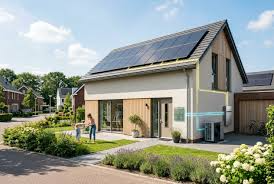
Rising temperatures and increasingly severe weather events are changing the way people think about their homes. From scorching summer afternoons to prolonged heatwaves that keep buildings uncomfortably warm long after sunset, households across the world are facing growing pressure to improve indoor comfort while controlling energy costs. On October 30, 2026, interest in heat resistant insulation, energy efficient home renovations, reflective roofing, and smart energy management systems continues to attract attention as homeowners look for practical ways to adapt to extreme temperatures. The shift toward climate conscious home improvements reflects a broader concern: buildings must become better prepared for changing weather conditions without placing additional pressure on household budgets or the environment.
Why Extreme Heat Is Changing Home Renovation Priorities
For many years, home renovation projects focused primarily on appearance, additional living space, and property value. However, increasingly uncomfortable temperatures are encouraging homeowners to prioritize practical improvements that make indoor environments safer and more comfortable.
A poorly insulated home can absorb considerable heat during the day. Roofs, exterior walls, windows, and poorly sealed doors allow outdoor temperatures to influence indoor conditions. Once heat enters a building, it can remain trapped, making bedrooms, kitchens, and living spaces difficult to cool.
This problem becomes particularly challenging during extended heatwaves. Air conditioning systems may operate for longer periods, electricity consumption can increase, and households without effective cooling equipment may experience uncomfortable or potentially dangerous indoor temperatures.
Consequently, homeowners are increasingly considering renovations that address the underlying causes of heat exposure rather than relying entirely on air conditioning. Better insulation, improved ventilation, shaded windows, and reflective roofing can help reduce heat entering a property and improve indoor comfort.
Heat Resistant Insulation Becomes a Major Home Improvement Priority
Insulation is one of the most important elements of an energy efficient home. Although it is commonly associated with keeping buildings warm during winter, suitable insulation also helps reduce unwanted heat entering living spaces during hot weather.
Modern insulation materials are designed to slow the movement of heat through roofs, walls, floors, and other building components. When installed correctly, they can reduce indoor temperature fluctuations and lower the amount of energy required to maintain comfortable conditions.
Roof Insulation Offers Important Protection
Roofs receive direct sunlight for several hours each day, making them a major source of heat gain in many residential buildings. Properties with inadequate roof insulation can become particularly uncomfortable during afternoon and evening hours.
Adding suitable roof insulation can reduce the transfer of heat into the rooms below. Homeowners may consider mineral wool, fiberglass, rigid insulation boards, or other materials selected according to local building conditions and professional recommendations.
In warmer climates, reflective roofing materials and cool roof coatings can provide additional benefits by reflecting more sunlight and absorbing less solar energy. These improvements can be particularly useful for buildings with large exposed roof surfaces.
Wall and Window Improvements Reduce Indoor Heat
Exterior walls and windows also influence indoor temperatures. Insulated wall systems can reduce heat transfer, while properly installed weather sealing helps limit unwanted air movement.
Windows deserve particular attention because sunlight entering through glass can quickly increase indoor temperatures. Double glazing, suitable solar control glass, exterior shading, and properly selected curtains can help reduce solar heat gain.
However, the best solution depends on the building’s location, orientation, construction materials, and local climate. A renovation plan designed for a cold region may not deliver the same benefits in a hot and humid environment.
Smart Energy Management Systems Gain Popularity
Alongside physical home improvements, smart energy management technology is becoming an important part of climate conscious renovation projects. These systems allow homeowners to monitor electricity consumption, control cooling equipment, and manage household energy use through connected devices.
Smart thermostats can adjust indoor temperatures according to daily routines, reducing unnecessary air conditioning when rooms are unoccupied. Connected temperature sensors can identify differences between rooms, while smart controllers allow users to manage cooling systems remotely through mobile applications.
Some advanced platforms also connect air conditioning systems, solar panels, battery storage, and household appliances. This allows homeowners to coordinate electricity consumption and make better use of available renewable energy.
How Smart Technology Can Reduce Electricity Waste
Traditional cooling systems often operate without considering whether a room is occupied or whether the desired temperature has already been reached. Smart controls can help address this problem by adjusting cooling schedules according to household activity and environmental conditions.
For example, a homeowner can program an air conditioning system to reduce cooling when the family leaves for work or school and begin preparing the home before everyone returns. Temperature sensors can also help prevent individual rooms from becoming unnecessarily cold.
However, smart technology is not automatically energy efficient. Poorly configured systems, unnecessary automation, and inefficient air conditioning equipment can still result in high electricity consumption. Homeowners should prioritize improvements that deliver measurable savings rather than purchasing connected devices simply because they offer advanced features.
Global Energy Demand Is Increasing the Need for Efficient Buildings
The growing interest in climate conscious renovations is closely connected to the wider energy challenges facing the world. According to the International Energy Agency, buildings account for approximately 30 percent of global energy demand. Residential properties represent the largest share of energy consumption within the building sector.
The agency also identifies hotter summers, population growth, and rising incomes as important factors increasing residential cooling demand in emerging and developing economies. This is particularly significant for countries where air conditioning ownership is growing rapidly.
Its Energy Efficiency 2025 report highlights the importance of improving building design, installing efficient cooling equipment, and accelerating renovations of existing properties. The research also points to the importance of building energy regulations that require better thermal performance.
More details are available in the International Energy Agency’s building energy efficiency research, which examines the relationship between residential energy consumption, cooling demand, and building improvements.
Climate Friendly Renovations Can Also Reduce Environmental Impact
Energy efficient renovations offer potential environmental benefits beyond improving indoor comfort. When buildings require less electricity for cooling, they can reduce pressure on power networks and help limit emissions associated with electricity generation.
However, the environmental impact of renovation materials also deserves attention. Some insulation products and construction materials require substantial energy to manufacture, transport, and install. Their production and disposal can create additional environmental costs if projects are not planned carefully.
Homeowners and construction professionals should therefore consider the entire life cycle of renovation materials. Durable products, responsible sourcing, appropriate installation, and opportunities to reuse existing building components can support more sustainable renovation decisions.
The United Nations Environment Programme’s Global Status Report for Buildings and Construction 2025 to 2026 identifies buildings as responsible for approximately 37 percent of global carbon dioxide emissions. It also highlights growing exposure to climate risks and the need for more resilient, affordable housing.
This demonstrates why renovation strategies must address both energy efficiency and climate resilience. A home should not only consume less electricity but also provide better protection against extreme temperatures and other environmental pressures.
Why Affordable Renovation Options Matter
Despite growing interest in sustainable home improvements, renovation costs remain a major obstacle for many households. Installing advanced insulation, replacing windows, purchasing smart equipment, or upgrading an air conditioning system can require considerable upfront investment.
Families with limited financial resources may understand the benefits of energy efficient improvements but struggle to afford them. This creates a risk that climate resilient housing will become more accessible to wealthier homeowners while lower income communities remain exposed to uncomfortable and potentially dangerous indoor conditions.
Governments, financial institutions, and local authorities can help address this challenge through targeted renovation grants, affordable financing, energy efficiency programs, and technical assistance.
Community level initiatives can also make a difference. Shared renovation programs, public housing improvements, and affordable access to professional energy assessments can help extend the benefits of climate conscious construction to a wider population.
Practical Steps Homeowners Can Take Before Renovating
Homeowners do not necessarily need to complete an expensive renovation to improve indoor comfort. A carefully planned sequence of improvements can deliver meaningful benefits while keeping costs manageable.
Before purchasing materials or installing new equipment, property owners should identify where unwanted heat enters their homes and which improvements are likely to provide the greatest benefits.
- Inspect the roof: Check whether the roof has adequate insulation and consider reflective materials or suitable roof coatings.
- Seal unwanted air leaks: Examine doors, windows, and other openings for gaps that allow uncontrolled air movement.
- Improve natural ventilation: Use appropriate window placement and ventilation strategies to encourage airflow when outdoor conditions permit.
- Add external shading: Consider awnings, shutters, trees, or other shading solutions to reduce direct sunlight entering rooms.
- Upgrade cooling equipment: Choose appropriately sized, energy efficient air conditioning systems and maintain them regularly.
- Monitor electricity consumption: Use smart controls or energy monitoring devices to identify unnecessary cooling expenses.
A professional building assessment can help determine which improvements are suitable for a particular property. This is especially important in older homes, where moisture problems, ventilation limitations, and existing construction materials may influence renovation decisions.
What the Global Construction Industry Must Prepare For
The growing demand for climate resilient housing is creating opportunities for construction companies, insulation manufacturers, architects, engineers, and smart technology developers. Businesses that can provide reliable materials and practical energy management solutions may benefit as homeowners and governments increase investment in building improvements.
However, the industry must also address the challenge of maintaining affordability. Advanced renovation materials will have limited impact if they remain too expensive for ordinary households. Manufacturers and construction professionals need to consider local climates, available resources, installation costs, and long term performance when developing solutions.
Building regulations will also play an important role. Governments can encourage better construction practices by introducing appropriate thermal performance standards, improving energy efficiency requirements, and supporting renovations in older residential buildings.
The International Energy Agency has highlighted that more than 60 building energy codes worldwide included mandatory residential cooling requirements in 2025. Such measures can encourage better building design through provisions for solar shading, ventilation, and high performance glazing.
The Future of Smart and Sustainable Homes
The growing interest in eco friendly renovations reflects a significant change in residential priorities. Homeowners are increasingly looking beyond attractive interiors and considering how buildings perform during extreme weather conditions. Insulation, reflective roofing, efficient cooling systems, and smart energy management are becoming important parts of this conversation.
Artificial intelligence and connected home technology may provide additional opportunities to manage electricity consumption more effectively. Future systems could use weather forecasts, occupancy patterns, and electricity prices to coordinate household cooling and energy storage. However, these technologies will need to remain affordable, reliable, and easy to operate.
Climate conscious renovations will also require cooperation between governments, property owners, construction businesses, and energy providers. Investment in better building materials and practical renovation programs can help make homes more comfortable while reducing unnecessary energy consumption.
Heat Resilient Housing Is Becoming a Long Term Priority
Extreme heat is changing expectations about what a comfortable and safe home should provide. Rising cooling demand, increasing electricity expenses, and growing awareness of climate risks are encouraging households to reconsider traditional renovation choices.
Smart eco renovations offer a practical response by combining better insulation, improved ventilation, efficient cooling equipment, and intelligent energy management. Although the best approach will vary according to location, property design, and household budgets, the underlying objective remains the same: reduce unnecessary heat gain and make homes more resilient to changing weather conditions.
The transition will not happen overnight, and high upfront costs remain a significant challenge. Nevertheless, investment in suitable building improvements can provide long term benefits for homeowners, communities, and the environment.
As extreme weather continues to influence housing decisions, climate resilient renovation is likely to become an increasingly important part of the global construction industry. The homes built and improved today will play a major role in determining how comfortably and efficiently future generations live through hotter summers.