Empty office towers, quieter business districts and rising borrowing costs are forcing commercial property owners to reconsider the future of urban real estate. Across major cities, converting vacant office buildings into apartments and mixed use developments is emerging as one possible response to persistent office vacancies and changing patterns of work. The shift reflects a wider challenge for property investors: buildings designed for an earlier era of office demand must now compete for tenants, financing and long term value in a more uncertain market. Although the pace of conversions varies by city, the pressure to find new uses for underoccupied buildings is becoming an important part of commercial real estate restructuring.
Why Commercial Property Markets Are Under Pressure
Higher interest rates have changed the financial calculations behind commercial real estate. Property owners often rely on borrowing to purchase buildings, refinance existing loans and fund renovations. When financing becomes more expensive, monthly debt payments can rise, refinancing becomes harder and the amount investors are willing to pay for a property may fall.
The challenge is particularly serious for owners who purchased office buildings when borrowing costs were lower and property values were higher. If a loan reaches maturity while the building is losing tenants, refinancing may require additional capital. Some owners may need to negotiate with lenders, sell assets or restructure their debt. Others may decide that continuing to operate an underused office property is less attractive than converting it to another purpose.
Central bank interest rate decisions influence these conditions, but they are not the only factor. Commercial property performance also depends on local employment, construction costs, rental demand, public transport, tax policy and the availability of credit. A city with strong population growth may attract residential investment even while its office market struggles.
Remote and Hybrid Work Have Changed Office Demand
The widespread adoption of remote and hybrid work has altered how many companies use office space. Some employers have reduced their leased floor area, while others have redesigned workplaces around shared desks, meeting rooms and scheduled attendance. As leases expire, businesses may choose smaller offices or relocate to newer buildings that offer better facilities.
This change has not affected every city or property equally. Prime buildings in convenient locations can continue to attract companies seeking modern amenities, reliable transport access and space for collaboration. Older properties with outdated layouts, limited natural light or expensive operating requirements may face greater difficulty competing for tenants.
The result is an increasingly divided office market. Stronger buildings can maintain demand, while less desirable properties may experience longer vacancy periods and pressure on rental income. For investors, location alone is no longer a guarantee of performance. Building quality, energy efficiency, flexibility and access to services are becoming more important considerations.
Why Cities Are Considering Office to Residential Conversions
Turning unused office buildings into homes offers a possible solution to two urban challenges: excess commercial space and the shortage of affordable housing. Instead of allowing an underoccupied building to remain empty, owners may be able to give it a new purpose by creating apartments, shared residential facilities or mixed use developments.
These projects can also support the recovery of business districts. Residents bring demand for grocery stores, restaurants, healthcare services, public transport and other everyday facilities. A neighbourhood that once became quiet after office hours may develop a more active daily population when people live as well as work there.
However, not every office building is suitable for residential conversion. Office floors are often deep, meaning that the interior may be too far from windows to provide comfortable living spaces. Residential apartments need suitable daylight, ventilation, plumbing, privacy and access to services. Existing structures may require major changes before they can meet building and housing regulations.
Buildings that are easier to convert
Properties with narrower floor plates, suitable window arrangements and accessible plumbing infrastructure may offer better conversion opportunities. Buildings with layouts that allow apartments to receive natural light can reduce the amount of structural work required. Former offices with existing residential features or mixed use zoning may also be more practical candidates.
By contrast, large buildings with deep internal spaces may require expensive redesigns. In some cases, removing parts of the structure or creating new light wells can make a project technically possible but financially unattractive. Owners must assess the building itself rather than assume that every vacant office can become housing.
What the Global Property Market Is Learning
Commercial real estate restructuring is not simply a story of offices becoming apartments. It reflects a broader reassessment of how cities use buildings and how investors measure property value. Some locations may need fewer traditional offices but more housing, hotels, healthcare facilities, educational spaces and community services.
Research from the CBRE real estate research platform tracks changes in office demand, investment activity, leasing conditions and property markets across major regions. Such research helps investors distinguish between temporary vacancies and deeper changes in how businesses use workplaces.
International financial institutions are also monitoring commercial property risks. The International Monetary Fund Global Financial Stability Report examines risks to financial stability, including the relationship between property markets, lending conditions and broader economic pressures. These issues matter because commercial real estate is closely connected to banks, investment funds, pension assets and local employment.
The Financial Risks Behind Property Restructuring
Office conversion projects can require substantial upfront investment. Owners may need to purchase materials, redesign internal layouts, install residential plumbing, improve fire safety and meet accessibility standards. Construction delays and higher labour costs can make budgets difficult to manage, especially when financing remains expensive.
There is also uncertainty about the final rental income. A building that appears inexpensive to convert may be located in an area where residential demand is weak or where new apartments would be difficult to rent at prices that cover the investment. Developers must compare the expected value of residential use with the cost of conversion, including financing, planning approvals and ongoing maintenance.
For lenders, the situation requires careful assessment. A property that once generated reliable office rent may now have declining income and a different risk profile. Financing a conversion project involves evaluating not only the existing building but also the developer’s ability to complete construction and attract residents.
Mixed Use Development Could Give Business Districts a New Role
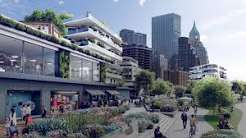
Residential conversion is one option, but mixed use development may offer a broader approach. Instead of turning an entire office building into apartments, owners can combine residential floors with shops, restaurants, medical facilities, coworking areas and other services. This can create a more balanced property that attracts different users throughout the day.
Mixed use districts can also reduce dependence on a single source of rental income. If office demand weakens, residential and retail activity may provide additional support. However, this approach requires careful planning. Building access, deliveries, noise, security, parking and shared facilities must be designed to accommodate different uses without creating conflicts between residents and businesses.
Local governments can influence whether these developments succeed. Flexible zoning, clear approval processes and investment in public transport can help make underused commercial districts suitable for residential life. Authorities must also ensure that new housing includes adequate infrastructure, public spaces and essential services.
What Property Owners and Investors Should Consider
For commercial property owners, the most important decision is whether to maintain, renovate, repurpose or sell an underperforming asset. That decision should be based on realistic financial projections rather than assumptions that office demand will quickly return to previous levels.
Investors assessing a possible conversion should examine several factors:
- Local housing demand: Determine whether the area has a genuine need for additional homes and whether residents can afford the expected rents or purchase prices.
- Building suitability: Review floor layouts, natural light, structural conditions, plumbing and fire safety requirements.
- Financing costs: Calculate borrowing expenses, refinancing risks and the possibility of construction delays.
- Planning regulations: Confirm whether residential or mixed use development is permitted and identify the approvals required.
- Long term operating costs: Consider maintenance, energy efficiency, insurance and building management after completion.
These checks can help prevent owners from committing capital to projects that appear attractive in theory but cannot generate sustainable returns in practice.
What the Shift Means for Workers and Urban Residents
The restructuring of commercial property markets has consequences beyond investors and building owners. Office vacancies can affect local restaurants, shops, transport operators and workers whose income depends on busy business districts. When fewer employees visit an area each day, businesses that rely on lunchtime customers and evening commuters may experience lower sales.
Converting unused buildings into homes could help restore some of that activity. More residents may support local businesses throughout the week and create demand for schools, healthcare and other services. Yet housing conversions do not automatically solve affordability problems. If new apartments are priced beyond the reach of local workers, the benefits may be concentrated among higher income households.
City planners therefore need to consider who will live in converted buildings and whether the surrounding neighbourhood can support them. Affordable housing requirements, public facilities and access to transport can help ensure that redevelopment contributes to a more inclusive urban environment.
Commercial Real Estate Is Moving Toward a More Flexible Future
The pressure on office markets is encouraging a more practical approach to property investment. Rather than treating every building as a permanent office asset, owners and city authorities are increasingly considering how structures can adapt to changing economic and social needs.
High interest rates have made weak properties harder to finance, while hybrid work has changed the amount and type of office space many businesses require. At the same time, housing demand in major cities has created opportunities for carefully selected conversions. These forces are encouraging investors to reconsider the purpose and long term value of existing buildings.
The transition will not happen at the same speed everywhere. Some office districts will remain important centres of employment, while others may gradually become residential and mixed use neighbourhoods. Buildings that cannot be converted economically may require different solutions, including renovation, alternative commercial uses or redevelopment.
Ultimately, the future of commercial real estate will depend on how effectively property owners, lenders and city governments respond to changing demand. Empty offices are a financial challenge, but they can also represent an opportunity to make better use of existing urban space. When conversions are financially realistic, well designed and supported by local housing needs, they can help create cities that remain active and useful long after the traditional office day has ended.