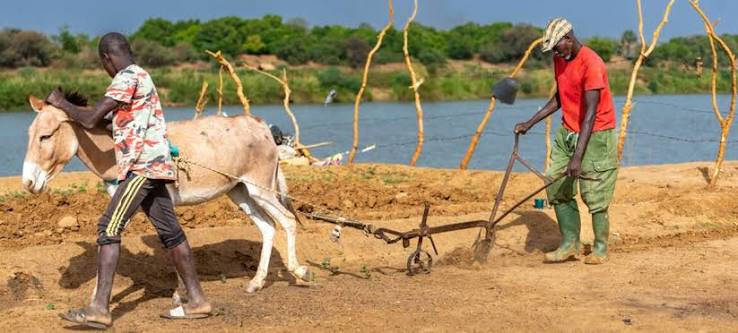
Extreme weather is putting growing pressure on the crops that feed billions of people, raising concerns about food prices, agricultural livelihoods and the reliability of global supply chains. A report dated October 30, 2026, describes the Food and Agriculture Organization of the United Nations urging greater international investment in resilient agricultural supply chains to protect staple crops from worsening climate events. The specific announcement requires confirmation through an official FAO statement, but the underlying challenge is well established: droughts, floods, heatwaves and changing rainfall patterns are making food production less predictable. Strengthening the systems that move seeds, fertilizers, crops and food to markets is becoming just as important as helping farmers adapt in the fields.
Why Climate Resilience Has Become a Food Security Priority
For farming communities, climate disruption is not an abstract environmental concern. It can mean watching a season’s work disappear after weeks without rain, losing stored grain to flooding or seeing crops fail when temperatures remain too high during critical growing periods. These losses affect more than individual farms. They can reduce supplies for local markets, disrupt food processing and increase pressure on households already spending much of their income on basic meals.
Staple crops such as wheat, rice, maize and other grains are particularly important because they support daily diets and livestock production across large parts of the world. Their harvests depend on conditions that are becoming harder to predict. Heat can damage crops during flowering, prolonged dry periods can limit growth, and excessive rainfall can destroy fields or prevent farmers from harvesting on time.
Climate risks also extend beyond the farm. A successful harvest still needs to be stored, transported, processed and distributed. Roads can become impassable after floods, ports can face delays during severe storms, and warehouses may lack the facilities needed to protect food from heat and moisture. When several parts of the supply chain are affected at once, even regions with adequate production can experience shortages or higher prices.
How Extreme Weather Disrupts Agricultural Supply Chains
Agricultural supply chains depend on many connected activities. Farmers need reliable access to seeds, fertilizers, machinery, fuel and irrigation equipment before planting. After harvest, crops move through collection centers, storage facilities, processing plants and transport networks before reaching retailers and consumers. A disruption at any stage can affect the availability and cost of food.
Drought and heat reduce harvest reliability
Long periods of dry weather can leave soil without enough moisture to support healthy crop growth. Farmers who depend on rainfall may have limited options when the rains arrive late or stop too early. Irrigation can provide some protection, but water supplies are not unlimited. Excessive groundwater extraction can create further problems, particularly in areas already facing water scarcity.
High temperatures can also damage crops even when water is available. Heat stress during sensitive stages of development can reduce yields and affect grain quality. Livestock producers may face additional costs as animals need more water and protection from extreme heat, while pasture and feed supplies become less reliable.
Floods and storms damage transport and storage
Heavy rainfall and flooding can destroy crops shortly before harvest, wash away fertile soil and damage rural roads. Farmers may be unable to move produce to market, while traders and food processors struggle to receive supplies. In areas where storage facilities are poorly protected, moisture can lead to spoilage and contamination.
These disruptions can continue long after the water recedes. Roads, bridges and irrigation systems may require expensive repairs, and farmers may lack the money needed to prepare for another planting season. A single severe event can therefore affect more than one harvest cycle.
What Investment in Climate Resilience Should Prioritize
Protecting food supplies requires more than distributing improved seeds. Farmers need practical support before, during and after climate related emergencies. Investment must reach the wider agricultural system, including rural infrastructure, research institutions, financial services and the businesses responsible for moving food from farms to consumers.
Several priorities deserve attention as governments and development partners consider where funding can have the greatest effect.
Developing crops that can withstand changing conditions
Research into drought tolerant, heat tolerant and flood tolerant crop varieties can help farmers maintain production under difficult conditions. Breeding programs should consider local climates, soil conditions, water availability and the needs of farming communities. A variety that performs well in one region may not be suitable elsewhere, making local testing and farmer participation essential.
Crop diversity is equally valuable. Depending heavily on a single crop can leave communities exposed when a particular pest, disease or weather event damages that harvest. Supporting locally suitable grains, legumes and other food crops can spread production risks and improve access to different sources of nutrition.
Improving storage, roads and irrigation
Investment in physical infrastructure can prevent climate shocks from becoming wider food supply crises. Better protected storage facilities help reduce losses after harvest. Reliable rural roads allow farmers to reach markets even when heavy rainfall disrupts transport. Efficient irrigation systems can help manage water shortages, while improved drainage can reduce damage during periods of excessive rainfall.
Infrastructure projects should be designed around local climate risks. Building a warehouse without considering flood exposure or expanding irrigation without assessing available water resources may create new problems rather than solve existing ones.
Expanding agricultural finance and insurance
Many small scale farmers cannot afford improved equipment, resilient seeds or water management systems without access to affordable credit. Financial institutions may also consider agricultural lending risky because weather conditions can affect repayment. Public guarantees, carefully designed insurance products and targeted investment programs can help reduce these barriers.
Insurance is not a replacement for prevention, but it can provide a financial safety net after severe losses. When farmers receive timely support, they are more likely to purchase seeds and prepare land for the next growing season instead of leaving agriculture altogether.
FAO Investment Efforts Highlight the Role of International Cooperation
There is a concrete example of this investment approach in Southeast Asia. On October 30, 2026, FAO reported that it and regional partners had identified more than $3 billion in potential investment opportunities through climate smart agriculture planning. The opportunities cover crops, livestock, fisheries, forestry and landscape restoration, with the potential to benefit at least 2.6 million farmers and fisherfolk.
The announcement was connected to the 48th ASEAN Ministers on Agriculture and Forestry meeting in Singapore. FAO highlighted the role of public funding, concessional finance and private investment in connecting agricultural innovation with the needs of producers. These figures describe potential investment opportunities, not money already delivered to farmers. Still, they illustrate the scale of financing that regional agricultural resilience may require.
International cooperation is especially important for countries that depend on imported food, fertilizer or agricultural inputs. When major suppliers experience climate related production losses, disruptions can spread through international markets. Countries can reduce their exposure by diversifying suppliers, improving market information and maintaining trade relationships that allow food to move when local production falls.
Why Small Farmers Must Remain at the Center of Climate Policy
Small scale farmers often have fewer resources to recover from a failed harvest. They may lack savings, access to formal credit or the equipment needed to adapt quickly. Women farmers and rural communities in vulnerable regions can face additional barriers when they have limited access to land, training, technology and financial services.
Climate investment will have limited value if it reaches only large agricultural businesses. Programs need to make resilient seeds, weather information, training and affordable finance accessible to smaller producers. Local agricultural organizations can help ensure that investment decisions reflect the challenges farmers face on the ground.
Governments should also support agricultural extension services that explain how to adjust planting schedules, manage soil moisture, reduce water waste and respond to pest outbreaks. Seasonal forecasts and early warning systems are most useful when farmers receive understandable information early enough to act on it.
What Governments and Food Businesses Can Do Now
Public authorities, agricultural companies and development institutions each have a role in preparing food systems for climate disruption. The FAO’s guidelines for increasing the resilience of agricultural supply chains offer a framework for examining vulnerabilities and assessing possible interventions. The broader lesson is that resilience must be built across the entire chain, not treated as a responsibility belonging to farmers alone.
Practical measures include:
- Mapping climate risks affecting major crop producing regions and transport routes.
- Investing in storage facilities, irrigation, drainage and rural transport infrastructure.
- Supporting agricultural research and locally appropriate resilient crop varieties.
- Improving access to affordable finance, insurance and technical assistance for small farmers.
- Maintaining reliable market information and diversifying sources of essential agricultural inputs.
- Reducing food losses through better harvesting, handling, processing and storage practices.
Food companies can contribute by assessing climate risks among their suppliers, supporting sustainable farming practices and avoiding excessive dependence on a limited number of production regions. Governments can provide clear policies, reliable public data and investment incentives while protecting the needs of vulnerable households.
The Stakes for Food Prices and Global Food Security
When harvests fall, the effects can reach consumers quickly. Lower supplies may push up prices, particularly in countries that rely heavily on imported staple foods. Poor households are often hit hardest because they spend a larger share of their income on food and have fewer options when prices rise.
Disruptions can also affect farmers in unexpected ways. A shortage of fertilizer or fuel may increase production costs even when weather conditions are favorable. If transport becomes unreliable, farmers may receive lower prices for their crops while consumers pay more at local markets. These pressures can weaken rural incomes and make future production more difficult.
For this reason, food security planning must consider both production and distribution. A country may produce enough food overall but still experience serious access problems when roads, storage facilities, market systems or household incomes are under pressure.
A More Resilient Food System Requires Long Term Commitment
The challenge facing global agriculture cannot be solved through emergency assistance alone. Relief supplies are essential after disasters, but lasting protection requires investment before the next drought, flood or heatwave arrives. Agricultural research, climate information, resilient infrastructure and financial support all need sustained attention.
FAO’s wider climate work recognizes that food systems must adapt across crops, livestock, fisheries and their connected value chains. That approach reflects an important reality: protecting a harvest is only one part of protecting the food supply. The systems that provide farmers with resources and deliver food to families must also be able to withstand disruption.
The October 30 investment announcement offers a regional example of how public and private resources could support that effort. Its potential benefits will depend on whether financing becomes accessible projects, whether local producers are included and whether investments address the risks communities actually face.
Ultimately, climate resilient agriculture is about more than protecting commodities or maintaining international trade. It is about helping farming families recover from difficult seasons, keeping nutritious food affordable and ensuring that communities are not left without reliable supplies when extreme weather strikes. The decisions made now will influence how prepared the world’s food systems are for the harvests and challenges ahead.