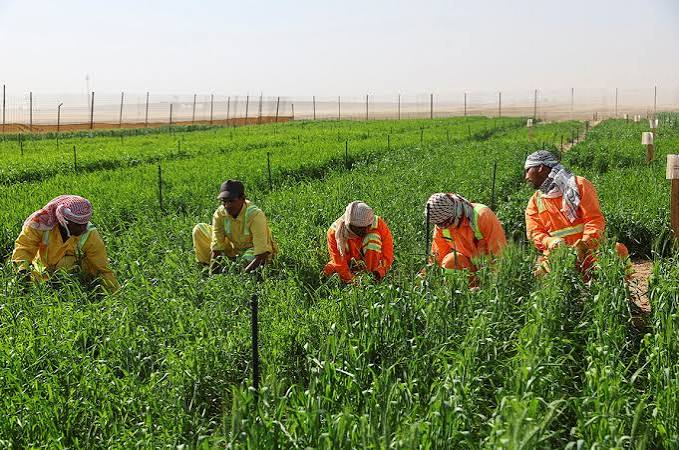
Global food security is facing mounting pressure from unpredictable weather, declining soil quality, water shortages and disruptions to agricultural supply chains. Against this backdrop, agritech leaders and international food security organizations unveiled new high yield, climate resilient crop innovations on November 7, 2026, during discussions focused on strengthening food production across vulnerable regions. The developments highlight a growing shift toward agricultural systems that can maintain reliable harvests despite increasingly difficult environmental conditions.
For farmers working through prolonged dry seasons, unexpected rainfall or extreme temperatures, agricultural innovation is not simply a question of improving productivity. It is closely connected to household income, food affordability and the ability of communities to withstand future disruptions. The latest announcements place crop science, sustainable farming practices and agricultural technology at the center of efforts to protect food supplies while reducing pressure on natural resources.
Why Climate Resilient Agriculture Has Become a Global Priority
Agriculture depends heavily on predictable environmental conditions. Crops require suitable temperatures, sufficient moisture, healthy soil and reliable access to nutrients throughout their growing cycles. When these conditions change unexpectedly, farmers can experience lower yields, higher production costs and greater uncertainty about the next harvest.
Climate change is making these challenges more difficult in many agricultural regions. Extended droughts can reduce irrigation supplies, while excessive rainfall and flooding can destroy fields, damage infrastructure and interrupt transportation networks. Heat stress can also affect flowering, pollination and grain development, reducing the amount of food harvested from otherwise productive land.
These pressures are especially serious in developing economies, where millions of households depend directly on agriculture for employment and income. Farmers with limited access to irrigation, improved seeds, crop insurance and modern equipment often have fewer options when environmental conditions deteriorate.
The Food and Agriculture Organization of the United Nations has identified climate change as a major challenge for agricultural production, food security and rural livelihoods. Its work highlights the need for agricultural systems that can adapt to changing conditions while maintaining productivity and environmental sustainability.
The innovations presented during the November 7 discussions reflect this wider priority. Rather than relying exclusively on expanding farmland or increasing chemical inputs, researchers and agricultural companies are exploring ways to produce more food from existing resources while making crops better equipped to withstand environmental stress.
New Crop Innovations Aim to Protect Harvests Under Difficult Conditions
One of the most significant areas of agricultural research involves developing crop varieties that can tolerate drought, excessive heat, soil salinity and changing rainfall patterns. These characteristics are particularly valuable in regions where traditional farming varieties struggle to maintain consistent production.
Plant breeders are using conventional breeding, molecular research and advanced genetic techniques to identify characteristics associated with stronger environmental performance. Depending on the crop and region, these efforts may focus on deeper root systems, improved water efficiency, shorter growing periods, resistance to common plant diseases or the ability to maintain grain development under elevated temperatures.
High yield potential remains an important objective, but researchers increasingly recognize that productivity must be considered alongside reliability. A crop that produces exceptionally large harvests under ideal conditions may provide little security if it performs poorly during a drought or heatwave. Climate resilient varieties aim to reduce that vulnerability.
Drought Tolerance and More Efficient Water Use
Water scarcity remains one of the most serious threats to agricultural production. In areas dependent on seasonal rainfall, a delayed monsoon or extended dry period can disrupt planting schedules and reduce harvest volumes. Irrigated farming also faces growing competition for limited freshwater supplies.
Drought tolerant crop varieties can help farmers manage these conditions by maintaining essential biological functions when water availability declines. Some varieties have improved root development, allowing plants to access moisture deeper within the soil. Others demonstrate better water use efficiency or maintain productivity under moderate moisture stress.
These improvements do not eliminate the need for responsible irrigation management. Instead, they can complement practices such as drip irrigation, rainwater harvesting, soil moisture monitoring and mulching. Combining improved seeds with efficient water management can provide farmers with a stronger defense against unpredictable rainfall.
Heat Resistant Crops and Changing Growing Seasons
Extreme heat can interfere with several stages of crop development. High temperatures during flowering may reduce successful pollination, while prolonged heat exposure can accelerate plant maturity and limit grain filling.
Heat tolerant wheat, rice, maize and other staple crop varieties could therefore play an important role in regions experiencing increasingly hot growing seasons. Researchers are examining plant characteristics that help maintain reproductive development and reduce damage caused by temperature stress.
For farmers, the value of these innovations will ultimately depend on their performance under real field conditions. Regional trials, seed availability and affordability will determine whether improved varieties can move beyond research programs and become practical agricultural tools.
How Agritech Is Changing Sustainable Food Production
Crop innovation is only one part of the wider agricultural technology movement. Digital tools, precision farming equipment and improved agricultural monitoring systems are also changing how farmers make decisions.
Satellite imagery, remote sensing and weather forecasting services can help identify areas experiencing moisture stress, monitor crop development and provide earlier warnings about potentially damaging weather. Soil sensors can offer information about moisture levels, allowing farmers to make more informed irrigation decisions instead of applying water according to fixed schedules.
Artificial intelligence is also being used in agricultural research and farm management. Data analysis systems can help identify patterns in crop performance, estimate potential yields and support decisions about planting times, fertilizer requirements and pest management.
However, technology must remain accessible to the farmers who need it most. Expensive equipment, limited internet access, inadequate technical training and unreliable electricity can prevent rural communities from benefiting fully from digital agriculture. Affordable services and practical training are therefore essential components of successful agritech development.
Strengthening Food Supply Chains Across Vulnerable Regions
Increasing agricultural production does not automatically guarantee food security. Food must also be harvested, stored, transported, processed and distributed efficiently. Weaknesses at any stage can lead to significant losses before products reach consumers.
Climate related disruptions can damage roads, interrupt electricity supplies and delay shipments. High temperatures can accelerate food spoilage, particularly where cold storage facilities are unavailable. Small farmers may also struggle to access markets when transportation costs rise or local infrastructure becomes unreliable.
The November 7 initiatives place supply chain stability alongside crop productivity, recognizing that resilient food systems require investment beyond the farm itself.
Improved grain storage, temperature controlled transportation, regional processing facilities and digital market information can help reduce post harvest losses. Better connections between farmers, agricultural cooperatives, distributors and food processors can also make supply chains more responsive when disruptions occur.
For vulnerable communities, these improvements can have a direct effect on food affordability. When fewer crops are lost after harvesting and distribution becomes more reliable, a greater share of agricultural production can reach local markets.
Smallholder Farmers Must Remain Central to Agricultural Innovation
Smallholder farmers are essential to food production in many developing regions, yet they frequently face barriers to adopting improved agricultural technologies. The initial cost of certified seeds, fertilizers, irrigation systems and digital services can be difficult to manage, particularly when farm incomes depend on a single annual harvest.
Access to agricultural information is another challenge. Farmers may hear about improved crop varieties but lack reliable guidance about planting conditions, suitable soil types or local performance. Without effective extension services, even promising technologies can fail to deliver their intended benefits.
To address these concerns, agricultural development programs need to connect scientific research with practical support. Public institutions, universities, seed producers and local farming organizations can work together to conduct field demonstrations, provide training and improve access to affordable inputs.
Financial support also matters. Agricultural credit, crop insurance and cooperative purchasing arrangements can help farmers manage the risks associated with adopting new methods. These measures are particularly important when climate resilient seeds require an initial investment that farmers cannot comfortably absorb.
Environmental Sustainability Must Accompany Higher Crop Yields
Improving food production cannot come at the expense of the natural resources agriculture depends on. Intensive farming can contribute to soil degradation, groundwater depletion, biodiversity loss and excessive fertilizer runoff when poorly managed.
Sustainable agricultural systems aim to protect long term productivity through better soil management, responsible water use and reduced environmental damage. Practices such as crop rotation, conservation agriculture, integrated pest management and agroforestry can support healthier farming environments.
Climate resilient seeds can complement these practices, but they should not be treated as a complete solution. Their effectiveness depends on local conditions, appropriate cultivation methods and responsible resource management.
The CGIAR agricultural research network supports scientific research focused on climate adaptation, crop improvement, sustainable agriculture and food security. Its international research partnerships demonstrate how collaboration can help develop agricultural solutions suited to different environments and farming communities.
What Farmers, Governments and Agritech Companies Should Watch Next
The success of the latest agricultural innovations will depend on whether they can move from research announcements into accessible, affordable and independently tested farming solutions. Governments and agricultural organizations will need to assess performance across different climates, soil conditions and farming systems.
Several priorities deserve particular attention:
- Regional crop testing: Evaluate improved varieties under actual local weather and soil conditions before recommending widespread adoption.
- Affordable seed distribution: Strengthen supply networks so smallholder farmers can access quality seeds at reasonable prices.
- Water management: Combine drought tolerant crops with efficient irrigation and responsible groundwater use.
- Farmer education: Provide practical guidance through agricultural extension programs and local demonstration farms.
- Supply chain investment: Improve storage, transportation and processing facilities to reduce food losses.
- Transparent performance data: Publish reliable field trial results covering yields, environmental performance and production costs.
These measures can help ensure that agricultural innovation produces measurable benefits rather than remaining limited to research institutions or well funded commercial farms.
A More Resilient Future for Global Food Security
The agricultural developments highlighted on November 7, 2026, reflect a growing recognition that food security requires more than producing larger harvests. Farmers need crops capable of withstanding environmental pressure, technologies that support informed decisions and supply chains that can continue functioning during periods of disruption.
For communities facing water shortages, rising temperatures and uncertain harvests, climate resilient agriculture offers an opportunity to reduce risk and protect livelihoods. Yet the benefits will depend on collaboration between researchers, governments, private companies and the farmers who ultimately put these innovations into practice.
The next stage will require careful field testing, affordable access and sustained investment in rural infrastructure. If these priorities receive sufficient attention, improved crop varieties and sustainable farming technologies could contribute to more dependable food supplies across vulnerable regions.
Ultimately, a resilient global food system is not measured only by how much food it produces in a successful growing season. Its real strength lies in its ability to keep feeding communities when rainfall fails, temperatures rise and supply chains come under pressure. That is the standard against which the next generation of agricultural innovation should be judged.