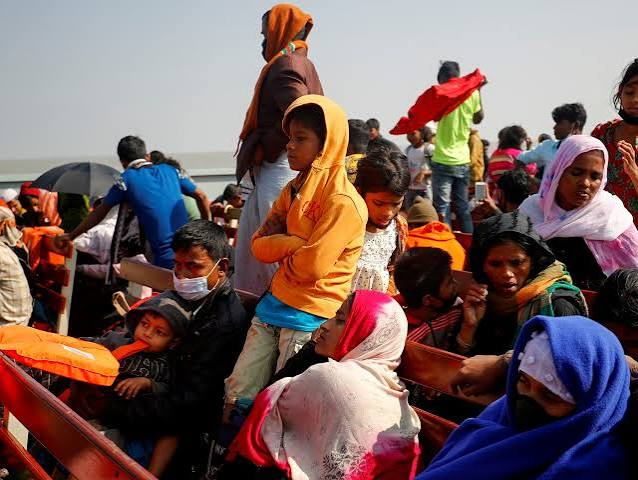
A historic moment for international justice is approaching as the United Nations’ highest court prepares to deliver its judgment in The Gambia’s genocide case against Myanmar. The International Court of Justice has confirmed that it will announce its decision on Thursday, November 19, 2026, addressing allegations that Myanmar violated the Genocide Convention during its military campaign against the Rohingya Muslim minority. The ruling could shape how international courts evaluate evidence of genocide, determine state responsibility and interpret the legal obligation to prevent mass atrocities.
For Rohingya survivors, many of whom have spent years rebuilding their lives in overcrowded refugee settlements in Bangladesh, the decision carries significance beyond legal arguments. It represents a long awaited opportunity for international recognition of the suffering they describe. For governments and legal institutions, meanwhile, the judgment will offer important guidance on one of international law’s most demanding questions: when does a pattern of violence demonstrate an intention to destroy a protected group?
International Court of Justice Confirms November 19 Judgment
The ICJ announced on November 3 that it would deliver its judgment at a public sitting at the Peace Palace in The Hague at 10 a.m. local time. The announcement brings the proceedings, which began nearly seven years ago, to a decisive stage.
The case was formally filed by The Gambia on November 11, 2019. The West African country accused Myanmar of breaching its obligations under the 1948 Convention on the Prevention and Punishment of the Crime of Genocide through actions directed against the Rohingya population. The Gambia asked the Court to determine whether Myanmar had violated the convention, order it to stop any continuing wrongful conduct, and provide reparations and guarantees that such violations would not happen again.
The case is particularly significant because The Gambia is not required to demonstrate that it suffered direct harm from the alleged conduct. Its legal argument rests on the shared responsibility of countries that are parties to the Genocide Convention to prevent and punish genocide. The proceedings therefore concern obligations that extend beyond the immediate relationship between Myanmar and the Rohingya community.
The ICJ is expected to determine whether the evidence establishes that Myanmar committed internationally wrongful acts under the Genocide Convention and whether those acts can be attributed to the state. The Court has not announced its conclusions in advance, and the allegations must be assessed through the legal standards governing the case.
How the Rohingya Crisis Led to the International Case
The legal dispute is rooted in the Myanmar military operations of 2016 and 2017 in Rakhine State. The violence intensified in August 2017, when security forces launched a major campaign following attacks on police posts by Rohingya militants. The military described its actions as counterterrorism operations. Rohingya survivors, human rights organizations and international investigators reported widespread killings, sexual violence, village destruction and forced displacement.
At least 730,000 Rohingya fled to neighbouring Bangladesh during the 2017 crackdown, joining an existing refugee population that had already escaped earlier waves of persecution. Many crossed the border with little more than the clothes they were wearing. Families were separated, homes were burned, and entire communities were uprooted. Large numbers eventually settled in the Cox’s Bazar region, where refugees continue to face restrictions, limited opportunities and difficult living conditions.
United Nations investigators documented allegations of severe abuses and described circumstances that raised serious concerns about genocidal intent. The military campaign became the subject of international scrutiny, with investigators examining whether the violence was part of a broader effort to destroy the Rohingya as a protected ethnic and religious group.
Myanmar has rejected the genocide allegations. Its position has been that the security operations were a response to militant attacks and were conducted to restore stability. The ICJ judgment will assess the legal responsibility of the state based on the evidence and arguments submitted during the proceedings.
Why Proving Genocide Requires a High Legal Standard
Genocide is among the most difficult international crimes to establish because the law requires more than proof of widespread killing or other serious abuses. Under the Genocide Convention, prosecutors or applicants must establish that at least one of the prohibited acts was committed with the specific intention of destroying, in whole or in part, a national, ethnic, racial or religious group as such.
The convention identifies five categories of prohibited acts: killing members of a protected group, causing serious bodily or mental harm, deliberately imposing conditions intended to bring about the group’s physical destruction, preventing births within the group, and forcibly transferring children from one group to another.
Evidence of these acts does not automatically establish genocide. Judges must also consider the intention behind the conduct. That intention may be demonstrated through direct statements, official orders or other evidence. In cases where explicit instructions are unavailable, courts may examine the broader pattern of conduct, the scale and nature of violence, the selection of victims and whether alternative explanations reasonably account for the evidence.
This distinction is central to the Myanmar proceedings. The Court must consider whether the alleged acts, viewed together with the surrounding circumstances, demonstrate the specific intent required by the convention. Its reasoning could help clarify how international law evaluates evidence when a government denies genocidal intent but investigators point to a sustained pattern of violence against a protected population.
Eleven Countries Have Joined the Proceedings
The case has attracted attention well beyond The Gambia and Myanmar. Eleven countries have intervened in the proceedings to present arguments about the interpretation of the Genocide Convention. They include Canada, Denmark, France, Germany, the Netherlands, the United Kingdom, the Maldives, Slovenia, the Democratic Republic of the Congo, Belgium and Ireland.
These interventions reflect the wider international interest in how the convention should be interpreted and applied. Under the ICJ Statute, countries that are parties to a treaty may intervene in certain circumstances to present their views on its interpretation. Their participation does not turn them into additional applicants or respondents, but it allows the Court to consider broader legal perspectives.
The involvement of these states also illustrates why the ruling may matter beyond the immediate dispute. Governments around the world have obligations under the Genocide Convention, including duties to prevent genocide when they become aware of a serious risk and to avoid conduct that violates the treaty. A detailed judgment could influence how those responsibilities are understood in future disputes.
What the Court Has Already Decided
The November judgment follows several important stages. In January 2020, the ICJ ordered Myanmar to take measures to prevent acts covered by the Genocide Convention against the Rohingya. It also required the country to prevent the destruction of relevant evidence and submit regular reports on the measures taken to comply with the order.
Those provisional measures were not a final finding that genocide had occurred. They were urgent protective steps issued while the wider case continued. Their purpose was to reduce the risk of irreparable harm to the rights at issue and preserve evidence that could be important to the final proceedings.
Myanmar later challenged the Court’s jurisdiction and the admissibility of The Gambia’s application. In July 2022, the ICJ rejected the preliminary objections and confirmed that it had jurisdiction under Article IX of the Genocide Convention. It also found that The Gambia’s application was admissible, allowing the case to proceed to examination of the merits.
Public hearings on the merits took place from January 12 to January 29, 2026. The parties presented their legal arguments, and the Court examined witnesses and expert evidence. At the conclusion of the hearings, the judges began their deliberations. The November 19 sitting will bring those deliberations to a public conclusion.
Why the Judgment Matters for Other Genocide Cases
Legal observers will closely examine the Court’s explanation of how it assesses intent, evaluates evidence and determines whether acts committed by state authorities amount to genocide. The ICJ has considered genocide claims before, but judgments on the merits under the Genocide Convention remain relatively rare. A detailed decision in the Myanmar case could therefore become an important reference for future litigation.
One case likely to attract comparisons is South Africa’s proceedings against Israel concerning alleged violations of the Genocide Convention in Gaza. Israel rejects the genocide allegations. Although the circumstances and evidence in that dispute are different, lawyers and governments may examine the Myanmar judgment for guidance on the interpretation of treaty obligations and the evidentiary standards applied by the Court.
The ruling could also influence discussions surrounding Ukraine’s case against Russia under the same convention. More broadly, it may help clarify how countries can be held responsible for failing to prevent genocide, what steps they must take when a serious risk emerges, and how international judges assess evidence collected during armed conflict.
However, the judgment will not automatically decide other cases. Each dispute must be examined on its own facts, legal submissions and evidentiary record. The ICJ does not operate as a criminal court, and its decisions in disputes between states do not establish the individual criminal guilt of military officers or political leaders.
What a Binding Judgment Can and Cannot Achieve
An ICJ judgment is final and binding on the parties to the particular case. There is no ordinary appeal process. If the Court finds Myanmar responsible for violations of the convention, its decision could establish important legal obligations relating to cessation, reparations and assurances against repetition, depending on the findings and remedies ordered.
Yet a legal ruling cannot, by itself, rebuild destroyed villages, restore lost livelihoods or guarantee that refugees can safely return home. Implementation depends on state compliance and, where necessary, international diplomatic and institutional pressure. The Court also has no police force of its own to enforce its decisions.
The question of safe and voluntary return remains especially important for Rohingya refugees. Any return process would require credible security guarantees, protection from discrimination, recognition of basic rights and access to homes and livelihoods. A return that exposes people to renewed persecution would not provide a durable solution.
For survivors, the difference between a legal finding and a change in daily life is substantial. A judgment may formally recognize state responsibility, but lasting accountability also requires cooperation, protection and practical measures that allow displaced communities to live with dignity.
Rohingya Survivors Await a Decision With Global Consequences
As the judges prepare to deliver their decision, attention is focused on The Hague, but the consequences will be felt far beyond the courtroom. In refugee settlements in Bangladesh, families continue to live with the consequences of displacement. Many have spent years waiting for a future in which they can return safely, rebuild their communities and secure equal treatment under the law.
The November 19 judgment will not resolve every aspect of the Rohingya crisis. It will, however, provide an authoritative legal assessment of Myanmar’s obligations under one of the world’s most important human rights treaties. Its findings may also influence how governments, investigators and international courts approach allegations of genocide elsewhere.
For international justice, the central test is not simply whether the Court issues a strong statement. It is whether the judgment provides a clear legal account of the evidence, identifies the responsibilities established by the convention and contributes to meaningful protection against future atrocities. The decision will be a defining moment in the long legal struggle over the Rohingya crisis, with implications for the credibility of international law and the principle that no population should be left without protection when facing the threat of destruction.
Readers can follow the case documents, hearing records and official announcement through the International Court of Justice case file for The Gambia v. Myanmar. The Court’s findings will offer a major reference point for future debates over genocide prevention, state accountability and the obligations governments share under international law.