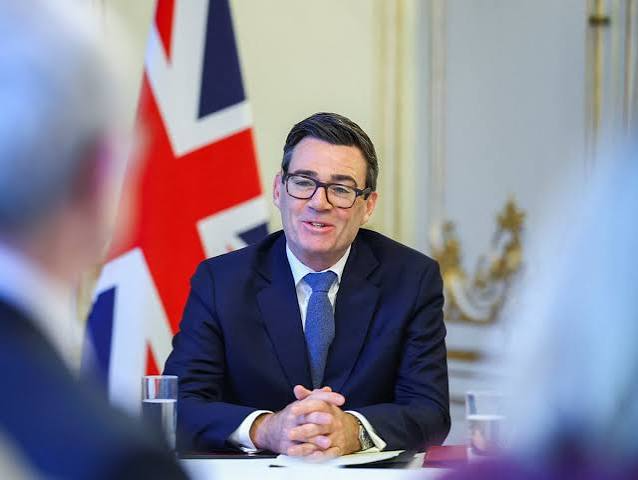
The European Union and the United Kingdom have reached a significant agreement to rebuild their relationship, marking a new chapter in bilateral cooperation nearly a decade after the 2016 Brexit referendum. Announced following a summit in Brussels on November 20, 2026, the agreement focuses on reducing trade barriers, expanding opportunities for young people, strengthening economic cooperation and improving security coordination. The deal represents a practical attempt by both sides to move beyond years of political disagreements and address the economic and strategic challenges they increasingly share.
A New Chapter in EU UK Relations After a Decade of Brexit
The November 20 summit brought together British Prime Minister Andy Burnham, European Commission President Ursula von der Leyen and European Council President António Costa in Brussels. Their discussions reflected a growing recognition that geographical proximity, shared economic interests and common security concerns make cooperation essential for both sides.
Since the United Kingdom formally left the European Union in January 2020, relations have been shaped by additional customs procedures, regulatory differences and disagreements over trade and immigration. Although the original Trade and Cooperation Agreement maintained a framework for economic relations, businesses on both sides continued to face administrative costs and practical barriers.
The new agreements seek to address several of these difficulties without reversing Brexit. The British government has maintained that closer cooperation does not mean rejoining the European Union, its customs union or its single market. Instead, the objective is to establish a more practical partnership while preserving the UK’s independent political and regulatory position.
Food and Agricultural Trade Set for Major Improvements
One of the most significant elements of the agreement concerns food, agriculture and animal health regulations. Following Brexit, British exporters encountered additional inspections, certificates and documentation when transporting products into European markets. These requirements increased costs, created delays and made international supply chains more complicated.
The new Sanitary and Phytosanitary Agreement will establish a common regulatory area for food safety, animal health and plant health. Under the arrangement, the United Kingdom and the European Union will align relevant rules, reducing the need for repeated border checks and certification procedures.
The British government estimates that UK agricultural and food exports to the European Union have declined by 32.5 percent since 2019. The new arrangements are intended to help businesses regain access to European customers while making cross border trade less expensive.
Several practical changes are expected under the agreement:
- Removal of many export health certificate requirements for eligible food products.
- Reduced phytosanitary paperwork and inspection costs.
- Fewer time consuming border checks for products such as dairy, meat and fish.
- Improved market access for British products, including fresh sausages, burgers, seed potatoes and certain seafood.
- Simpler arrangements for transporting eligible goods from Great Britain to Northern Ireland.
The agreement will also make it easier for British pet owners to travel to European Union countries through a multi use pet passport arrangement.
However, consumers and businesses should not expect immediate changes. Subject to the necessary legal procedures, the common sanitary and phytosanitary arrangements are scheduled to apply from March 1, 2028. This timetable gives businesses and authorities time to prepare for the new regulatory system.
New Youth Mobility Scheme Creates Opportunities for Young People
Another important outcome is the proposed Youth Experience Scheme, which could provide meaningful opportunities for a new generation of British and European citizens. Brexit ended the previous freedom of movement arrangements for British citizens travelling to live and work across EU member states. The new agreement aims to restore some opportunities through a controlled mobility programme.
Under the proposed scheme, eligible individuals aged between 18 and 31 will be able to travel, study, work, volunteer or participate in au pair arrangements in each other’s territories for a period of up to three years.
The programme is expected to provide places for up to 100,000 young people from the United Kingdom and 100,000 from the European Union annually. British participants will initially apply to a particular EU member state and may subsequently move between as many as three member states during the permitted period.
For students, graduates and early career professionals, this could mean greater access to international experience, professional networks and educational opportunities. Young people could develop language skills, gain workplace experience and experience different European cultures without needing to pursue conventional long term immigration routes.
Nevertheless, the scheme will operate under specific conditions. Participants will not automatically receive access to social security benefits in their host territories and will not be permitted to bring dependants under the arrangement. The first participants are expected to travel no later than January 2030.
Although the scheme does not restore general freedom of movement, it represents a substantial change in opportunities for younger generations who have grown up with the restrictions introduced after Brexit.
EU and UK Agree to Connect Carbon Markets
Economic cooperation also features prominently in the agreement, particularly through plans to connect the United Kingdom’s emissions trading system with the European Union’s equivalent carbon market.
Emissions trading systems place a financial cost on greenhouse gas pollution by requiring participating businesses to hold allowances for their emissions. Companies can trade these allowances, creating an incentive to reduce pollution and invest in cleaner industrial technologies.
Following Brexit, the United Kingdom established its own carbon trading arrangements. Operating separate systems created additional complications for businesses trading across the European market, particularly in industries with substantial energy requirements.
The new agreement will connect the two carbon markets, with both sides aiming to make the arrangement operational by January 1, 2028. It is also expected to provide exemptions from relevant carbon border adjustment mechanisms, helping reduce the risk of additional costs on British exports to the European Union.
The British government estimates that linking the systems could contribute nearly £3.8 billion annually to the UK economy by 2040. The agreement could also benefit industries such as steel, aluminium, aviation and maritime transport by providing greater regulatory consistency.
For businesses, a larger connected carbon market could improve access to trading opportunities and provide more predictable conditions for long term investment. For policymakers, it offers a way to combine economic cooperation with shared environmental objectives.
Security and Defence Cooperation Becomes a Central Priority
Beyond trade and economic policy, security cooperation has become an increasingly important reason for closer relations between London and Brussels. Russia’s continuing war against Ukraine, concerns about cyberattacks, foreign interference and wider geopolitical instability have strengthened the case for coordinated European action.
The November summit builds on the EU UK Security and Defence Partnership established in 2025. Both sides agreed to deepen cooperation on maritime security, crisis management, defence industry development, hybrid threats and support for Ukraine.
A particularly important development is the conclusion of negotiations on a Framework Participation Agreement. This arrangement will allow the United Kingdom to participate more regularly in European Union civilian missions, supporting international crisis management and security operations.
The two partners also intend to strengthen their coordination against hostile activities and improve cooperation on democratic resilience. These measures reflect a shared understanding that modern security challenges frequently cross national borders and cannot always be addressed through individual government action.
Support for Ukraine remains a major element of the partnership. Both sides reaffirmed their commitment to providing political, financial, military and humanitarian assistance while supporting efforts to achieve a lasting peace.
European Council President António Costa described the partnership as a strategic investment in Europe’s security and shared prosperity. His remarks reflected the broader message of the summit: closer British and European cooperation is increasingly important in responding to international instability.
Migration, Law Enforcement and Digital Cooperation Also Included
The reset extends beyond the headline trade and mobility agreements. The United Kingdom and European Union have also committed to improving cooperation on illegal migration, organised crime and judicial matters.
Authorities will work towards stronger information sharing, including the exchange of biometric information, criminal records and electronic evidence. Better access to relevant information could help law enforcement agencies identify criminal networks, investigate cross border offences and strengthen border security.
Both sides also intend to coordinate their efforts against organised immigration crime and dangerous Channel crossings. A new structured dialogue on migration will provide a framework for monitoring progress and discussing further measures.
Digital cooperation is another area receiving attention. The partners plan to develop a new Digital Partnership covering artificial intelligence, quantum technologies, digital infrastructure, digital credentials and online safety. Further details are expected as discussions progress.
In addition, a new partnership for economic resilience will focus on protecting important supply chains and responding to shared economic security challenges. Steel, electric vehicles and emerging technologies have been identified as priority areas for cooperation.
What the Agreement Means for Businesses and Ordinary Citizens
The success of the EU UK reset will ultimately depend on whether its commitments produce visible improvements in everyday economic and social conditions.
For British agricultural businesses, fewer inspections and simpler documentation could reduce operating costs and make European customers easier to reach. European suppliers could also benefit from more predictable access to the British market.
Consumers may benefit indirectly if lower transport and administrative costs help reduce pressure on food prices. However, the extent of any savings will depend on business decisions, market conditions and the successful implementation of the new arrangements.
For young people, the mobility programme could reopen opportunities that became more difficult to access following Brexit. Students and early career professionals may gain new options for international education, temporary employment and cultural exchange.
Manufacturers and energy intensive businesses could also benefit from greater consistency between British and European carbon regulations. Meanwhile, stronger security cooperation could improve the ability of both partners to respond to threats affecting the wider European region.
These potential benefits will not arrive simultaneously. Several commitments require further legal agreements, administrative preparation and cooperation between national authorities before they can take full effect.
Brexit Remains a Political and Economic Dividing Line
Despite the positive tone of the summit, the agreement does not resolve every disagreement that has shaped relations since the 2016 referendum. Questions surrounding immigration, regulatory independence, economic integration and the future direction of Britain’s relationship with Europe remain politically sensitive.
The British government continues to rule out returning to the European Union, the single market or the customs union under its current policy commitments. The reset is therefore designed around selective cooperation rather than full political or economic reintegration.
Tuition fees are another outstanding issue. Both sides have agreed to negotiate a separate arrangement intended to improve access to universities in each other’s territories, with the objective of concluding discussions within six months. Differences over the treatment of students and education costs demonstrate that further negotiations will be necessary.
There are also important questions about implementation. Businesses will need clear guidance, regulators must coordinate their procedures and both political systems must complete the relevant approval processes. Any delays could affect the timetable for delivering the expected economic benefits.
For supporters of closer European relations, the summit represents evidence that practical cooperation can improve without reversing the outcome of the Brexit referendum. For critics, the closer alignment of certain rules may raise questions about how Britain balances economic access with its desire for independent decision making.
What Happens Next in the EU UK Partnership?
The November 20 agreement provides a framework for the next stage of relations, but implementation will determine its long term significance. Both governments must now translate political commitments into functioning legal arrangements, regulatory procedures and programmes that businesses and citizens can actually use.
The most immediate priorities include preparing the food and agricultural agreement for its planned March 2028 start, establishing the linked emissions trading arrangements by January 2028 and completing the necessary work for the youth mobility programme before its expected launch.
Further negotiations on student tuition fees, digital cooperation, professional qualifications and business mobility will also shape the relationship over the coming months.
European Commission and European Council leaders have indicated that the European Union remains open to maintaining the closest possible relationship with the United Kingdom, while continuing to uphold the principles governing access to its single market.
A Pragmatic Reset Rather Than a Return to the European Union
The EU and UK agreement marks an important moment in a relationship that has experienced considerable political tension since the Brexit referendum. By focusing on practical challenges involving food trade, economic competitiveness, youth opportunities and European security, both sides have demonstrated a willingness to pursue common interests despite their different political positions.
The agreement does not erase the consequences of Brexit, nor does it restore the arrangements that existed when Britain was an EU member. Instead, it establishes a more cooperative approach based on negotiated commitments and shared priorities.
For businesses, the immediate test will be whether reduced paperwork and improved market access translate into lower costs and stronger trading opportunities. For young people, the promise of renewed mobility will depend on the programme becoming accessible and affordable. For European security, closer coordination will be measured by the ability of both partners to respond effectively to shared threats.
Ten years after the referendum, the message from Brussels is that the United Kingdom and European Union can maintain separate political identities while working more closely where their interests overlap. Whether this reset becomes a lasting improvement in relations will depend not on the announcements made at the summit, but on the results delivered in the years ahead.
For further details on the agreements and their implementation, readers can explore the official UK Government and European Council websites.