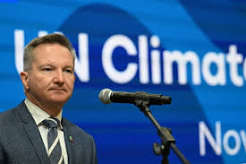
Climate negotiators at COP31 have released a revised draft agreement in a renewed effort to break a diplomatic deadlock over emissions reductions, climate finance and the practical delivery of existing commitments. Published on November 19, the updated text reflects an attempt by the summit presidencies to find language that nearly 200 participating countries can accept. Yet the compromises have also exposed the difficult choices facing governments as the conference approaches its scheduled conclusion in Antalya, Türkiye, on November 20.
The revised document is shorter and more focused than the earlier proposal, but its changes have prompted serious concern among climate campaigners and representatives of vulnerable countries. References to transitioning away from fossil fuels have disappeared, while a proposed annual adaptation finance target of $120 billion by 2035 has also been removed. For negotiators, the challenge is no longer simply to produce a document that secures agreement. It is to reach an outcome that can demonstrate meaningful progress on climate action without weakening commitments that countries have already made.
Why the revised COP31 draft matters
United Nations climate conferences depend on consensus. Governments with very different economies, energy systems and development priorities must negotiate shared language on issues that affect their national policies and long term economic choices. That process can make progress difficult, particularly when discussions involve fossil fuel production, financial responsibility and the pace of emissions reductions.
The first presidency led draft, released on November 16, was deliberately broad. It included competing proposals and options that reflected the different positions expressed by participating countries. The presidency made clear that the document was intended to support further discussions rather than represent an agreed position. The revised version published on November 19 attempted to narrow those differences and identify areas where a common political outcome might be possible.
The change is significant because the cover decision serves as the summit’s central political statement. It does not replace every technical agreement negotiated during COP31, but it communicates the direction governments are prepared to support. Its wording can influence national climate planning, international cooperation and expectations about future funding.
Fossil fuel language disappears from the new text
One of the most consequential changes concerns fossil fuels. The earlier draft included proposals related to a just, orderly and equitable transition away from coal, oil and gas. Those references were removed from the revised document, leaving negotiators without an explicit fossil fuel transition commitment in the proposed cover decision.
The omission reflects a familiar division in international climate diplomacy. Many countries and climate organizations argue that limiting global warming requires a faster transition away from fossil fuel dependence. Other governments remain concerned about energy security, development needs, economic disruption and the financial cost of changing their energy systems. Countries that rely heavily on fossil fuel production also face questions about employment, public revenue and the future of major industries.
Turkey and Australia, which are leading the conference, have defended the effort to concentrate on commitments that governments can implement. Their position reflects the practical difficulty of securing agreement among almost 200 countries. However, removing explicit language on fossil fuels has raised questions about whether the revised draft offers a meaningful response to the emissions challenge or simply avoids one of the most divisive issues.
For communities already experiencing extreme heat, drought, flooding and other climate impacts, the distinction matters. A diplomatic agreement may be difficult to negotiate, but its language helps establish what governments are expected to do after delegates leave the conference.
Climate finance remains a major obstacle
Finance is another central source of disagreement. Developing countries have repeatedly argued that they cannot meet climate targets or protect vulnerable communities without predictable financial support. Many face rising costs from coastal protection, water shortages, agricultural disruption, extreme weather and the replacement of high emitting infrastructure. These expenses can place additional pressure on national budgets that are already stretched by debt and development needs.
The earlier COP31 draft included a proposed target of $120 billion in annual adaptation finance by 2035. That figure was removed from the revised text, leaving the proposed agreement without the same clear financial benchmark. The change is particularly sensitive for countries that have contributed relatively little to historical greenhouse gas emissions but face significant consequences from a warming climate.
Adaptation finance supports measures that help societies prepare for climate impacts that are already occurring or becoming increasingly difficult to avoid. These can include flood protection, stronger public infrastructure, climate resilient agriculture, early warning systems and improved access to reliable water supplies. Without adequate funding, even well designed national adaptation plans can remain difficult to implement.
The wider dispute is not only about the amount of money available. Governments also disagree over how financial support should be delivered, how existing commitments should be measured and how responsibility should be shared between public institutions, development banks and private investors. Negotiators must address these questions while avoiding language that leaves financial promises too vague to evaluate.
Electrification offers a possible area of agreement
Although the revised draft removes explicit fossil fuel transition language, it retains a proposal to increase electricity’s share of global final energy consumption to 35 percent by 2035. Electricity currently represents roughly 23 percent of global energy consumption, making the proposed target a substantial shift in how energy is used across the economy.
Electrification can reduce emissions when electricity is generated from cleaner sources. It can support the expansion of electric vehicles, improve energy efficiency in buildings and help industries replace some fossil fuel powered processes. It may also strengthen energy security by reducing dependence on imported fuels, particularly when countries invest in domestic renewable electricity generation.
However, the target has its own limitations. Electricity does not automatically mean clean energy. If additional demand is met primarily through coal or gas generation, the climate benefits may be smaller than expected. Governments must therefore consider renewable energy capacity, electricity networks, storage systems and the cost of upgrading infrastructure.
Support for the proposal has also been uneven. Reports from the negotiations indicate that around 75 countries backed the electricity target, while developing nations raised concerns about the funding and infrastructure required to deliver it. The revised language reflects an attempt to preserve a shared direction without imposing obligations that some governments believe they cannot meet.
The 1.5 degree threshold remains a warning
The revised draft acknowledges that projected global warming is expected to exceed the 1.5 degree Celsius threshold above pre industrial levels. This is a significant political recognition of the scale of the climate challenge. The Paris Agreement established the ambition of limiting warming to well below 2 degrees while pursuing efforts to keep the increase to 1.5 degrees.
Exceeding that threshold would increase the risks of severe climate impacts, although the extent and duration of any overshoot would matter. Every additional fraction of warming can increase pressure on ecosystems, food production, water supplies and human health. The consequences are not distributed equally. Lower income communities and countries with limited resources often have fewer options for protecting homes, livelihoods and essential infrastructure.
The draft also retains language supporting deep, rapid and sustained reductions in greenhouse gas emissions. It recognizes the importance of a transition toward low emissions and climate resilient development, while giving greater attention to carbon removal technologies. These approaches may contribute to climate goals, but they cannot replace rapid reductions in emissions from energy, transport, industry and land use.
Pressure builds as the summit approaches its deadline
The revised draft arrived at a critical moment. In its November 20 update, the COP31 presidency said that limited time remained to resolve outstanding matters, including the climate finance work programme, the Adaptation Fund, the mitigation work programme, the global goal on adaptation and the just transition work programme. Discussions also continued on Article 6, which concerns international cooperation through carbon markets and other approaches.
Presidency led consultations were intended to help ministers and officials identify areas of agreement. The process requires governments to decide which proposals can remain in the final package, which need further revision and which may have to be left unresolved. Even after agreement on a political text, technical questions can continue to affect how commitments are implemented.
The pressure is considerable. A broad agreement could demonstrate that countries remain willing to cooperate despite disagreements over energy policy and financial responsibility. But an agreement reached by removing difficult subjects from the text could leave campaigners and vulnerable nations questioning what the negotiations have actually achieved.
What a credible COP31 outcome needs to deliver
As negotiations continue, the quality of the final agreement will depend on more than whether governments approve a common document. Its value will be measured by the clarity of its commitments and the likelihood that countries can turn them into action.
Several priorities remain central to that assessment:
- Clear emissions direction: Governments need credible plans for reducing greenhouse gas emissions, including practical measures across electricity, transport, buildings and industry.
- Reliable adaptation support: Vulnerable countries need predictable financial resources to protect communities, infrastructure and food systems from climate impacts.
- Fair implementation: Climate policies must account for different national circumstances, development needs and capacities while maintaining the overall ambition of international agreements.
- Transparent progress: Governments need measurable targets, regular reporting and clear processes for reviewing whether commitments are being delivered.
These priorities are closely connected. A country cannot easily accelerate electrification without investment in power generation and transmission. A government cannot protect vulnerable communities without resources for adaptation. Likewise, climate finance cannot produce lasting results unless projects are transparent, accessible and designed around local needs.
A test of international climate cooperation
The revised COP31 draft represents an effort to keep negotiations moving at a time when differences between national governments remain substantial. Its shorter format and adjusted language may make consensus more achievable, but the removal of fossil fuel references and the proposed adaptation finance figure has raised doubts about the strength of the emerging compromise.
We should judge the outcome by what it enables countries to do, not simply by whether delegates can announce an agreement. A successful climate summit must connect diplomatic commitments with the realities faced by people dealing with floods, heat, unreliable water supplies and rising costs. It must also recognize that developing countries need practical support if they are expected to pursue cleaner growth while protecting their populations.
The official United Nations Framework Convention on Climate Change provides the institutional record of the negotiations and the commitments made by participating governments. As COP31 moves toward its conclusion, the final wording will show how much common ground countries have been able to find.
The negotiations in Antalya are a reminder that international climate cooperation is difficult precisely because the consequences are shared, while the costs and responsibilities are not. The revised draft may help break the deadlock, but its lasting importance will depend on whether governments leave the summit with commitments strong enough to guide real action in the years ahead.