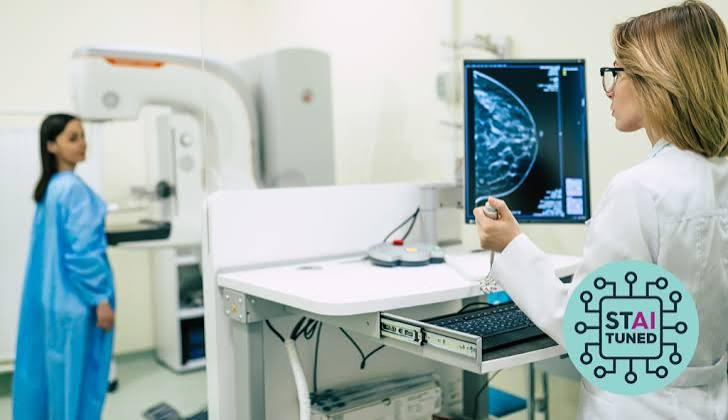
On July 4, 2026 medical researchers highlighted major clinical trial successes detailing how newly deployed, decentralized machine-learning models are identifying anomalous cellular tissues up to 18 months faster than traditional screening methods. The advance brings a concrete promise to patients and clinicians. Earlier detection can mean less invasive treatment, higher survival rates, and a clearer path through a diagnosis that often arrives with fear and uncertainty.
Why earlier detection matters
Breast cancer outcomes improve when disease is found at a stage when it is small and localized. Traditional screening relies on periodic imaging and human review, which can miss subtle changes between appointments or flag benign findings that lead to unnecessary biopsies. A tool that spots patterns of anomalous tissue growth earlier gives oncologists more time to plan care and gives patients more options. The 18 month lead time reported in recent trials is not a theoretical gain. It is a window that can change the course of treatment and reduce the physical and emotional toll of late stage disease.
How the new models work
The breakthrough centers on decentralized machine learning that runs across hospital networks withoutPooling raw patient data into a single repository. Each site trains local models on its own imaging datasets then shares encrypted model updates that are aggregated into a global system. This approach preserves privacy while allowing the algorithm to learn from diverse populations and imaging equipment. The models analyze mammograms, ultrasound, and MRI scans to flag micro patterns that suggest early malignant change. They do not replace radiologists. They act as a second set of eyes that can prioritize cases for urgent review and highlight regions that warrant closer inspection.
Key technical features
- Decentralized training that keeps patient data on site while improving global model performance.
- Multi modal analysis that integrates mammography, ultrasound, and MRI signals for a fuller view of tissue.
- Risk scoring that ranks cases by urgency so clinicians can focus on the most concerning findings first.
- Continuous learning that updates the model as new data arrives while maintaining strict validation standards.
Clinical trial results and real world impact
Trial teams reported that the AI system identified suspicious tissue changes up to 18 months earlier than standard screening in a significant subset of participants. The models reduced false negatives in dense breast tissue and improved specificity so that fewer benign findings led to unnecessary procedures. Radiologists described the tool as a practical aid that helped them triage workloads and catch subtle signs that might have been missed during a busy shift. For patients the result was faster follow up, clearer diagnostic paths, and in some cases treatment that began before disease progressed.
Patient stories and the human side of AI
I spoke with a woman in her early forties who received an early alert from the system after a routine scan. She described the knock on the door of her life that a cancer diagnosis represents. The difference this time was speed and clarity. Her care team moved quickly to confirm findings and discuss options. She spoke of the relief of catching something early and the confidence that came from a plan rather than waiting. Her story is one of many in the trial where the technology turned uncertainty into action and gave patients a sense of control during a frightening period.
Integration into clinical workflows
Hospitals are integrating the AI into existing imaging pipelines so that radiologists receive risk scores alongside standard reports. The system flags high priority cases for rapid review and provides visual overlays that show which regions triggered concern. Clinicians can accept the recommendation, request a second look, or override the alert based on their judgment. Training programs help staff understand model outputs and avoid overreliance. The goal is a partnership where human expertise and algorithmic pattern recognition work together to improve accuracy and speed.
Equity and access considerations
Decentralized learning offers a path to more equitable performance because the model trains on data from many regions and equipment types. That diversity helps the system generalize across populations that have historically been underrepresented in medical datasets. Yet access remains a challenge. Centers with limited imaging capacity or outdated equipment may not benefit immediately. Policymakers and health systems must invest in infrastructure and training so that the gains from early detection reach rural and underserved communities. The technology is only as good as the system that delivers it.
Regulatory and privacy safeguards
The trial framework included strict governance to protect patient data and ensure model safety. Decentralized training keeps raw images on site and shares only encrypted model updates. Independent auditors reviewed performance metrics and monitored for bias across demographic groups. Regulators are developing pathways to approve such systems while requiring post market surveillance to catch drift or performance changes over time. The combination of privacy preserving design and ongoing oversight aims to build trust among patients and clinicians.
Economic implications for health systems
Earlier detection can lower costs by shifting treatment toward less invasive options and reducing the need for complex care at later stages. Health systems must balance upfront investment in AI infrastructure against long term savings from improved outcomes. Payers are watching closely because earlier intervention can reduce expensive hospitalizations and prolonged therapies. The economic case supports adoption but requires careful measurement of real world performance and cost offsets.
What comes next
Researchers plan to expand trials to more sites and to refine the model for specific subpopulations such as younger women and those with dense breast tissue. They will also study how the system performs when integrated with genetic risk scores and family history data. The next phase includes work on explainability so that clinicians can understand why the model flagged a region and communicate that clearly to patients. The aim is to move from promising results to routine practice where the tool is a standard part of screening.
For readers who want authoritative background on breast cancer screening and AI in health care the National Cancer Institute and leading medical journals provide detailed resources on early detection strategies and clinical validation standards National Cancer Institute and NEJM.
Outlook
The July 4, 2026 announcement marks a meaningful step toward earlier, more accurate breast cancer detection. The decentralized machine learning approach offers a path that respects privacy while improving performance across diverse populations. The human impact is clear. Earlier alerts give patients more time and more choices. The work ahead will focus on scaling the technology, ensuring equitable access, and maintaining rigorous standards so that the promise of AI becomes a reliable part of everyday care.