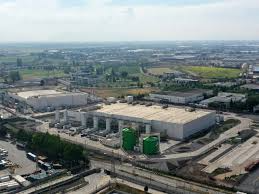
On June 5, 2026 a wave of corporate capital spending earmarked for large scale artificial intelligence data centers catalysed a surprise rebound in tech hiring and corporate labour markets worldwide. What began as an infrastructure race to support next generation models spilled into construction sites server rooms and office floors, generating demand for roles that range from electricians and cooling technicians to machine learning engineers and procurement specialists. The result is a jobs recovery that looks different from past cycles because it is rooted in physical buildout as well as software investment.
What triggered the spending spike
Over the past six months several major cloud providers and enterprise groups announced multibillion dollar commitments to expand compute capacity. Those investments concentrated on purpose built facilities with high power density, specialized cooling systems and large scale storage arrays designed to host foundation model training and inferencing workloads. Corporate capital expenditure plans show a clear pivot away from short term cost cutting toward long term capacity expansion as firms race to secure predictable access to compute resources and to lower latency for global customers.
The spending surge reflected multiple pressures. Rapid advances in model architecture increased computational requirements per training run. Competitive dynamics pushed firms to lock in capacity through owned or long term leased facilities rather than rely exclusively on spot market provisioning. Strategic concerns about resilience and supply chain control also motivated onshore data center investments in jurisdictions offering stable power and regulatory certainty.
How investment translated into jobs
Data center projects are labour intensive across phases. Early site development requires civil contractors, heavy equipment operators and electricians to build redundant power feeds and raised floors. Mechanical engineers and refrigeration specialists install and maintain advanced cooling, including liquid cooling racks and plume management systems. During operational ramp up the demand shifts toward technicians, network engineers, and facilities managers who keep servers online and monitor power usage effectiveness and thermal performance.
Beyond the core facility roles the buildout created openings in sourcing and logistics, because large scale procurement for GPUs storage and networking gear relies on coordinated supply chains. Software teams expanded to optimise workload placement and cost efficiency while security and compliance staff increased as firms navigated data residency and environmental reporting obligations. Human resources and training specialists also hired at scale to onboard and reskill workers migrating from adjacent sectors.
Geographic pattern of employment gains
The jobs recovery is concentrated in regions with available land and reliable grid capacity. Sunbelt states in the United States, several Northern European regions and parts of East Asia recorded the largest upticks in construction and operations hiring. Secondary labour markets near major metropolitan areas benefited as well, with ancillary services such as food, transport and accommodation seeing spillover effects when project teams mobilised for multi month deployments.
Smaller cities hosting new campuses found that data center jobs often provided higher wage alternatives to traditional manufacturing roles, albeit with different skills and training trajectories. Rural communities reported welcome tax revenue and local contracting opportunities, while also raising questions about long term workforce development and environmental trade offs.
Wage effects and upskilling demands
Employers reported wage pressure in trades that require technical certification. Electricians, crane operators and HVAC technicians received signing bonuses and premium rates in tight labour markets. For higher skill roles such as machine learning engineers and site reliability engineers competition for talent pushed salaries upward and widened geographic recruitment as companies offered relocation packages and remote friendly arrangements for hybrid operations roles.
Critically the recovery highlighted a skills mismatch. Construction and mechanical trades were in demand alongside software expertise, prompting companies to invest in apprenticeship programmes and partnerships with technical colleges. Several large operators launched fast track training to certify technicians in liquid cooling installation and data center safety protocols, shortening ramp times and creating career pathways for non traditional entrants.
Corporate strategy and labor market signalling
Corporate executives framed the capital plays as both strategic and labour market signalling. Building owned capacity reduces exposure to third party pricing volatility and makes compute a controllable input for product roadmaps. At the same time visible hiring serves as a public demonstration of commitment to long term innovation, which influenced investor sentiment and corporate valuations in sectors tied to AI services.
Analysts noted the jobs rebound differs from prior recoveries that were software centric. Here physical infrastructure created durable demand for blue collar and technical roles that traditionally did not expand in tandem with software hiring booms. The result is a more distributed recovery that affects broader parts of the economy.
Environmental and regulatory considerations
Rapid buildout raised urgent questions about energy sourcing and water use. Data centers consume significant electricity and cooling water, particularly when supporting high density GPU clusters. In response developers negotiated bespoke power arrangements including direct renewable power purchase agreements and investments in on site energy storage to mitigate grid strain. Some projects also incorporated air side economisation and closed loop liquid cooling to reduce water footprints.
Regulators moved quickly to update permit frameworks and environmental review processes to account for concentrated growth. Local governments balanced incentives to attract capital with requirements for grid upgrades and community benefits agreements that included workforce training funds and local hiring quotas. The pace of approvals varied by jurisdiction, influencing where companies decided to site new campuses.
Small business and supply chain effects
Beyond facilities the buildout stimulated vendors across the supply chain. Manufacturers of server racks, power distribution units and specialized cooling pumps ramped production. Trucking firms, port operators and customs brokers saw higher volumes tied to GPU shipments and related hardware imports. Local subcontractors gained steady work, while software vendors offering remote monitoring and predictive maintenance modules found new customers among facility operators.
Some smaller towns reported sudden demand for construction materials and skilled contractors that outstripped local supply, prompting hiring of workers from adjacent regions and short term labour migration that bolstered service sector revenues.
Risks and what could slow the momentum
The recovery faces several risks. A sharp contraction in model scaling economics could reduce projected capacity needs. Geopolitical tensions or export controls affecting chip supply would disrupt timelines and push costs higher. Environmental constraints and public opposition in some communities could slow approvals or lead to stricter mitigation requirements that raise project economics.
Additionally, retaining talent remains a test. Facilities roles can be physically demanding and require shift work. Employers must offer career progression and competitive compensation to convert short term hiring spikes into long term stable employment. Effective reskilling pipelines and clear role pathways will determine whether the jobs bounce endures.
Policy implications and future workforce planning
Policy makers face choices about how to support equitable outcomes from the buildout. Investments in vocational training and certification programs can expand the pool of qualified technicians and create local career ladders. Incentives tied to workforce development and renewable energy integration can align private investment with public goods. Transparent community benefit agreements can ensure local hiring and long term tax contributions.
The scale of anticipated infrastructure suggests that workforce planning should become a standing part of regional economic strategies rather than ad hoc responses. Aligning community colleges, trade unions and corporate training will reduce friction and accelerate productive hiring.
Further reading
For technical background on data center energy use and best practices consult resources from major industry groups and energy authorities. For policy frameworks on workforce development explore materials from national labour departments and vocational education agencies such as the U S Department of Labor and regional equivalents that outline apprenticeship models and certification standards. For market context on AI compute trends leading research from cloud providers and hardware manufacturers offers detailed projections and capacity planning insights.
Would you like a concise briefing that lists the fastest growing roles from this buildout and suggested training programmes for workers seeking to enter the field