Inside the tight‑knit world of fighting‑game fans, a freshly released PC port of a popular Super Smash Bros–style brawler is now at the center of a widening storm. Marketed as “100% AI‑generated,” the project promised a slick, modern reimagining for longtime players, but instead it has drawn sharp criticism from developers and communities who see it as a case of invisible labor, copied visual language, and blurred ownership. On May 3, 2026, debates spilled across forums, social media, and development Discord channels, revealing how quickly excitement over AI‑driven tools can collide with principles of artistry, credit, and consent.
What the “AI‑Generated” Port Actually Is
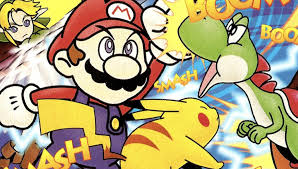
The project, which we will call the “Smash‑style AI port” to avoid legal tangles, is a fan‑made PC rework of a well‑known crossover platform fighting game franchise. The creator framed it as a solo effort accelerated by AI tools, using generative models for character spritework, UI layouts, and even some of the game’s visual effects. Trailers show familiar arenas, analogous movesets, and a roster of fighters that echo the original cast, only rendered with a slightly different line style and new color palettes.
From the outside, the pitch is simple: bring a beloved console experience to PC with smoother performance, extra accessibility options, and modernized graphics, all built “by one person, with the help of AI.” The problem, as the community quickly pointed out, lies less in the idea of modding, and more in how the AI‑assisted workflow was presented—as if it erased the decades of design, animation, and artistic labor baked into the original game.
Why Developers and Artists Are Up in Arms
For many independent game artists and small‑studio developers, the backlash is deeply personal. Many of the original assets, animations, and visual signatures in the source game were the product of designers who spent years in cramped offices, sketching frames, revising poses, and polishing hitboxes. Licensing those elements for official ports or remasters typically involves clear contracts, royalties, and approval processes. The AI‑generated port, by contrast, sidesteps those channels altogether, instead training models on screenshots, gameplay footage, and leaked assets to reproduce the look and feel of the franchise.
One freelance character artist, who asked to remain anonymous, described the feeling as “watching someone take a family photo album, scan it, and paste it inside a new picture frame, then sell it as their own.” The concern is not just whether the port infringes copyright law, but whether the “AI‑made” label is used to mask the fact that the work still leans heavily on human creativity that was never consulted or compensated.
Copied Aesthetics and the Erosion of Originality
Visually, the new port is uncannily familiar. The menus, HUD, and stage designs echo the original game’s color schemes and layout choices so closely that even non‑hardcore fans can spot the connections. The so‑called “AI‑generated” art functions less like an original style and more like a high‑fidelity remix of an established universe, stitched together by models that learned patterns from existing content rather than inventing a new visual language from scratch.
Some designers argue that the project functions as a kind of digital plagiarism, even if the code and some assets are technically new. The AI did not “invent” the characters’ shapes, iconic symbols, or signature moves; it adapted them, rephrased them, and reprojected them under a new creative banner. As the creative industries reckon with AI‑assisted workflows, this case has become a flashpoint for a larger question: when does “inspired by” slide into “built on without permission”?
Copyright and Legal Gray Zones in AI Port Projects
Legally, the situation is complicated. The original game’s publisher holds copyright over characters, storylines, and specific visual motifs, while the code for an AI‑generated port may sit in a murkier area, especially if it runs on a different engine, different builds, or non‑official assets. Fan ports and ROM hacks have long lived in this gray zone, tolerated or quietly shut down depending on a company’s stance and how aggressively the project distributes.
What makes the Smash‑style port particularly contentious is how it is marketed. The “100% AI‑generated” tag gives the impression of technological novelty and originality, when in reality the AI tools relied on datasets scraped from the internet, including stills and clips from the official game. That dynamic raises questions about training‑data provenance, the right of artists to control derivatives of their work, and the responsibility of AI developers to document and respect intellectual property when building models around entertainment franchises.
Community Reactions: From Nostalgia to Outrage
Among fans, the reaction is split but increasingly negative. Some long‑time players admit the port feels fun to play, especially the upgraded framerates and smoother controls, and they welcome any extra chances to revisit the characters and stages they love. Others see the project as a betrayal of the spirit that built the original game, where modding communities have historically emphasized collaboration, transparency, and respect for IP.
On platforms like Reddit and dedicated forum boards, threads filled with screenshots compare the AI‑rendered fighters side by side with the originals, highlighting how closely the new version adheres to the old designs. The more talented the AI at mimicking the source material, the louder the criticism becomes, as commenters ask why the creator did not invest the same energy into building a truly original IP instead of repackaging someone else’s universe.
AI as a Tool, Not a Replacement for Human Creativity
What this backlash underscores is a growing consensus among creatives: AI works best as a collaborator, not as a black‑box substitute for human design. Many illustrators, animators, and game developers now use AI tools for roughing out concepts, generating color palettes, or testing layout ideas, but they explicitly treat the output as a starting point rather than a finished product. The goal is to amplify their voice, refine their vision, and speed up execution, not to erase their fingerprints.
By contrast, packaging the Smash‑style port as “100% AI‑generated” runs counter to that ethos. It erases the labor of the original teams, it downplays the creative choices of the port’s own developer, and it invites the public to underestimate the human work required to frame, refine, and direct AI‑assisted content. The title implies a kind of technological spectacle that distracts from the ethical questions at the heart of the project.
Lessons for Modders, Developers, and Players
For modding communities, this episode offers a sobering lesson in how AI tools can amplify both creativity and risk. Fans who love a franchise may feel tempted to “modernize” it with AI‑enhanced graphics or new ports, but those projects should be approached with transparency, modesty, and respect for the underlying IP. Clear labeling, non‑commercial distribution, and open acknowledgment of original artists can help build trust rather than triggering legal or ethical backlash.
For players, it invites a more reflective kind of fandom. Instead of asking only whether a port feels good to play, we can also ask who stands behind the pixels and who benefits from the attention it receives. Supporting officially licensed remasters, open‑source fan projects that honor original creators, and independent studios that build their own universes helps sustain the kind of imaginative ecosystems that make games like the Smash‑style brawler possible in the first place.
Where the Industry Goes From Here
Within the broader creative industries, the Smash‑style AI port joins a growing list of examples that are pushing regulators, platforms, and studios to define clearer standards around AI training data, derivative works, and attribution. Academic research and policy groups have already begun mapping how generative AI reshapes work in design, animation, and gaming, stressing the need for robust consent frameworks, better data labeling, and more visible credit for human contributors (see LSE research on AI in creative industries).
At the moment, the AI‑generated port remains a contentious but influential experiment. It shows how powerful AI tools have become at reworking existing worlds, but it also reveals how fragile public trust is when those tools are used without clear boundaries or respect for the people whose work they imitate. As the industry grapples with these questions, the response to projects like this one will shape the balance between technological possibility and creative integrity for years to come.