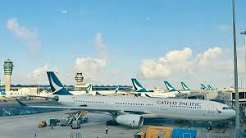
International travelers are facing a new round of pressure on airfares as escalating conflict in the Middle East pushes oil and jet fuel markets higher. Airlines are warning that elevated fuel costs could translate into higher ticket prices and additional fuel surcharges, putting more strain on passengers planning international trips through the remainder of 2026. The pressure is arriving at an especially difficult time for travelers, who are already dealing with changing flight schedules, longer routes and uncertainty across major aviation hubs.
Why International Airfares Are Rising Again
Fuel is one of the largest variable expenses for an airline, so sharp changes in energy prices can quickly affect the economics of operating a flight. The latest increase is being driven by disruptions to oil supplies and transportation routes connected to the Middle East conflict. On September 14, Brent crude settled at $105.68 a barrel after renewed attacks on energy infrastructure and growing concerns about the security of regional supply routes. :contentReference[oaicite:0]{index=0}
The situation has become more serious because the disruption is not limited to crude oil production. The Strait of Hormuz remains a major concern for energy markets, while attacks affecting Saudi infrastructure have raised fears about how much oil can move through alternative routes. The International Energy Agency has warned that global oil supply in 2026 could fall by 5.7 million barrels per day, a significantly larger decline than previously forecast. :contentReference[oaicite:1]{index=1}
For airlines, higher crude prices eventually feed into the cost of producing jet fuel. Carriers cannot always absorb that increase indefinitely. When fuel remains expensive, airlines have several choices: increase base fares, introduce or raise fuel surcharges, reduce capacity, adjust routes or accept lower profit margins.
Fuel Surcharges Are Already Appearing in International Tickets
The effect is already visible in international aviation markets. Japan Airlines announced revised international fuel surcharge arrangements for tickets issued between September 1 and October 31, 2026. The carrier bases its surcharge calculations on the average price of Singapore kerosene type jet fuel, showing how closely passenger pricing is tied to international fuel markets. :contentReference[oaicite:2]{index=2}
South Korea has also seen a substantial increase in international airfare fuel surcharges. The surcharge level for September rose to Level 21, seven levels above the previous month, following a renewed increase in oil prices connected to Middle East tensions. :contentReference[oaicite:3]{index=3}
These changes do not mean every airline will immediately increase every ticket by the same amount. Airline pricing depends on the route, booking class, competition, fuel hedging arrangements, demand and the timing of the purchase. A passenger flying between highly competitive international hubs may see a different price movement from someone traveling on a route with limited competition.
Middle East Disruption Is Affecting Airlines Beyond Fuel Prices
Fuel is only one part of the problem. Airlines operating around the Middle East have also faced operational disruption, including temporary flight suspensions, altered routes and changes in capacity. Longer flight paths can consume additional fuel, adding another expense at precisely the moment when fuel prices are already elevated.
Some airlines have managed to reduce the immediate impact through fuel hedging. Emirates, for example, said on September 15 that about half of its fuel needs were protected through hedging arrangements and that it was working to limit the effect of higher fuel costs on passengers. :contentReference[oaicite:4]{index=4}
That protection, however, varies considerably between airlines. A carrier with substantial fuel hedges may be able to keep fares relatively stable for longer, while another carrier that buys more fuel at current market prices may face pressure much sooner. This is one reason travelers should not assume that every airline serving the same destination will respond identically.
Travelers Could See Higher Costs During the Winter Booking Season
The timing matters. Airlines are entering an important period for winter travel bookings, and many passengers are already looking ahead to holidays, family visits and international vacations. If fuel remains expensive, carriers may attempt to recover part of the additional operating cost through ticket pricing.
Travel demand itself could influence how aggressively airlines raise fares. Emirates reported that travel demand recovered strongly during the summer, operating at about 93 percent of its pre disruption capacity in July and August and carrying more than 8.6 million passengers during those two months. The airline also reported stronger winter bookings on several international markets. :contentReference[oaicite:5]{index=5}
Strong demand gives airlines greater room to protect revenue. At the same time, passengers may become more price sensitive if airfare increases coincide with higher hotel, transportation and food costs. The result could be a difficult balancing act for carriers: recover higher fuel expenses without discouraging travelers from booking.
Why Some Airlines May Raise Prices More Than Others
There is no single global airfare increase because airlines manage fuel risk differently. Some carriers purchase fuel months in advance through hedging contracts, while others remain more exposed to spot market movements.
Fuel Hedging Can Delay the Impact
Fuel hedging allows an airline to lock in prices for part of its expected fuel requirements. When market prices suddenly rise, that can provide valuable protection. However, hedging does not eliminate the problem completely. The protection eventually expires, and airlines must continue purchasing fuel for future operations.
Route Competition Also Matters
Competition can prevent airlines from passing every additional expense directly to passengers. On routes served by several major carriers, a sharp fare increase could push customers toward competitors. On less competitive routes, airlines may have greater pricing flexibility.
Longer Routes Can Add More Pressure
Changes to flight paths can also increase fuel consumption. If aircraft must avoid certain airspace, the additional flying time can increase operating costs. During a period of expensive jet fuel, even relatively small increases in fuel consumption can become financially meaningful across thousands of flights.
What Higher Jet Fuel Prices Could Mean for Passengers
For travelers, the most visible effect is likely to be a higher total ticket price. The increase may appear directly in the fare or through a separate fuel surcharge depending on the airline and market.
Passengers should therefore look beyond the headline fare when comparing international flights. A ticket that initially appears cheaper may carry additional taxes, fees or fuel related charges. The final amount payable at checkout is the figure that matters.
- Compare the complete fare rather than only the advertised base price.
- Check whether the airline applies a separate fuel surcharge.
- Compare nearby departure dates because prices can change substantially by day.
- Consider alternative airports when they offer meaningful savings after transportation costs.
- Review baggage and seat fees before choosing a seemingly cheaper fare.
Should Travelers Book International Flights Earlier?
There is no guarantee that buying immediately will produce the lowest possible fare, but travelers with fixed plans may have a stronger reason to monitor prices closely while fuel markets remain volatile. Waiting for a major decline in jet fuel prices is also uncertain because geopolitical developments can move energy markets in either direction within a short period.
Travelers who have non flexible dates should pay particular attention to cancellation and change conditions. A slightly more expensive ticket with reasonable flexibility can sometimes provide greater value than the lowest restricted fare, particularly when international travel conditions remain unpredictable.
Passengers can also monitor broader energy developments through the International Energy Agency, which publishes analysis of global oil markets and supply conditions. For aviation specific developments, industry data from the International Air Transport Association can provide useful context about airline operating conditions and fuel related pressures.
Airlines Are Facing a Difficult Cost Equation
The current situation is not simply a matter of airlines choosing to charge passengers more. Carriers are operating within a complicated cost structure in which fuel, aircraft availability, airport charges, labor, maintenance and route disruption all affect profitability.
The financial pressure is already visible among some airlines. Aegean Airlines reported a first half loss in 2026, with higher fuel costs and Middle East related disruption contributing to the deterioration in its financial performance despite stronger revenue and passenger traffic. :contentReference[oaicite:6]{index=6}
European airlines have also warned about the consequences of prolonged high fuel prices. Ryanair Chief Executive Michael O’Leary previously warned that some European carriers could face severe financial difficulties if jet fuel prices remain elevated, although Ryanair has been relatively protected by extensive fuel hedging. :contentReference[oaicite:7]{index=7}
Could Airfares Fall Again?
Yes, but the timing depends heavily on energy markets and the geopolitical situation. If oil production, refining and transportation return to more normal conditions, jet fuel prices could decline and eventually reduce pressure on airline pricing. Some airlines have already reduced fuel surcharges during periods when jet fuel prices eased, demonstrating that passenger charges can move in both directions. :contentReference[oaicite:8]{index=8}
The opposite is also possible. If disruptions continue or additional energy infrastructure is affected, airlines could face another increase in fuel costs. Reuters reported on September 15 that Brent crude climbed to $108.49 a barrel as concerns over Saudi and Libyan supply disruptions intensified. :contentReference[oaicite:9]{index=9}
What Travelers Should Watch in the Coming Weeks
We expect the international airfare picture to remain closely connected to developments in the Middle East and global oil markets. Travelers should watch fuel surcharge announcements, airline capacity changes and the final prices offered for their specific routes rather than relying on a single global airfare trend.
The most important question is whether higher fuel prices prove temporary or become a prolonged operating cost for airlines. If the pressure lasts only briefly, carriers with strong hedging programs may absorb much of the increase. If prices remain elevated for months, more airlines may have little choice but to pass a greater share of the cost to passengers.
For travelers, that means planning has become more valuable. Comparing airlines, checking the total fare, watching prices before booking and maintaining flexibility where possible can help reduce the financial impact. The skies remain open for most international travelers, but the cost of reaching them is increasingly being shaped by events far beyond the airport terminal.