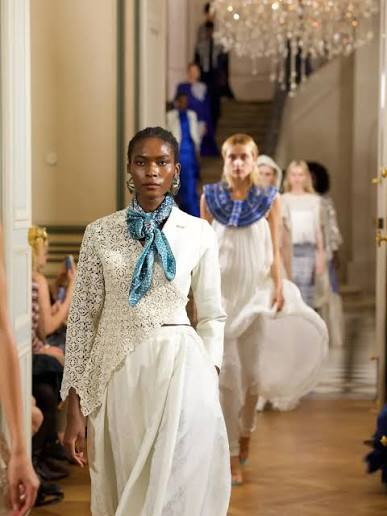
South Asian embroidery, intricate craftsmanship, and generations of textile tradition are gaining renewed attention on the international fashion stage. The October 8, 2026, fashion news surrounding Zainab Chottani and Paris Fashion Week reflects a broader conversation about cultural identity in luxury design, where traditional artistry increasingly intersects with contemporary silhouettes and global style. Although specific runway details and an official appearance by Chottani require confirmation, the reported theme captures an important shift in fashion: heritage techniques are being recognized not simply as historical references, but as living forms of creative expression.
South Asian Craftsmanship Finds a Wider Fashion Audience
South Asian fashion has long been distinguished by its elaborate embroidery, detailed embellishment, rich textiles, and skilled handwork. Techniques such as zardozi, dabka, gota work, and intricate thread embroidery carry histories that extend across regions, communities, and generations. These methods can turn a length of fabric into a work of art, with each stitch contributing to a visual language shaped by patience, skill, and cultural memory.
For international audiences accustomed to minimalist tailoring and seasonal runway trends, these details offer a different understanding of luxury. The value lies not only in the finished garment, but also in the labor, knowledge, and artistic decisions behind it. A densely embroidered bodice or a carefully embellished dupatta can represent hours of specialized work, often drawing on techniques learned through years of practice.
Paris Fashion Week provides a significant setting for conversations about this kind of craftsmanship. As one of the major events on the international fashion calendar, it brings designers, buyers, editors, stylists, and cultural observers into a shared space. When heritage inspired design enters this environment, it can encourage audiences to look beyond familiar fashion capitals and recognize the depth of creative traditions developed elsewhere.
Why Zainab Chottani Is Relevant to the Conversation
Zainab Chottani is associated with Pakistani formalwear and bridal fashion, a segment of the industry known for intricate surface detailing, elaborate silhouettes, and richly developed textile aesthetics. Her design identity connects with a wider Pakistani fashion tradition in which craftsmanship plays a central role in creating garments for weddings, celebrations, and other important occasions.
That tradition offers a useful perspective on the relationship between cultural heritage and contemporary luxury. South Asian formalwear frequently combines detailed handwork with carefully structured shapes, layered fabrics, and embellishments that create depth as the wearer moves. The result can be visually dramatic while remaining closely connected to local customs and personal histories.
For designers working within this tradition, international recognition presents both an opportunity and a responsibility. A wider audience can create new demand for specialized skills and help bring attention to the artisans who contribute to finished pieces. At the same time, cultural references deserve context and accurate attribution. Heritage is more than a decorative theme, and the communities that sustain traditional techniques should remain part of the story.
Paris Fashion Week and the Changing Meaning of Luxury
Luxury fashion has historically placed considerable value on exclusivity, exceptional materials, precise construction, and the reputation of a designer or fashion house. Increasingly, consumers and industry observers are also paying attention to the origin of a garment, the methods used to produce it, and the cultural meaning attached to its design.
This interest creates room for techniques that may be labor intensive but difficult to reproduce through mass production. Hand embroidery, intricate beadwork, and specialized textile processes can give a garment a distinct identity. Their appeal comes partly from the visible evidence of human skill, something that cannot always be replicated by faster manufacturing methods.
Traditional South Asian techniques also challenge the assumption that innovation must mean abandoning the past. A designer can reinterpret a familiar embroidery method through an unexpected color palette, a more restrained silhouette, or a modern approach to proportion. Such choices allow cultural knowledge to remain relevant without requiring every garment to resemble historical dress.
Traditional Techniques Meet Contemporary Silhouettes
The most compelling heritage inspired fashion often depends on balance. Heavy embellishment may be paired with a clean cut, while an ornate textile can become the focal point of a relatively simple outfit. Contemporary tailoring can also change how traditional materials are used, allowing familiar techniques to appear in eveningwear, jackets, coordinated separates, and accessories.
Color plays an equally important role. Jewel tones, metallic thread, ivory, deep red, and soft pastels have all appeared across South Asian formalwear traditions, although preferences vary by region, occasion, and designer. Modern interpretations may preserve these visual associations or deliberately move away from them. The objective is not to reduce an entire culture to a single palette, but to explore the range of possibilities within its design vocabulary.
When these elements are handled thoughtfully, traditional craftsmanship can function as a starting point for new design rather than a costume like reference to the past. That distinction matters on international runways, where audiences may encounter a technique without knowing its name, history, or original context.
The Artisans Behind the Embroidery Deserve Recognition
Behind every intricately embroidered garment is a network of people whose expertise may be less visible than the designer’s name on a label. Embroiderers, pattern makers, cutters, tailors, dyers, and textile specialists contribute different skills to the production process. Their work can determine how a garment falls, how embellishment catches the light, and whether a complex design remains comfortable and durable when worn.
International attention can help create opportunities for these artisans, but visibility alone does not guarantee fair outcomes. The commercial benefits of luxury fashion should extend beyond the runway to the people whose labor makes detailed craftsmanship possible. Fair compensation, safe working conditions, transparent sourcing, and opportunities to pass specialized knowledge to younger workers all contribute to a healthier fashion ecosystem.
There is also a cultural preservation dimension. The documents traditions and forms of knowledge that communities continue to practice and transmit. Textile craftsmanship illustrates why cultural heritage should be understood as a living process. Techniques survive when people can continue using them, adapting them, and earning a livelihood through their expertise.
Representation Matters Beyond the Runway
Fashion weeks influence more than clothing trends. They help determine which designers receive press attention, which aesthetics attract buyers, and which cultural references become familiar to international audiences. Greater visibility for South Asian design can challenge narrow assumptions about where luxury originates and what sophisticated craftsmanship looks like.
Representation, however, requires more than placing traditional motifs on an international runway. Meaningful engagement involves recognizing the origins of techniques, respecting the communities associated with them, and avoiding the suggestion that a long established art form becomes valuable only after receiving approval from a major fashion capital.
Designers from South Asia have developed distinctive creative identities within their own markets for decades. Their work serves customers whose preferences are shaped by family celebrations, regional traditions, personal taste, and changing social expectations. International exposure can expand that audience, but it should not erase the local communities that helped establish the work’s cultural and commercial significance.
What This Trend Means for Fashion Consumers
For shoppers, growing interest in heritage craftsmanship creates an opportunity to look more closely at how clothing is made. An embroidered outfit may be beautiful at first glance, but understanding its construction can reveal why two garments with similar appearances differ substantially in quality, price, and longevity.
Consumers interested in traditional South Asian fashion can consider several practical questions before making a purchase:
Ask whether the embroidery is completed by hand, by machine, or through a combination of methods.
Look for information about the fabric, embellishment, care requirements, and expected durability.
Consider whether the garment can be altered, repaired, or worn for multiple occasions rather than purchased for a single event.
Seek out designers and businesses that communicate clearly about craftsmanship and the people involved in production.
These questions are especially relevant for occasion wear, where detailed embellishment and delicate materials may require specialized cleaning and storage. A garment made with careful construction can remain useful for years when handled properly. Its value may extend beyond seasonal trends to personal memories, family traditions, and the possibility of passing it on.
Balancing Cultural Authenticity With Creative Freedom
Fashion depends on exchange. Designers have always studied art, architecture, historical dress, and textile traditions from different places. Cross cultural inspiration can produce original work when it is approached with curiosity, knowledge, and respect. Problems arise when cultural elements are copied without acknowledgment or presented as discoveries by people who have no meaningful connection to their history.
South Asian embroidery is not one uniform tradition. Pakistan, India, Bangladesh, Sri Lanka, Nepal, and other parts of the region have distinct textile histories, with variations among provinces, communities, and local practices. Even techniques that share names or visual characteristics may differ in materials, construction, and cultural significance.
Responsible design recognizes these differences rather than grouping them into a vague category of exotic decoration. Clear attribution, collaboration with skilled artisans, and accurate descriptions help audiences appreciate both the shared influences and the individual traditions that shape a garment.
Creative freedom remains essential. Designers should be able to reinterpret techniques and develop new forms, but innovation becomes more meaningful when it is informed by the people and histories behind the source material. This approach allows heritage to evolve without treating it as an anonymous resource available for commercial use.
The Business Opportunities and Challenges of Heritage Fashion
International interest in artisanal fashion can open commercial opportunities for independent designers and specialist workshops. Luxury buyers may seek distinctive pieces that stand apart from standardized collections, while consumers may be willing to invest in garments with a clear design story and visible evidence of skilled work.
Yet producing intricate garments at scale can be difficult. Handwork takes time, specialist skills are not always easy to replace, and demand may fluctuate between seasons. Brands must balance production schedules and commercial expectations with the time required to complete detailed embroidery. Poor planning can place pressure on workers or encourage shortcuts that undermine quality.
Supply chain transparency is another challenge. A finished garment may pass through several workshops before reaching a retailer, making it difficult for consumers to identify who completed each stage. Better documentation and stronger working relationships can help businesses understand their production processes and communicate more accurately about the craftsmanship they sell.
For emerging designers, international visibility is most valuable when it leads to lasting relationships with buyers, media, retailers, and customers. A runway appearance can attract attention, but sustainable business growth depends on reliable production, thoughtful pricing, consistent quality, and a clear creative identity.
What to Watch After Paris Fashion Week
The longer term significance of heritage inspired fashion will depend on what happens after the shows conclude. Industry observers can look for whether traditional techniques appear in commercial collections, whether artisan partnerships receive meaningful recognition, and whether international buyers establish ongoing relationships with South Asian designers and workshops.
Media coverage is another useful measure. Reporting that explains the origins of a textile technique and identifies the people who sustain it provides greater value than coverage focused exclusively on colors, celebrity appearances, or dramatic runway images. That context helps readers understand fashion as both an artistic practice and an industry built around skilled labor.
It is also worth watching how designers adapt traditional craftsmanship for different customers. Some may preserve elaborate formalwear, while others may introduce embroidery into more accessible everyday pieces. Both approaches can contribute to the continued use of heritage techniques, provided the work respects the source tradition and supports the people who carry it forward.
Conclusion: South Asian Heritage Belongs in the Future of Luxury Fashion
The reported focus on Zainab Chottani and South Asian heritage at Paris Fashion Week reflects a wider discussion about craftsmanship, cultural representation, and the changing definition of luxury. Traditional embroidery offers more than visual richness. It carries technical knowledge, personal histories, regional identity, and the labor of artisans who have helped sustain these traditions across generations.
Specific details of Chottani’s reported October 8, 2026, appearance should be confirmed through official event or designer announcements before being treated as established fact. Even so, the broader fashion trend deserves attention. International interest in heritage techniques creates an opportunity to recognize design traditions that have long held artistic and cultural significance, including within their own communities.
The strongest future for this movement will depend on more than runway visibility. It will require fair recognition for artisans, responsible cultural storytelling, durable production practices, and commercial opportunities that allow traditional skills to thrive. When designers bring heritage into contemporary fashion with knowledge and care, the result can connect generations while creating room for new ideas.
South Asian craftsmanship does not need to abandon its history to belong on the global stage. Its lasting strength lies in the ability to carry that history forward, stitch by stitch, while continuing to evolve.